

Joint Preservation With Orthobiologics and Chiropractic Benefits

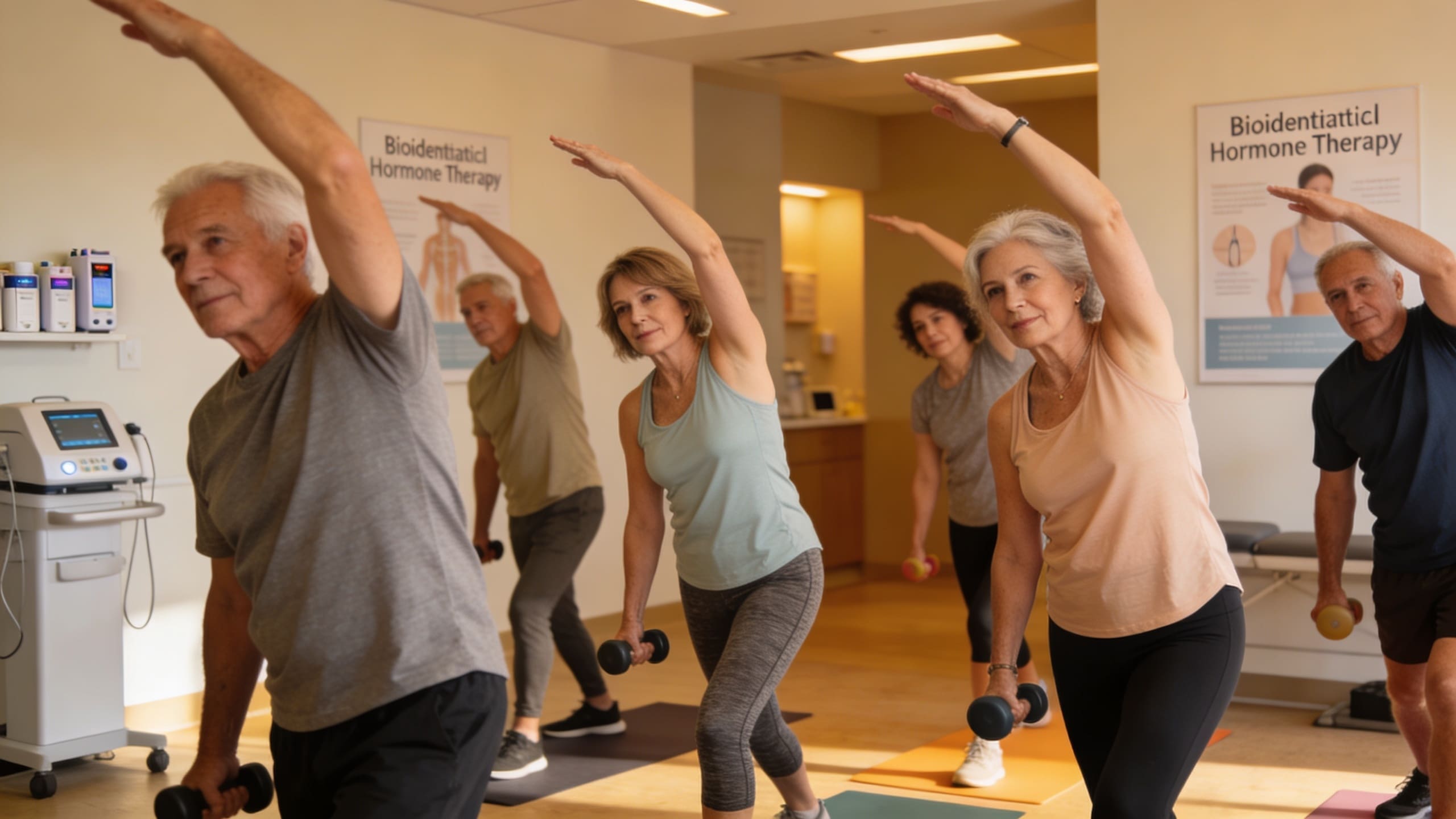
Table of Contents
Joint Preservation With Orthobiologics and Chiropractic: Practical Insights, Physiology, and Evidence-Based Protocols
Abstract
In this educational post, I present a clear, step-by-step exploration of modern orthobiologics for joint care, including platelet-rich plasma (PRP), micro-needle patch applications, adipose-derived interventions, and subchondral bone targeting. I explain why neutrophil content in PRP matters, how point-of-care preparation can be optimized, and when specific biologic strategies fit into patient care. I also show how integrative chiropractic care, functional medicine, rehabilitation, and personal injury services are coordinated in our multidisciplinary model at Injury Medical Clinic PA (Mission Plaza Injury Medical Clinic) in El Paso, Texas, under the medical direction of Dr. Maria Guadalupe Cardenas, MD, a board-certified internist with more than 40 years of experience (NPI #1164426749; Texas MD License #J2933). This post synthesizes my clinical observations and the latest peer-reviewed findings to guide clinicians and patients toward safer, smarter choices in joint preservation.

Introduction: Who We Are and How We Work Together
I am Dr. Alexander Jimenez, DC, APRN, FNP-BC, CFMP, IFMCP, ATN, CCST. In our clinic, Injury Medical Clinic PA (Mission Plaza Injury Medical Clinic) in El Paso, Texas, we have built a multidisciplinary service line that integrates:
- Chiropractic care and biomechanical rehabilitation
- Medical oversight and internal medicine decision-making
- Functional medicine assessments
- Personal injury evaluation and case management
- Orthobiologic interventions and conservative joint-preservation strategies
Our Medical Director and Collaborative Physician is Dr. Maria Guadalupe Cardenas, MD (Board Certified in Internal Medicine), NPI #1164426749, Texas MD License #J2933. With more than 40 years of experience as an internist, Dr. Cardenas provides day-to-day medical direction, risk stratification, and clinical governance across our service lines. This MD-chiropractic collaboration is common in integrative and injury care, aligning medical safety protocols, pharmacologic considerations, and interventional decisions with conservative, biomechanical, and rehabilitative treatments. Together, we aim to reduce pain, improve function, preserve joints, and minimize unnecessary surgeries through a patient-centered, evidence-based approach.
Orthobiologics Essentials: Getting PRP Right
Key message: Be precise with PRP composition. The biologic behaves according to its cellular makeup.
What I explain to patients and clinicians:
- Not all PRP is the same. Leukocyte composition—particularly the relative proportion of neutrophils versus mononuclear cells (lymphocytes and monocytes)—significantly affects tissue response.
- Systems differ across regions and manufacturers. European protocols often rely on phlebotomy and manual processes, while many US systems use proprietary machines and kits that yield differing leukocyte profiles.
- Some commercial kits marketed as “leukocyte-reduced” PRP still produce high lymphocyte content while keeping neutrophil counts lower, but the overall white blood cell count can be similar to or higher than that of whole blood. Misreading this leads to incorrect assumptions about inflammatory impact.
Why neutrophils matter physiologically:
- Neutrophils are rapid responders. They release reactive oxygen species, proteases (e.g., elastase), and pro-inflammatory cytokines (e.g., IL-8), which can intensify synovial inflammation when injected into a joint (Turner et al., 2017; Everts et al., 2021).
- Mononuclear cells (particularly monocytes) support downstream regenerative signaling and can give rise to macrophage phenotypes. A balanced leukocyte profile can foster a more controlled healing environment (DeLong et al., 2012; Kon et al., 2018).
Clinical takeaway:
- For intra-articular injections, I avoid neutrophil-rich PRP. In my experience, injecting neutrophil-heavy PRP into a synovial joint increases the risk of post-injection synovitis, effusion, and unhappy patients. When our team prepares PRP, we aim for platelet-rich, neutrophil-poor formulations while being transparent about the full leukocyte profile.
Optimizing Point-of-Care PRP Preparation
We teach our staff and collaborating clinicians to:
- Know the kit. Different centrifugation protocols and separators change leukocyte distribution. Document pre- and post-spin CBC with differential when feasible to verify the actual cellular composition.
- Control spins. Spin speed, time, and second spins can enrich platelets and shift leukocytes. Kit design dictates how “clean” the mononuclear fraction is.
- Ask for data. Use peer-reviewed literature on the system and, where appropriate, independent verification, rather than relying solely on manufacturers’ white papers (DeLong et al., 2012; Everts et al., 2021).
What we measure and why:
- Platelet concentration: The therapeutic window is typically 2–6x baseline for musculoskeletal applications; supra-physiologic platelet counts may paradoxically dampen growth factor balance (Kon et al., 2018).
- Leukocyte differential: Prioritize neutrophil-poor intra-articular PRP to avoid flare-ups; consider leukocyte-rich PRP for tendon or ligament indications where controlled inflammation can be beneficial (Filardo et al., 2012).
- Volume: For large joints like the knee, typical draw volumes range from 60 cc to 120 cc or more, allowing adequate platelet yield without compromising cell balance.
Integrative Chiropractic Care: Biomechanics Guide Biology
Orthobiologics work best when the joint mechanics are addressed. My chiropractic role is to restore alignment, load distribution, and neuromuscular control so biologics can function in a calmer, mechanically favorable environment.
What I observe clinically:
- In patients with altered knee mechanics—varus alignment, weak quadriceps, hip abductor deficits—orthobiologics alone are less effective. Persistent malalignment maintains compressive stress, driving bone marrow lesions and subchondral microdamage.
- Integrative care that pairs joint mobilization, soft-tissue work, neuromuscular re-education, and progressive loading with PRP yields better outcomes. As I often share on our channels, biomechanics and biology must be synchronized for sustained improvement (WellnessDoctorRX; LinkedIn).
What we do:
- Manual therapy: Improve patellofemoral glide, tibial rotation, and capsular mobility to normalize arthrokinematics.
- Stability training: Target quadriceps and hip abductors for frontal-plane control; build eccentric strength to protect joint surfaces.
- Motor control: Retrain gait and stance to reduce dynamic valgus/varus collapse.
- Bracing and offloading: When indicated, unloader braces reduce compartment stress and support biologic integration (Berman et al., 2021).
Medical Oversight: Safety, Selection, and Systems
Dr. Cardenas oversees:
- Risk stratification: Comorbidities (e.g., diabetes, anticoagulation status), systemic inflammation, and infection risk.
- Medication review: NSAID timing around PRP to avoid interfering with platelet activation; anticoagulation protocols for procedural safety.
- Diagnostic governance: Imaging pathways, lab verification (CBC, metabolic panels), and post-procedure monitoring.
Her extensive experience in internal medicine ensures that our orthobiologic and chiropractic pathways align with whole-patient health, allowing us to deliver conservative and interventional care with confidence.
PRP Nomenclature and Patient Outcomes: Clarity Saves Time and Pain
Be cautious with terms like “leukocyte-rich” or “leukocyte-poor.” The critical question is not only the total WBC count but also the neutrophil fraction. When clinicians select a kit, they should ask:
- What is the percent of neutrophils post-spin?
- What is the mononuclear cell concentration?
- How reproducible is the output across operators and spins?
Why this matters:
- Synovial joints are sensitive ecosystems. Excess neutrophils can elevate IL-1β and TNF-α, degrade cartilage matrix, and increase pain flares. A smarter choice is platelet-rich, neutrophil-poor intra-articular PRP with adequate platelets and mononuclear support (Kon et al., 2018; Everts et al., 2021).
Adipose-Derived Interventions: Practical Pearls and Physiology
Our clinic uses adipose-derived approaches selectively, prioritizing safety, regulatory compliance, and patient goals. When harvesting adipose for stromal vascular fraction-like applications under appropriate frameworks, comfort and preparation are decisive.
Procedure flow that improves patient experience:
- Tumescent technique matters. Injecting tumescent saline with local anesthetic and allowing sufficient dwell time—at least 20 to 30 minutes—makes harvesting smoother and less traumatic.
- Scheduling logistics: Place the tumescent solution, see other patients, then return to harvest. Rushing increases discomfort and reduces yield quality.
Physiology and rationale:
- Adipose tissue contains mesenchymal cell populations, pericytes, and supportive matrix factors that can modulate inflammation and promote tissue homeostasis. Tumescence expands the interstitial space, reduces bleeding, and enhances safety by minimizing mechanical shear and patient discomfort (Cole et al., 2020).
- Awake procedures: Data from plastic surgery registries suggest awake liposuction is often safer than under general anesthesia due to reduced anesthetic risk and improved patient feedback during the procedure (Haeck et al., 2011). In our practice, most adipose harvests for biologic purposes are done in comfortable, clinic-based procedure rooms.
Micro-Needle Patch Applications: Where They Fit
A micro-needle patch can be considered a second-line biologic strategy for patients with knee osteoarthritis who:
- Have persistent effusions after exhausting conservative options
- Want biologic adjuncts after surgery
- Prefer to avoid joint replacement and have not responded to first-line orthobiologics
Clinical perspective:
- I have been pleasantly surprised. Some patients who did not respond to standard PRP or viscosupplementation show improvement with micro-needle delivery, likely due to enhanced intra-synovial penetration and localized paracrine signaling. It is not a universal solution, but it is a reasonable step after first-line therapies fail.
Subchondral Bone Targeting: Decompression, Biology, and Expectations
Subchondral interventions—needling, bone marrow cell injection, or calcium phosphate augmentation—target bone marrow lesions and subchondral insufficiency fractures.
What physiology tells us:
- Elevated intraosseous pressure in marrow lesions correlates with pain and edema. Needle decompression can reduce pressure and pain, independent of what is injected thereafter (Baum et al., 2012).
- Adding biologics (e.g., bone marrow concentrate) or calcium phosphate may stabilize microfractures and modulate local remodeling. However, across studies, a roughly 20 percent failure rate persists, suggesting both mechanical and biologic contributions to outcomes (Kon et al., 2018; Lee et al., 2019).
How we frame expectations:
- 80 percent of patients may experience meaningful benefit; 20 percent will need a different strategy. Success improves when we address the environment:
- Weight reduction to decrease axial load
- Offloading braces to reduce compartment stress
- Osteotomy when malalignment is the primary driver
- Neuromuscular strengthening to correct movement faults
These layered changes support healing of sick bone and reduce the recurrence of marrow lesions.
Functional Medicine Integration: Inflammation, Metabolism, and Recovery
Functional medicine connects systemic physiology with local joint biology:
- Glycemic control: Hyperglycemia increases the formation of advanced glycation end products, which stiffen cartilage and promote synovial inflammation. Better glucose management improves PRP outcomes and rehabilitation tolerance (Mobasheri et al., 2017).
- Micronutrients: Adequate vitamin D, omega-3 fatty acids, and magnesium support musculoskeletal health and anti-inflammatory balance.
- Gut-joint axis: Dysbiosis-driven LPS can amplify systemic inflammation affecting joints. We evaluate gut health when pain and inflammation are disproportionate.
Personal Injury Care: Coordinating Evidence-Based Pathways
In injury cases—whiplash, falls, and sports incidents—joint and soft-tissue trauma often co-exist:
- We begin with a thorough medical evaluation under Dr. Cardenas’ oversight, rule out red flags, and design a phased plan.
- Chiropractic mobilization restores segmental motion and reduces nociceptive input.
- Rehabilitation rebuilds strength and endurance, crucial for biologic integration.
- Orthobiologics are introduced as needed, often after stabilization, to support tissue recovery.
Patient Selection: Who Benefits from PRP and Related Orthobiologics
We consider PRP and second-line biologics for:
- Knee osteoarthritis with persistent effusion unresponsive to conservative care
- Post-operative patients seeking biologic support
- Individuals motivated to avoid joint replacement and willing to commit to biomechanical correction and weight management
We typically avoid intra-articular neutrophil-rich PRP due to the heightened risk of inflammatory flares. Instead, we target platelet-rich, neutrophil-poor formulations with adequate volume based on joint size and clinical goals.
Practical Steps for Clinicians Starting in Orthobiologics
- Be careful with nomenclature. Know your kit’s actual output. Verify with pre- and post-CBC differentials when possible.
- Understand leukocyte profiles. Neutrophil-poor for intra-articular use; leukocyte-rich may be reserved for extra-articular tendon applications, per evidence and patient tolerance.
- Standardize spin protocols and document volumes to create reproducible outcomes.
- Incorporate biomechanics. Pair biologics with chiropractic-led alignment and motor control strategies.
- Address systemic factors. Optimize metabolic health, nutrition, sleep, and stress.
Clinical Scenarios and Reasoning
Scenario: A patient with knee OA, effusion, varus alignment, and weak quadriceps
- First-line: Weight management, brace offloading, chiropractic alignment work, neuromuscular training.
- PRP: Platelet-rich, neutrophil-poor intra-articular injection. Rationale: Reduce synovial inflammation, leverage growth factors (PDGF, TGF-β, VEGF) to support cartilage matrix metabolism and synovial homeostasis without neutrophil-driven flare (Kon et al., 2018).
- If persistent, consider a micro-needle patch or a targeted subchondral approach if MRI shows marrow lesions. Rationale: Decompress pressure and modulate subchondral biology; brace and therapy continue to reduce compressive loads.
- Functional supports: Vitamin D optimization, omega-3 supplementation, and glucose control to reduce systemic cytokine load.
Scenario: Tendinopathy resistant to therapy
- Consider leukocyte-rich PRP in extra-articular settings where controlled inflammation can trigger remodeling.
- Chiropractic care focuses on kinetic chain corrections—hip, foot, lumbopelvic mechanics—to reduce aberrant tendon loading.
Discussion of European Versus US Preparation Approaches
European protocols often rely on manual phlebotomy processing, while many US clinics use kit-based centrifuges. The consequence is variability in leukocyte profiles. Regardless of geography, the winning strategy is empirical: measure, document, and refine. Future directions include routine pre- and post-analytics and potential personalized formulations based on synovial fluid and peripheral blood profiles.
Subchondral Outcomes Literature: A Balanced View
Reports of very high joint-preservation rates over long horizons (e.g., avoiding arthroplasty over 15 years) are compelling. Yet a consistent signal across the subchondral intervention literature indicates an approximate 20 percent failure rate, necessitating alternative strategies. This teaches us:
- Biology is necessary but insufficient without mechanical correction.
- Post-procedural care—weight management, brace use, and strength training—amplifies success.
- Decompression itself may account for some outcomes, independent of injectate choice; we still need head-to-head trials controlling for this effect (Baum et al., 2012; Lee et al., 2019).
Why Patients Sometimes Fail—and How We Adjust
- Ongoing mechanical compression from malalignment
- Insufficient quadriceps and hip strength
- Metabolic drivers of inflammation unaddressed
- Unrealistic expectations without layered behavioral changes
Adjustments include intensified rehabilitation, offloading strategies, and, in some cases, surgical correction for alignment.
Our Team Model: Continuous Quality Improvement
- Dr. Cardenas leads medical governance—protocol safety, comorbidity screening, and pharmacologic guidance.
- I lead chiropractic and biomechanical integration—manual care and neuromuscular design.
- Our rehabilitation team executes progressive loading and motor control programs.
- We conduct pre- and post-procedural analytics whenever possible—CBC differential for PRP, imaging for marrow lesions, and functional measures to verify improvements.
Clinical Observations and Patient Experience
From our practice:
- Careful control of neutrophils in PRP reduces inflammatory flares and patient dissatisfaction.
- Allowing adequate tumescent dwell time significantly improves the comfort and quality of adipose harvest.
- Pairing biologics with structured motor control yields more durable outcomes than biologics alone.
- Awake, clinic-based procedures enhance safety and patient comfort when appropriately selected.
Conclusion: Evidence-Based, Integrated Joint Care
Orthobiologics can meaningfully help patients with osteoarthritis and joint pain, but they are most effective in a multidisciplinary model that combines:
- Medical oversight by an experienced internist like Dr. Maria Guadalupe Cardenas
- Chiropractic biomechanics to normalize joint loading and motion
- Functional medicine to control systemic inflammation
- Rehabilitation to restore strength and movement
- Carefully prepared PRP and biologic strategies tailored to the joint and the patient
When clinicians align biology with biomechanics, patients experience better pain relief, function, and long-term joint preservation.
References
- Platelet-rich plasma in symptomatic knee osteoarthritis: evidence, composition, and clinical applications (Kon, E., et al., 2018). British Journal of Sports Medicine.
- Classification of platelet-rich plasma formulations: a consensus statement (DeLong, J. M., et al., 2012). Operative Techniques in Orthopaedics.
- A comprehensive review of PRP in musculoskeletal medicine: mechanisms and clinical outcomes (Everts, P. A., et al., 2021). Rehabilitation.
- Leukocyte-rich vs leukocyte-poor PRP: differential effects on inflammation and healing (Filardo, G., et al., 2012). American Journal of Sports Medicine.
- Subchondral bone marrow lesions and pain mechanisms in osteoarthritis (Baum, T., et al., 2012). Osteoarthritis and Cartilage.
- Calcium phosphate augmentation and subchondral interventions: outcomes and failure rates (Lee, Y. H., et al., 2019). American Journal of Sports Medicine.
- Safety of awake liposuction in accredited facilities: registry analyses (Haeck, P. C., et al., 2011). Plastic and Reconstructive Surgery.
- Metabolic factors in osteoarthritis: inflammation, insulin resistance, and cartilage biology (Mobasheri, A., et al., 2017). Nature Reviews Rheumatology.
- Unloader bracing in knee osteoarthritis: pain and function outcomes (Berman, A. T., et al., 2021). BMJ Open Sport & Exercise Medicine.
Post Disclaimer
General Disclaimer, Licenses and Board Certifications *
Professional Scope of Practice *
The information herein on "Joint Preservation With Orthobiologics and Chiropractic Benefits" is not intended to replace a one-on-one relationship with a qualified health care professional or licensed physician and is not medical advice. We encourage you to make healthcare decisions based on your research and partnership with a qualified healthcare professional.
Blog Information & Scope Discussions
Welcome to El Paso's Premier Wellness and Injury Care Clinic & Wellness Blog, where Dr. Alex Jimenez, DC, FNP-C, a Multi-State board-certified Family Practice Nurse Practitioner (FNP-BC) and Chiropractor (DC), presents insights on how our multidisciplinary team is dedicated to holistic healing and personalized care. Our practice aligns with evidence-based treatment protocols inspired by integrative medicine principles, similar to those on this site and on our family practice-based chiromed.com site, focusing on naturally restoring health for patients of all ages.
Our areas of multidisciplinary practice include Wellness & Nutrition, Chronic Pain, Personal Injury, Auto Accident Care, Work Injuries, Back Injury, Low Back Pain, Neck Pain, Migraine Headaches, Sports Injuries, Severe Sciatica, Scoliosis, Complex Herniated Discs, Fibromyalgia, Chronic Pain, Complex Injuries, Stress Management, Functional Medicine Treatments, and in-scope care protocols.
Our information scope is multidisciplinary, focusing on musculoskeletal and physical medicine; wellness; contributing etiological viscerosomatic disturbances within clinical presentations; associated somato-visceral reflex clinical dynamics; subluxation complexes; sensitive health issues; and functional medicine articles, topics, and discussions.
We provide and present clinical collaboration with specialists from various disciplines. Each specialist follows their professional scope of practice and licensure jurisdiction. We use functional health & wellness protocols to treat and support care for musculoskeletal injuries or disorders.
Our videos, posts, topics, and insights address clinical matters and issues that directly or indirectly relate to our clinical scope of practice.
Our office has made a reasonable effort to provide supportive citations and has identified relevant research studies that support our posts. We provide copies of supporting research studies upon request to regulatory boards and the public.
For further discussion on how this information relates to specific care plans or treatment protocols, please ask Dr. Alex Jimenez, DC, APRN, FNP-BC, or contact us at 915-850-0900.
We are here to help you and your family.
Blessings
Dr. Alex Jimenez DC, MSACP, APRN, FNP-BC*, CCST, IFMCP, CFMP, ATN
Email: [email protected]
Multidisciplinary Licensing & Board Certifications:
Licensed as a Doctor of Chiropractic (DC) in Texas & New Mexico*
Chiropractic Licenses:
Texas DC License #: TX5807, Verified: TX5807
New Mexico DC License #: NM-DC2182, Verified: NM-DC2182
Nurse Practitioner Licenses:
Texas APRN License #: 1191402, Verified: 1191402 *
New Mexico CNP License #: 90560, Verified 90560
Florida APRN License #: 11043890, Verified: APRN11043890 *
Colorado License #: C-APN.0105610-C-NP, Verified: C-APN.0105610-C-NP
New York License #: N25929, Verified N25929
Georgia APRN License #: GAA-NP005701
Multi-State Advanced Practice Registered Nurse (APRN*) Texas & Multi-States
Multi-state Compact APRN License by Endorsement (43 States)
Compact Status: Multi-State License: Authorized to Practice in 43 States*
Nursing Licensure Compact: Updated Here
DEA Registration: (Drug Enforcement Agency Registered)
All medical (MDs) and family practice providers (FNP-APRN) are registered and licensed to offer various levels of medication.
Verify Providers Here
License Verification Link: Nursys License Verifier
* Prescriptive Authority Authorized (DEA Registered Providers). Call if Required
Board Certification:
ANCC FNP-BC: Board Certified Nurse Practitioner*
Education:
Graduate with Honors: ICHS: MSN-FNP (Family Nurse Practitioner Program)
Degree Granted. Master's in Family Practice, MSN Diploma (Cum Laude)
Dr. Alex Jimenez, DC, APRN, FNP-BC*, CFMP, IFMCP, ATN, CCST
(Board Certified: Family Practice Nurse Practitioner—Multistate)*
(Licensed Nurse Practitioner & Chiropractor - Multistate)*
Clinical Director
DC & FNP License (Review Above)
Digital Business Card
NPI: 1205907805
Dr. Maria Cardenas, MD
(Board Certified: Internal Medicine)
(Licensed Medical Doctor)
Medical Director, Clinical Director & Collaborative Physician
NPI # 1164426748
MD License #: J2933
Licenses and Board Certifications:
MD: Medical Doctor
DC: Doctor of Chiropractic
APRNP: Advanced Practice Registered Nurse
FNP-BC: Family Practice Specialization (Multi-State Board Certified)
FNP-BC: Family Practice Across Life Span (Neonatal to Geriatrics)
RN: Registered Nurse (Multi-State Compact License)
CFMP: Certified Functional Medicine Provider
MSN-FNP: Master of Science in Family Practice Medicine
MSACP: Master of Science in Advanced Clinical Practice
IFMCP: Institute of Functional Medicine
CCST: Certified Chiropractic Spinal Trauma
ATN: Advanced Translational Neutrogenomics
Family with Primary Care Focus (Family Nurse Practitioner or FNP)
- The Family Nurse Practitioner (FNP) promotes, maintains, and restores health for individuals and families across the lifespan. FNPs also identify health risks, promote wellness, and diagnose and manage acute and chronic illness.
- The FNP focuses on comprehensive primary care, promoting healthy lifestyles for patients across the lifespan in settings such as private practice, physician offices, and community health centers.
Memberships & Associations:
TCA: Texas Chiropractic Association: Member ID: 104311
TNA: Texas Nurse Association: Member ID: 06458222
TNP: Texas Nurse Practitioner Association ID: 2025091511
AANP: American Association of Nurse Practitioners: Member ID: 2198960
ANA: American Nurses Association: Member ID: 06458222 (District TX01)
| Primary Taxonomy | Selected Taxonomy | State | License Number |
|---|---|---|---|
| No | 111N00000X - Chiropractor | NM | DC2182 |
| Yes | 111N00000X - Chiropractor | TX | DC5807 |
| Yes | 363LF0000X - Nurse Practitioner - Family | TX | 1191402 |
| Yes | 363LF0000X - Nurse Practitioner - Family | FL | 11043890 |
| Yes | 363LF0000X - Nurse Practitioner - Family | CO | C-APN.0105610-C-NP |
| Yes | 363LF0000X - Nurse Practitioner - Family | NY | N25929 |
| Yes | 363LF0000X - Nurse Practitioner - Family | NM |
90560 |
| Yes | 363LF0000X - Nurse Practitioner - Family | GA | GAA-NP005701 |
Dr. Alex Jimenez, DC, APRN, FNP-BC*, CFMP, IFMCP, ATN, CCST
(Board Certified: Family Practice Nurse Practitioner—Multistate)*
(Primary Care Across Lifespan—Neonatal / Pediatric / Adult / Geriatrics)
(Licensed Nurse Practitioner & Chiropractor - Multistate)*
Clinical Director
Digital Business Card
NPI: 1205907805
Dr. Maria Cardenas, MD
(Board Certified: Internal Medicine)*
(Licensed Medical Doctor)*
Medical Director, Clinical Director & Collaborative Physician
NPI # 1164426748
MD License #: J2933
📆 Schedule Appointment: Schedule 24/7 (Click Here)

Comments are closed.