

Joint Care: A Comprehensive Guide Using PRP Therapy


Unlock the potential of PRP therapy for joint care to enhance healing and support healthier joints in your everyday life.
Table of Contents
Abstract
In this educational post, I will share the latest breakthroughs and future directions in orthobiologics, as discussed by leading researchers at a recent scientific gathering. We will explore the critical takeaways from these discussions, which I have synthesized into key themes for clarity. The topics covered include the practical application of Platelet-Rich Plasma (PRP), the promising future of biologic treatments, the importance of a “One Health” perspective that includes veterinary medicine, the necessity of precision and personalization in patient care, and the concept of treating the joint as a complex organ. I will also delve into the foundational role of biology in therapeutic success, the critical need for standardized protocols, and the indispensable value of data collection and outcome tracking. As we journey through these concepts, I will explain how our multidisciplinary team at Injury Medical Clinic PA integrates them. I will discuss how my role in providing integrative chiropractic care, combined with the medical oversight of our collaborative physician and Medical Director, Dr. Maria Guadalupe Cardenas, MD, allows us to offer comprehensive, evidence-based care. This post highlights the collaborative spirit driving the evolution of regenerative medicine and shows how we apply these insights to improve patient outcomes.
Our Collaborative Approach at Injury Medical Clinic
At Injury Medical Clinic PA, we pride ourselves on a patient-centered, multidisciplinary model of care. Our clinic is founded on the principle that true healing requires a comprehensive approach that addresses the body as an interconnected system. This philosophy is embodied in the close collaboration between me, Dr. Alex Jimenez, and our esteemed Medical Director and Collaborative Physician, Dr. Maria Guadalupe Cardenas.
Dr. Cardenas is a board-certified internist with an impressive career spanning over 40 years. Her extensive experience and deep understanding of internal medicine provide the essential medical oversight that guides our practice. Her NPI is #1164426749, and she is licensed in Texas under #J2933. As the Medical Director, she ensures that all our treatments adhere to the highest standards of medical safety and efficacy. This collaborative relationship between a Doctor of Chiropractic (DC) and a Medical Doctor (MD) is a cornerstone of modern integrative and injury care clinics. It allows us to bridge gaps across healthcare disciplines, offering patients the best of both worlds.
Our team integrates a wide array of services to create personalized treatment plans:
- Chiropractic Care: As a chiropractor, I focus on restoring proper biomechanics, nervous system function, and musculoskeletal health through spinal adjustments, manual therapies, and targeted exercises.
- Medical Oversight: Cardenas provides medical direction, oversees complex cases, and ensures our protocols are medically sound, particularly for patients with co-existing conditions.
- Functional Medicine: We delve into the root causes of dysfunction by analyzing lifestyle, genetic, and environmental factors, and use advanced diagnostics to develop tailored interventions.
- Personal Injury and Rehabilitation: Our clinic specializes in treating injuries resulting from accidents, providing comprehensive rehabilitation programs to restore function and reduce pain.
- Orthobiologics and Regenerative Therapies: We incorporate cutting-edge treatments, such as those discussed in this post, always under the guidance of our integrated medical team.
This synergistic model ensures that every patient receives a holistic assessment and a treatment plan that is not only effective but also safe and aligned with their overall health goals.
Reflecting on the Journey of Orthobiologics
I recently had the privilege of attending a gathering of brilliant minds at the forefront of orthobiologics. As the day’s discussions concluded, one of the leading researchers, Jason, aptly described our collective work as a journey. This sentiment deeply resonated with me. For those of us just beginning to explore the potential of orthobiologics, these conversations are essential. They allow us to work through the nuances of techniques, share practical challenges, and learn from one another’s experiences.
For experienced practitioners, these sessions are a chance to explore the science, discuss complex cases, and work together to expand what is possible. The progress we have witnessed in the last five years alone is remarkable, and this meeting was a powerful summary of that advancement.
What I found most enriching were the smaller, focused breakout sessions. In these intimate settings, we could truly dissect the details—debating the subtleties of using Platelet-Rich Plasma (PRP) versus other cellular therapies, sharing protocols, and troubleshooting difficult cases. It’s a process of mutual refinement; we make each other better. The goal is to absorb these insights and apply them in our practices to benefit our patients. This is a collaborative endeavor, and we are all part of this exciting journey together. The hope is that by this time next year, we will have a wealth of new knowledge to share, built upon the foundation we are laying today.
Key Takeaway 1: Getting PRP Right—Making It Happen
The first and most immediate takeaway was a call to action: “Get that PRP going, and make it happen.” This simple statement underscores a fundamental point. While the field is rapidly advancing toward more complex cellular therapies, Platelet-Rich Plasma (PRP) remains a powerful, accessible, and effective tool that many practitioners can and should be utilizing.
The Science and Application of PRP
PRP is a concentrate of platelets derived from the patient’s own blood. These platelets are cellular fragments rich in hundreds of bioactive proteins, including growth factors such as:
- Platelet-Derived Growth Factor (PDGF): Stimulates cell replication and angiogenesis (the formation of new blood vessels).
- Transforming Growth Factor-Beta (TGF-β): Promotes extracellular matrix synthesis and regulates inflammation.
- Vascular Endothelial Growth Factor (VEGF): A key mediator of angiogenesis.
- Fibroblast Growth Factor (FGF): Contributes to tissue repair and cell proliferation.
When injected into injured tissue, this concentrated mixture of growth factors orchestrates a powerful healing cascade. It modulates inflammation, recruits stem cells to the site of injury, and stimulates the repair and regeneration of damaged tissues like tendons, ligaments, cartilage, and muscles. The emphasis here is on action and implementation. The technology is available, the evidence is growing, and the potential to help patients is immense. The message was clear: don’t wait for the perfect, futuristic therapy when an effective one is already at your fingertips.
Key Takeaway 2: A Hopeful and Positive Biological Future
The second major theme that emerged was a profound sense of optimism. The consensus was that “the biological future is very hopeful and positive.” We are on the cusp of a new era in medicine, one where we can harness the body’s own regenerative capabilities to heal from within.
This optimism isn’t based on speculation but on tangible progress. Researchers are making incredible strides in understanding cellular signaling, refining preparation techniques for biologics, and developing novel delivery systems. The future holds the promise of therapies that are not just more effective but also more personalized, moving beyond a one-size-fits-all approach. This hope is a powerful motivator for both clinicians and patients, signaling that we are moving away from merely managing symptoms and toward addressing the root cause of disease and injury.
Key Takeaway 3: The ‘One Health’ Perspective—Listening to Our Colleagues
An important point raised was the need to listen to colleagues who have advanced regenerative medicine through innovative practices. This underscores the principle of interconnected health, which acknowledges that human well-being is closely tied to environmental influences and complex biological systems. Leaders in the field have often worked in settings that permit greater flexibility for innovation, allowing them to develop techniques and gather extensive real-world data.
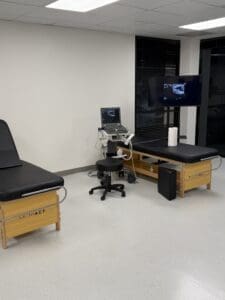 Patients experiencing musculoskeletal and degenerative conditions, such as osteoarthritis and tendon injuries, stand to benefit significantly from this accumulated expertise. Practitioners have developed a deep understanding of how different biologic preparations interact within living systems and have refined their methods based on practical outcomes. Their experience offers valuable guidance on dosing, application techniques, and long-term effects. The central message was one of unity and shared learning: “We’re all in this together.” By breaking down silos between medical disciplines, we can accelerate progress for everyone.
Key Takeaway 4: The Pillars of Modern Medicine—Patient Selection and Specificity
Perhaps the most crucial takeaway for clinical practice was the emphasis on patient selection and specificity. This is the essence of precision medicine and personalized medicine. The success of any orthobiologic treatment hinges on choosing the right patient, for the right condition, at the right time, with the right biologic formulation.
The Art and Science of Patient Selection
This goes far beyond a simple diagnosis. It involves a comprehensive evaluation of the patient as a whole. Factors to consider include:
- The Specific Pathology: Is it a chronic degenerative condition like osteoarthritis, or an acute injury like a tendon tear? The cellular environment and healing potential differ vastly.
- The Stage of the Condition: Early-stage arthritis may respond well to a simple anti-inflammatory biologic. In contrast, late-stage, “bone-on-bone” arthritis may not be a suitable candidate for regenerative injections.
- Patient Age and Comorbidities: A young, healthy patient has a different regenerative capacity than an older individual with metabolic syndrome, diabetes, or autoimmune disease. These systemic factors profoundly impact the cellular environment and the body’s ability to respond to treatment.
- Patient Lifestyle: Factors such as diet, exercise, smoking, and stress levels influence systemic inflammation and healing potential.
Precision and Personalization in Practice
Specificity refers to tailoring the treatment itself. Not all PRP is the same. Should it be leukocyte-rich to stimulate a robust inflammatory and recruitment phase, or leukocyte-poor for a more purely regenerative and anti-inflammatory effect in a sensitive joint? What is the ideal platelet concentration? Should we combine the biologic with other modalities?
This is where the principles of functional medicine become indispensable. By understanding the patient’s unique biochemical and physiological landscape, we can make more informed decisions. This is the future of medicine: moving away from generic protocols and toward highly individualized therapeutic strategies.
Beyond Medicine: The Power of Chiropractic Care- Video
Key Takeaway 5: A Holistic View—Treating the Joint as an Organ
A powerful paradigm shift was proposed: we must treat the whole joint. A joint is not merely two bones covered in cartilage. It is a complex, living organ with intricate anatomy and physiology. It includes:
- Bone and Cartilage: The structural framework.
- Synovium: The membrane that produces lubricating and nourishing synovial fluid.
- Ligaments and Tendons: The stabilizing and force-transmitting structures.
- Meniscus (in the knee): The shock-absorbing cartilage.
- Nerves and Blood Vessels: Providing sensation and nourishment.
All these components exist in a delicate balance. The joint is a dynamic system influenced by biomechanical alignment, systemic inflammation, and cellular biology. An injury to one part of the organ affects the entire system. For example, a ligament tear can alter joint mechanics, leading to abnormal loading on the cartilage and eventually to osteoarthritis.
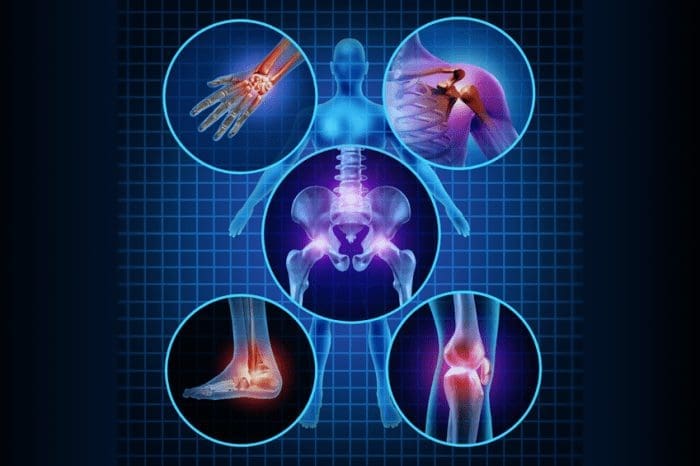 Therefore, treatment must be holistic. It’s not enough to inject a biologic into the joint space. We must also address the underlying issues. At our clinic, integrative chiropractic care plays a pivotal role. By assessing and correcting biomechanical imbalances through adjustments and rehabilitation, we ensure the joint is properly aligned and loaded. This creates an optimal mechanical environment for the biologic therapy to work effectively, preventing the repaired tissue from being damaged again by the same dysfunctional patterns that caused the initial injury.
Key Takeaway 6: The Foundation of Healing—Biology is King
Ultimately, the success of all these interventions comes down to one principle: biology is king. This statement encapsulates the core philosophy of regenerative and functional medicine. We are finally getting to the root cause of why our bodies fail to heal and why some biologic treatments succeed while others falter.
The biologic we inject—be it PRP or a cellular therapy—is not a magic bullet. It is a biological signal. It acts as a conductor, orchestrating the body’s own innate healing symphony. The success of that symphony depends entirely on the quality of the orchestra—the patient’s own biological environment.
If the patient’s system is riddled with chronic inflammation, oxidative stress, nutritional deficiencies, or metabolic dysfunction, the “soil” is not fertile for the “seed” of the biologic to grow. The injected cells and growth factors will be entering a hostile environment, limiting their ability to function. This is why our integrative approach is so critical. Before, during, and after a biologic procedure, we work to optimize the patient’s biology through:
- Nutritional Interventions: Anti-inflammatory diets, targeted supplementation.
- Lifestyle Modifications: Stress management, improved sleep, appropriate exercise.
- Detoxification Support: Reducing the body’s toxic load.
By improving the systemic biological terrain, we dramatically increase the chances of a successful outcome. This is the fundamental reason behind our protocols: to support the body’s biology so it can respond effectively to the therapeutic signals we introduce.
Key Takeaway 7: Building a Framework for Success—Standardization and Data
Finally, the discussion turned to the future of the field as a whole. Two critical needs were identified: standardization of protocols and processes and the relentless pursuit of outcomes data.
The Need for Standardization
To advance the science and ensure patient safety, we must move toward standardized protocols. This includes standardizing how biologics are prepared (e.g., spin protocols for PRP), characterized (e.g., cell counts and growth factor concentrations), and administered. This allows us to compare results across clinics and studies, creating a reliable body of evidence.
The Power of Data
The future is about data. Every patient is a data point. By systematically collecting outcomes data, we can learn what works, for whom, and why. This includes:
- Objective Measures: Imaging studies (MRI, ultrasound), functional tests.
- Patient-Reported Outcome Measures (PROMs): Standardized questionnaires that capture the patient’s experience of pain, function, and quality of life.
At our clinic, we are committed to this process. We meticulously track patient progress, which allows us to refine our protocols continuously. We count the cells in our biologic preparations and report these details to our patients to promote transparency and education. Large-scale data registries, like the BARP study mentioned at the conference, will soon provide us with data from thousands of patients. This will allow us to conduct powerful analyses to understand the complex interactions among cell types, protein concentrations, and clinical outcomes, thereby driving the field toward true evidence-based practice.
In conclusion, the journey of orthobiologics is a collaborative one, built on rigorous science, holistic patient care, and a shared passion for healing. At Injury Medical Clinic, we are proud to be part of this journey. We integrate these advanced principles into our daily practice to provide our patients with modern, integrative care.
References
- Dhillon, R. S., Schwarz, E. M., & Maloney, M. D. (2012). Platelet-rich plasma in orthopedics: a critical review. The Journal of the American Academy of Orthopedic Surgeons, 20(10), 652–661.
- Everhart, J. S., Cavendish, P. A., & Flanigan, D. C. (2019). The ‘One Health’ concept in orthopedics: A narrative review of comparative medicine applications. The Journal of the American Academy of Orthopedic Surgeons, 27(13), e591–e598.
- Loeser, R. F., Goldring, S. R., Scanzello, C. R., & Goldring, M. B. (2012). Osteoarthritis: a disease of the joint as an organ. Arthritis and Rheumatism, 64(6), 1697–1707.
- Precision Medicine Initiative Working Group. (2015). The Precision Medicine Initiative: A new vision for medicine. National Institutes of Health.
SEO Tags: Orthobiologics, Platelet-Rich Plasma, PRP, Integrative Chiropractic, Dr. Alex Jimenez, Functional Medicine, Precision Medicine, Regenerative Medicine, Joint Pain, Osteoarthritis, El Paso TX, Injury Medical Clinic, Dr. Maria Cardenas, Cellular Therapy, Patient Selection, Holistic Healthcare, Biomechanics, Root Cause Medicine, Outcomes Data, One Health
Post Disclaimer
General Disclaimer, Licenses and Board Certifications *
Professional Scope of Practice *
The information herein on "Joint Care: A Comprehensive Guide Using PRP Therapy" is not intended to replace a one-on-one relationship with a qualified health care professional or licensed physician and is not medical advice. We encourage you to make healthcare decisions based on your research and partnership with a qualified healthcare professional.
Blog Information & Scope Discussions
Welcome to El Paso's Premier Wellness and Injury Care Clinic & Wellness Blog, where Dr. Alex Jimenez, DC, FNP-C, a Multi-State board-certified Family Practice Nurse Practitioner (FNP-BC) and Chiropractor (DC), presents insights on how our multidisciplinary team is dedicated to holistic healing and personalized care. Our practice aligns with evidence-based treatment protocols inspired by integrative medicine principles, similar to those on this site and on our family practice-based chiromed.com site, focusing on naturally restoring health for patients of all ages.
Our areas of multidisciplinary practice include Wellness & Nutrition, Chronic Pain, Personal Injury, Auto Accident Care, Work Injuries, Back Injury, Low Back Pain, Neck Pain, Migraine Headaches, Sports Injuries, Severe Sciatica, Scoliosis, Complex Herniated Discs, Fibromyalgia, Chronic Pain, Complex Injuries, Stress Management, Functional Medicine Treatments, and in-scope care protocols.
Our information scope is multidisciplinary, focusing on musculoskeletal and physical medicine; wellness; contributing etiological viscerosomatic disturbances within clinical presentations; associated somato-visceral reflex clinical dynamics; subluxation complexes; sensitive health issues; and functional medicine articles, topics, and discussions.
We provide and present clinical collaboration with specialists from various disciplines. Each specialist follows their professional scope of practice and licensure jurisdiction. We use functional health & wellness protocols to treat and support care for musculoskeletal injuries or disorders.
Our videos, posts, topics, and insights address clinical matters and issues that directly or indirectly relate to our clinical scope of practice.
Our office has made a reasonable effort to provide supportive citations and has identified relevant research studies that support our posts. We provide copies of supporting research studies upon request to regulatory boards and the public.
For further discussion on how this information relates to specific care plans or treatment protocols, please ask Dr. Alex Jimenez, DC, APRN, FNP-BC, or contact us at 915-850-0900.
We are here to help you and your family.
Blessings
Dr. Alex Jimenez DC, MSACP, APRN, FNP-BC*, CCST, IFMCP, CFMP, ATN
Email: [email protected]
Multidisciplinary Licensing & Board Certifications:
Licensed as a Doctor of Chiropractic (DC) in Texas & New Mexico*
Chiropractic Licenses:
Texas DC License #: TX5807, Verified: TX5807
New Mexico DC License #: NM-DC2182, Verified: NM-DC2182
Nurse Practitioner Licenses:
Texas APRN License #: 1191402, Verified: 1191402 *
New Mexico CNP License #: 90560, Verified 90560
Florida APRN License #: 11043890, Verified: APRN11043890 *
Colorado License #: C-APN.0105610-C-NP, Verified: C-APN.0105610-C-NP
New York License #: N25929, Verified N25929
Georgia APRN License #: GAA-NP005701
Multi-State Advanced Practice Registered Nurse (APRN*) Texas & Multi-States
Multi-state Compact APRN License by Endorsement (43 States)
Compact Status: Multi-State License: Authorized to Practice in 43 States*
Nursing Licensure Compact: Updated Here
DEA Registration: (Drug Enforcement Agency Registered)
All medical (MDs) and family practice providers (FNP-APRN) are registered and licensed to offer various levels of medication.
Verify Providers Here
License Verification Link: Nursys License Verifier
* Prescriptive Authority Authorized (DEA Registered Providers). Call if Required
Board Certification:
ANCC FNP-BC: Board Certified Nurse Practitioner*
Education:
Graduate with Honors: ICHS: MSN-FNP (Family Nurse Practitioner Program)
Degree Granted. Master's in Family Practice, MSN Diploma (Cum Laude)
Dr. Alex Jimenez, DC, APRN, FNP-BC*, CFMP, IFMCP, ATN, CCST
(Board Certified: Family Practice Nurse Practitioner—Multistate)*
(Licensed Nurse Practitioner & Chiropractor - Multistate)*
Clinical Director
DC & FNP License (Review Above)
Digital Business Card
NPI: 1205907805
Dr. Maria Cardenas, MD
(Board Certified: Internal Medicine)
(Licensed Medical Doctor)
Medical Director, Clinical Director & Collaborative Physician
NPI # 1164426748
MD License #: J2933
Licenses and Board Certifications:
MD: Medical Doctor
DC: Doctor of Chiropractic
APRNP: Advanced Practice Registered Nurse
FNP-BC: Family Practice Specialization (Multi-State Board Certified)
FNP-BC: Family Practice Across Life Span (Neonatal to Geriatrics)
RN: Registered Nurse (Multi-State Compact License)
CFMP: Certified Functional Medicine Provider
MSN-FNP: Master of Science in Family Practice Medicine
MSACP: Master of Science in Advanced Clinical Practice
IFMCP: Institute of Functional Medicine
CCST: Certified Chiropractic Spinal Trauma
ATN: Advanced Translational Neutrogenomics
Family with Primary Care Focus (Family Nurse Practitioner or FNP)
- The Family Nurse Practitioner (FNP) promotes, maintains, and restores health for individuals and families across the lifespan. FNPs also identify health risks, promote wellness, and diagnose and manage acute and chronic illness.
- The FNP focuses on comprehensive primary care, promoting healthy lifestyles for patients across the lifespan in settings such as private practice, physician offices, and community health centers.
Memberships & Associations:
TCA: Texas Chiropractic Association: Member ID: 104311
TNA: Texas Nurse Association: Member ID: 06458222
TNP: Texas Nurse Practitioner Association ID: 2025091511
AANP: American Association of Nurse Practitioners: Member ID: 2198960
ANA: American Nurses Association: Member ID: 06458222 (District TX01)
| Primary Taxonomy | Selected Taxonomy | State | License Number |
|---|---|---|---|
| No | 111N00000X - Chiropractor | NM | DC2182 |
| Yes | 111N00000X - Chiropractor | TX | DC5807 |
| Yes | 363LF0000X - Nurse Practitioner - Family | TX | 1191402 |
| Yes | 363LF0000X - Nurse Practitioner - Family | FL | 11043890 |
| Yes | 363LF0000X - Nurse Practitioner - Family | CO | C-APN.0105610-C-NP |
| Yes | 363LF0000X - Nurse Practitioner - Family | NY | N25929 |
| Yes | 363LF0000X - Nurse Practitioner - Family | NM |
90560 |
| Yes | 363LF0000X - Nurse Practitioner - Family | GA | GAA-NP005701 |
Dr. Alex Jimenez, DC, APRN, FNP-BC*, CFMP, IFMCP, ATN, CCST
(Board Certified: Family Practice Nurse Practitioner—Multistate)*
(Primary Care Across Lifespan—Neonatal / Pediatric / Adult / Geriatrics)
(Licensed Nurse Practitioner & Chiropractor - Multistate)*
Clinical Director
Digital Business Card
NPI: 1205907805
Dr. Maria Cardenas, MD
(Board Certified: Internal Medicine)*
(Licensed Medical Doctor)*
Medical Director, Clinical Director & Collaborative Physician
NPI # 1164426748
MD License #: J2933
📆 Schedule Appointment: Schedule 24/7 (Click Here)

Comments are closed.