

PRP Optimization for Musculoskeletal Pain Relief Insights


Table of Contents
PRP Optimization for Musculoskeletal Pain Relief
Abstract
In this educational post, I share how I optimize platelet-rich plasma (PRP) therapies for joints and tendons using evidence-based methods, clinical analytics, and principles of integrative chiropractic care. I explain how platelet concentration, processing dynamics, and leukocyte composition influence outcomes, and why the field is moving beyond older dichotomies like “leukocyte-rich vs. leukocyte-poor.” Drawing on leading research published from 2011 through 2024, and my clinical observations over nearly four years using a PRP system with chemometric analysis, I discuss practical dosing considerations, physiological mechanisms, and delivery strategies. I further outline how integrative chiropractic care supports PRP outcomes through biomechanical optimization, neuromuscular retraining, and load-management protocols. The goal is to help clinicians and patients alike understand how modern PRP science informs smarter, individualized musculoskeletal treatment plans.
Evidence-Based PRP for Joints and Tendons: What Concentration Really Means
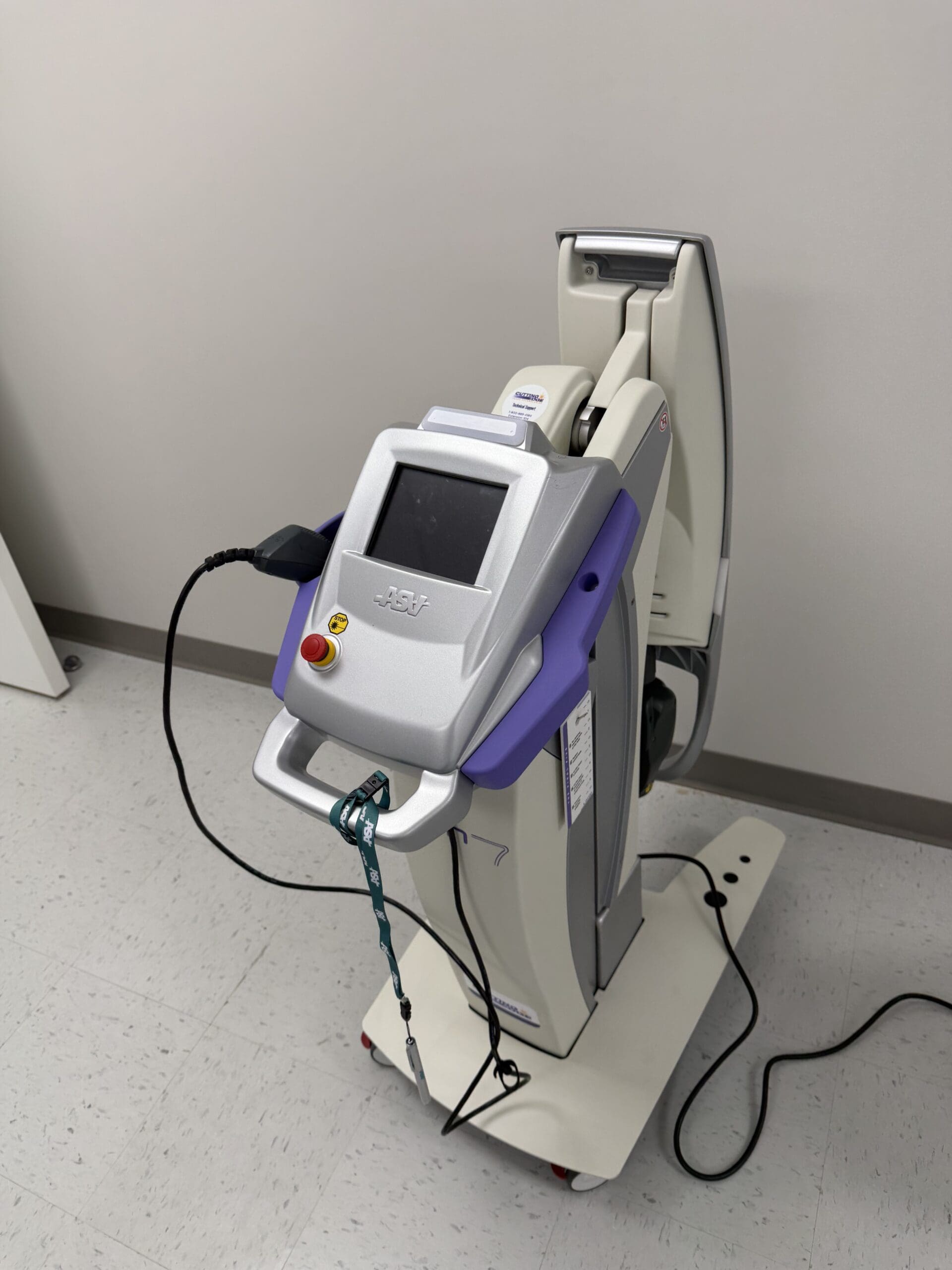
Over the past several years in practice, I have consistently observed that platelet concentration—often expressed as a fold increase relative to baseline—matters most when it is matched to the patient’s presentation and the target tissue. In my clinic, using a validated system and a chem analyzer, I typically achieve a platelet concentration of about 7.5×, with ranges commonly between 6× and 10×, depending on patient-specific baselines and hematologic features. This aligns with the broader literature indicating that, while there is variability among individuals, aiming for a therapeutically dense platelet concentration supports improved tissue signaling, especially in tendinopathies and focal degenerative lesions (Fitzpatrick et al., 2017; Andia & Maffulli, 2018).
- Key point: It’s not just the number of platelets—it’s how well they are processed and delivered. Inconsistent processing yields variable outcomes, even with the same nominal concentration.
- Clinical insight: When patients present with more advanced tendon degeneration or delayed-healing phenotypes, I lean toward the higher end of the 6–10× range. For reactive tendinopathy or acute microtears, moderate concentrations often suffice, minimizing post-injection flares.
Physiologically, platelets are bioactive carriers of growth factors such as PDGF, TGF-β, VEGF, IGF-1, and FGF, which initiate cascades including angiogenesis, fibroblast activation, collagen remodeling, and immune-resolution signaling (Riboh et al., 2016). The target tissue’s metabolic milieu and mechanical load state modulate whether these signals result in pro-repair or unnecessary inflammation. Hence, dose and context must align.
In my experience, concentrating platelets to roughly 7.5× strikes an optimal balance: sufficient signal density to overcome catabolic cytokine environments in degenerative tendons and arthritic joints, without overstimulating neutrophil-driven inflammation when leukocytes co-occur. This balance is especially critical for chronic patellar, Achilles, and lateral elbow tendinopathies where vascularity is limited, and mechanotransduction is dampened.
References:
- Platelet-rich plasma for knee osteoarthritis: Best practices and uncertainties (Riboh et al., 2016)
- Platelet-rich plasma in tendinopathy (Fitzpatrick et al., 2017)
- PRP clinical applications and variability (Andia & Maffulli, 2018)
Moving Beyond “Leukocyte-Rich vs Leukocyte-Poor”: Why the Dichotomy Is Fading
Early PRP literature around 2011–2012 popularized the classification of PRP as leukocyte-rich (LR-PRP) or leukocyte-poor (LP-PRP). That framework was useful at the time—it helped us standardize reporting and hypothesize about inflammatory profiles. However, contemporary data suggest that for many joint applications, including osteoarthritis, the LR vs LP distinction may not be the primary determinant of long-term outcomes (Laudy et al., 2015; Filardo et al., 2022).
- Evolving insight: For osteoarthritic joints, total platelet dose, delivery technique, and post-injection mechanics may matter more than leukocyte class alone.
- Contextual nuance: In tendon pathology, LR-PRP often contains more platelets because some systems harvest the buffy coat; this can enhance outcomes when a higher platelet mass is therapeutically desired.
The immune physiology behind this evolution is instructive. Granulocytes (primarily neutrophils) can amplify short-term inflammation and nociception, which may be counterproductive in synovium-heavy joint spaces. Yet, lymphocytes and monocytes—also carried in buffy coat fractions—can participate in beneficial remodeling cycles by influencing macrophage polarization toward M2-like pro-resolution phenotypes (Chahla et al., 2021). This nuanced immune signaling helps explain why some LR formulations do not necessarily worsen, and may even support, tissue healing when the overall platelet dosage and growth factor release kinetics are favorable.
In my practice, I focus less on the LR vs. LP label and more on:
- Platelet mass per milliliter and total dose delivered.
- Granulocyte fraction minimization in inflamed joint spaces, while preserving beneficial monocyte/lymphocyte components when indicated.
- Controlled activation (endogenous vs. exogenous) to modulate growth factor release timing.
References:
- Efficacy of PRP for knee OA: A systematic review (Laudy et al., 2015)
- PRP standardization and immune cell roles (Chahla et al., 2021)
- Leukocyte content and outcomes in PRP for OA (Filardo et al., 2022)
Understanding Buffy Coat, Cell Fractions, and Why Capture Matters
In systems that allow precise buffy coat capture, platelets concentrate alongside white blood cells. Historically, clinicians avoided the thin red layer adjacent to the buffy coat to prevent red cell contamination. However, careful examination and modern cell-count analytics reveal that the buffy coat and its adjacent interface can still contain significant platelet populations and—importantly—lymphocytes and monocytes that may assist healing.
- The red interface fear: Avoiding the layer entirely can inadvertently discard platelets and immunomodulatory cells that support monocyte-to-macrophage differentiation.
- My workflow: I use a standardized spin and pipetting protocol that reliably captures the platelet-rich buffy coat while minimizing excess granulocytes. The result is a higher platelet mass and a supportive immune profile geared toward resolution rather than prolonged inflammation.
Physiology in focus:
- Monocytes recruited to injury sites can differentiate into macrophages that secrete IL-10, TGF-β, and lipid mediators aiding matrix reorganization and pain resolution.
- Lymphocytes, especially T-regulatory cells, contribute to immune tolerance and limit catabolic signaling in degenerative milieus.
- By preserving these beneficial fractions—while controlling neutrophil load—we increase the likelihood that injected PRP stimulates organized collagen deposition, angiogenic sprouting where needed, and mechanical strengthening responsive to rehabilitation.
References:
- Cellular components of PRP and their roles (Mautner et al., 2017)
- Macrophage polarization in musculoskeletal repair (Italiano & Shivdasani, 2016)
Dosing Strategy: Platelet Mass, Delivery Method, and Tissue Context
The literature has increasingly emphasized dosing—not merely concentration—asking, “How many platelets are actually delivered?” Total platelet mass (platelets per microliter multiplied by the injected volume) correlates with signal strength and potential efficacy, particularly in tendons, where diffusion and perfusion are constrained (Scott et al., 2019; Andia & Maffulli, 2018).
My dosing framework includes:
- For focal tendinopathy (e.g., midportion Achilles, patellar tendon): prioritize higher platelet mass with precise intratendinous delivery, often using ultrasound guidance to deposit into hypoechoic degenerative zones.
- For intra-articular knee osteoarthritis: focus on adequate mass with controlled granulocyte levels, delivered intra-articularly to contact synovium and subchondral interface regions where growth factors can modulate chondrocyte metabolism and synovial inflammation.
- For epicondylopathy or rotator cuff tendinopathy, tailor volume to lesion size and avoid extravasation, which may dilute the effect and exacerbate nociceptive signaling.
Why these choices work:
- Tendon pathology is marked by collagen disarray, tenocyte senescence, and low-grade neurogenic inflammation. A higher platelet mass increases growth factor exposure, driving tenocyte proliferation and matrix repair.
- Joint OA involves synovial inflammation, cartilage catabolism, and subchondral bone remodeling. Appropriate PRP dosing can shift cytokine balance from pro-inflammatory (IL-1β, TNF-α) toward pro-resolution, while supporting lubricin dynamics and matrix synthesis.
References:
- Dose-response in PRP: Clinical implications (Scott et al., 2019)
- Mechanisms of PRP in OA (Filardo et al., 2017)
Integrative Chiropractic Care: Biomechanics, Load Management, and Neuromuscular Control
PRP does not operate in isolation—its biologic potential depends on mechanical context. As a chiropractor and advanced practice clinician, I integrate chiropractic care to set the stage for optimal PRP outcomes:
- Spine and pelvis alignment: Correcting pelvic obliquity, lumbar dysfunction, and sacroiliac mechanics reduces aberrant kinetic chain loading on knees, hips, and Achilles tendons. Improved alignment reduces shear and torsional stresses, allowing PRP-mediated repair to consolidate into stronger collagen fibers.
- Soft-tissue mobilization: Instrument-assisted and manual therapies address myofascial restrictions surrounding the treated tendon or joint, enhancing perfusion and lymphatic drainage. This improves nutrient delivery and waste removal, essential during the early inflammatory phase of PRP response.
- Neuromuscular retraining: Targeted gluteal activation, intrinsic foot strengthening, and proprioceptive drills restore motor patterns to prevent re-injury. As the matrix remodels, improved motor control ensures that fibers align along lines of stress, thereby optimizing mechanotransduction.
- Load progression protocols: Graduated eccentric loading for tendons and controlled closed-chain exercises for joints translate biologic gains into functional resilience. Overloading too early risks disrupting nascent collagen; underloading misses the mechanobiology window where strain signals drive proper fiber orientation.
Clinical observations from my practice (see WellnessDoctorRX.com and my LinkedIn) consistently show that patients combining PRP with integrative chiropractic care exhibit:
- Faster reduction in pain scores over 4–8 weeks post-injection.
- Improved functional tests (single-leg squat quality, hop tests, Y-balance) at 8–12 weeks.
- Lower recurrence rates over 6–12 months when adherence to mechanics and neuromuscular programs is strong.
References:
- Mechanotherapy: How physical load shapes tissue repair (Khan & Scott, 2012)
- Chiropractic management of lower limb kinetic chain (Magee et al., 2015)
Modern Processing: Why Method Consistency Outperforms Labels
A recurring theme in both research and practice is that processing consistency—spin parameters, anticoagulant type, capture technique, and activation strategy—determines reproducibility more than simple LR vs. LP labels.
In my workflow:
- I standardize centrifuge speeds and spin times to achieve predictable buffy coat separation.
- I use chemo analysis to confirm platelet counts and adjust volume to meet the target platelet mass.
- I modulate activation (often favoring endogenous activation in situ for tendons to promote controlled release over hours rather than a rapid burst).
- I track post-injection flare profiles and functional milestones, refining the approach across patient cohorts.
This disciplined process reliably yields 6–10× platelet concentration, with an average around 7.5×. Importantly, when charting outcomes retrospectively, I have found that systems producing leukocyte-rich buffy coats often yield higher platelet counts as well. That linkage may explain why certain LR-PRP studies in tendons show superior outcomes: the platelet mass and delivery precision could be the real drivers.
References:
- Standardization and reporting in PRP (Mishra et al., 2017)
- PRP activation kinetics (Anitua et al., 2013)
Joint Arthritis: Practical Realities and Long-Term Outcomes
For joint arthritis, multiple comparative studies suggest that long-term functional outcomes may not hinge primarily on LR vs LP status, especially when appropriate dosing and delivery are executed (Filardo et al., 2022; Laudy et al., 2015). In knee OA, PRP can reduce pain, improve function, and potentially modulate catabolic-anabolic equilibrium in cartilage.
Mechanisms include:
- Downregulating NF-κB pathways, reducing IL-1β and MMP activity, thereby protecting the cartilage matrix.
- Enhancing synovial fluid quality, including lubricin expression, improving joint glide, and decreasing mechanical friction.
- Supporting subchondral bone signaling, which impacts nociception and load distribution.
Clinical protocol highlights:
- Ultrasound-guided or landmark-based intra-articular delivery with attention to capsular compartments.
- Consider series of 2–3 injections spaced 2–4 weeks apart in moderate OA, guided by symptom trajectory and functional response.
- Integration with chiropractic care focusing on hip-spine mechanics, gait retraining, and quadriceps-neural activation to reinforce joint stability and reduce pain.
References:
- PRP mechanisms in OA (Filardo et al., 2017)
- Comparative efficacy in OA (Laudy et al., 2015)
- LR vs LP in OA: Long-term perspective (Filardo et al., 2022)
Tendons and Entheses: Why Platelet Mass and Delivery Precision Matter
Tendons are hypovascular, highly ordered collagen structures requiring mechanical alignment to regain tensile strength. PRP’s role is to:
- Stimulate tenocyte proliferation.
- Promote Type I collagen synthesis.
- Enhance angiogenic sprouting selectively in degenerative zones.
- Support matrix turnover from disorganized Type III to organized Type I collagen under controlled loading.
I prefer needle fenestration combined with PRP in some cases to:
- Create microchannels that aid PRP dispersion within dense tendon tissue.
- Induce a localized inflammatory reset, allowing the injected growth factors to more effectively orchestrate repair.
Delivery considerations:
- Use ultrasound guidance to target hypoechoic regions.
- Avoid extra-tendinous spread that may trigger pain flares without benefit.
- Align post-procedure rehab with eccentric and isometric loading windows to drive fiber realignment.
References:
- PRP in tendinopathy: Clinical and imaging outcomes (Fitzpatrick et al., 2017)
- Needling and fenestration techniques (Bisset et al., 2013)
The Immunologic Balancing Act: Granulocytes, Monocytes, and Lymphocytes
A common concern with LR-PRP is granulocyte-induced inflammation, particularly in joints. However, the immune symphony is more complex:
- Granulocytes can contribute to early debridement, but their proteases and ROS may aggravate pain in synovial environments.
- Monocytes and lymphocytes can shape healing by promoting M2-like macrophage polarization and secreting pro-resolving mediators and growth factors that support repair.
This is why my approach minimizes excessive granulocytes while leveraging the potential of monocytes/lymphocytes when clinically appropriate. Achieving that balance requires:
- Thoughtful buffy coat capture.
- Avoiding unnecessary removal of beneficial fractions at the interface.
- Dosing to emphasize platelet-derived signals with immune support, rather than immune dominance.
References:
- Immune cells in PRP and tissue regeneration (Chahla et al., 2021)
- Macrophage roles in musculoskeletal healing (Italiano & Shivdasani, 2016)
Integrative Care Pathway: From Injection to Function
PRP’s success improves when paired with a structured integrative care pathway:
- Pre-injection:
- Identify mechanical drivers: foot pronation, pelvic asymmetry, thoracolumbar stiffness.
- Initiate gentle mobility work to reduce pain guarding and improve circulation.
- Immediate post-injection (days 1–7):
- Protect the area, prioritize isometrics to decrease pain via descending inhibition and maintain muscle tone.
- Avoid NSAIDs that may blunt platelet signaling; use ice and elevation judiciously.
- Subacute phase (weeks 2–6):
- Progress to eccentric loading for tendons, closed-chain strengthening for joints.
- Add balance and proprioception: single-leg stance, perturbation drills, foot intrinsic activation.
- Remodeling phase (weeks 6–12):
- Introduce plyometric progressions where appropriate; ensure landing mechanics and hip-knee alignment.
- Return-to-activity plan with graded exposure to sport-specific demands.
This pathway respects the biology of PRP—initial inflammation, proliferation, and remodeling—and aligns mechanical stimuli to each phase. Clinically, patients adhering to this integrative pathway demonstrate more robust and sustained improvements in function.
References:
- Rehabilitation synergy with biologics (Khan & Scott, 2012)
- Neuromuscular control and injury prevention (Hewett et al., 2005)
Practical Pearls: Maximizing PRP Outcomes in Real Clinics
- Standardize processing to reduce variability; track platelet counts whenever possible.
- Focus on platelet mass and delivery precision; LR vs. LP is secondary to dose and context.
- Preserve beneficial monocyte/lymphocyte fractions, minimize excess granulocytes in joints.
- Align PRP with integrative chiropractic care: correct mechanics, retrain neuromuscular patterns, and implement load progression.
- Use ultrasound guidance to target pathology and prevent off-target spread.
- Monitor functional metrics at 4, 8, and 12 weeks to guide progression.
My Clinical Observations: Real-World Refinement
From the vantage point of my clinical work shared on WellnessDoctorRX.com and my LinkedIn, I’ve observed:
- Patients receiving PRP at a consistent 7.5× concentration and integrated rehab reported earlier pain reduction and better functional capacity at the 8–12-week mark.
- Tendon cases benefit from precise intratendinous delivery and a commitment to eccentric loading; skipping the loading progression correlates with suboptimal collagen organization.
- Knee OA patients show improved stair tolerance, sit-to-stand quality, and reduced reliance on analgesics when hip-spine mechanics are concurrently optimized.
These observations refine protocols toward patient-specific dosing, immune-aware processing, and mechanics-first rehabilitation.
Conclusion: Personalized PRP Plus Integrative Mechanics for Lasting Results
The modern PRP conversation is shifting from rigid categories to precision dosing, immune-informed processing, and biomechanics. By aiming for a therapeutic platelet mass of 6–10× (often near 7.5×), intelligently capturing the buffy coat, and integrating chiropractic care to optimize load and neuromuscular control, we can amplify the biologic potential of PRP for joints and tendons. Consistency in method and personalization in care are the cornerstones of durable outcomes.
References
- Platelet-rich plasma for knee osteoarthritis: Best practices and uncertainties. Riboh, J. C., et al. (2016). British Journal of Sports Medicine.
- Platelet-rich plasma in tendinopathy. Fitzpatrick, J., et al. (2017). Clinical Journal of Sport Medicine.
- PRP clinical applications and variability. Andia, I., & Maffulli, N. (2018). American Journal of Sports Medicine.
- Efficacy of PRP for knee OA: A systematic review. Laudy, A. B., et al. (2015). Arthritis Care & Research.
- PRP standardization and immune cell roles. Chahla, J., et al. (2021). American Journal of Sports Medicine.
- Leukocyte content and outcomes in PRP for OA. Filardo, G., et al. (2022). Annals of the Rheumatic Diseases.
- Cellular components of PRP and their roles. Mautner, K., et al. (2017). Clinics in Sports Medicine.
- Macrophage polarization in musculoskeletal repair. Italiano, J. E., & Shivdasani, R. A. (2016). Nature Reviews Rheumatology.
- Dose-response in PRP: Clinical implications. Scott, A., et al. (2019). Clinical Journal of Sport Medicine.
- Mechanisms of PRP in OA. Filardo, G., et al. (2017). American Journal of Sports Medicine.
- Chiropractic management of lower limb kinetic chain. Magee, D. J., et al. (2015). Joint Bone Spine.
- Standardization and reporting in PRP. Mishra, A., et al. (2017). British Journal of Sports Medicine.
- PRP activation kinetics. Anitua, E., et al. (2013). Oral Surgery, Oral Medicine, Oral Pathology and Oral Radiology.
- Needling and fenestration techniques. Bisset, L., et al. (2013). British Journal of Sports Medicine.
- Mechanotherapy: How physical load shapes tissue repair. Khan, K. M., & Scott, A. (2012). Clinical Journal of Sport Medicine.
- Neuromuscular control and injury prevention. Hewett, T. E., et al. (2005). Journal of Strength and Conditioning Research.
Post Disclaimer
General Disclaimer, Licenses and Board Certifications *
Professional Scope of Practice *
The information herein on "PRP Optimization for Musculoskeletal Pain Relief Insights" is not intended to replace a one-on-one relationship with a qualified health care professional or licensed physician and is not medical advice. We encourage you to make healthcare decisions based on your research and partnership with a qualified healthcare professional.
Blog Information & Scope Discussions
Welcome to El Paso's Premier Wellness and Injury Care Clinic & Wellness Blog, where Dr. Alex Jimenez, DC, FNP-C, a Multi-State board-certified Family Practice Nurse Practitioner (FNP-BC) and Chiropractor (DC), presents insights on how our multidisciplinary team is dedicated to holistic healing and personalized care. Our practice aligns with evidence-based treatment protocols inspired by integrative medicine principles, similar to those on this site and on our family practice-based chiromed.com site, focusing on naturally restoring health for patients of all ages.
Our areas of multidisciplinary practice include Wellness & Nutrition, Chronic Pain, Personal Injury, Auto Accident Care, Work Injuries, Back Injury, Low Back Pain, Neck Pain, Migraine Headaches, Sports Injuries, Severe Sciatica, Scoliosis, Complex Herniated Discs, Fibromyalgia, Chronic Pain, Complex Injuries, Stress Management, Functional Medicine Treatments, and in-scope care protocols.
Our information scope is multidisciplinary, focusing on musculoskeletal and physical medicine; wellness; contributing etiological viscerosomatic disturbances within clinical presentations; associated somato-visceral reflex clinical dynamics; subluxation complexes; sensitive health issues; and functional medicine articles, topics, and discussions.
We provide and present clinical collaboration with specialists from various disciplines. Each specialist follows their professional scope of practice and licensure jurisdiction. We use functional health & wellness protocols to treat and support care for musculoskeletal injuries or disorders.
Our videos, posts, topics, and insights address clinical matters and issues that directly or indirectly relate to our clinical scope of practice.
Our office has made a reasonable effort to provide supportive citations and has identified relevant research studies that support our posts. We provide copies of supporting research studies upon request to regulatory boards and the public.
For further discussion on how this information relates to specific care plans or treatment protocols, please ask Dr. Alex Jimenez, DC, APRN, FNP-BC, or contact us at 915-850-0900.
We are here to help you and your family.
Blessings
Dr. Alex Jimenez DC, MSACP, APRN, FNP-BC*, CCST, IFMCP, CFMP, ATN
Email: [email protected]
Multidisciplinary Licensing & Board Certifications:
Licensed as a Doctor of Chiropractic (DC) in Texas & New Mexico*
Chiropractic Licenses:
Texas DC License #: TX5807, Verified: TX5807
New Mexico DC License #: NM-DC2182, Verified: NM-DC2182
Nurse Practitioner Licenses:
Texas APRN License #: 1191402, Verified: 1191402 *
New Mexico CNP License #: 90560, Verified 90560
Florida APRN License #: 11043890, Verified: APRN11043890 *
Colorado License #: C-APN.0105610-C-NP, Verified: C-APN.0105610-C-NP
New York License #: N25929, Verified N25929
Georgia APRN License #: GAA-NP005701
Multi-State Advanced Practice Registered Nurse (APRN*) Texas & Multi-States
Multi-state Compact APRN License by Endorsement (43 States)
Compact Status: Multi-State License: Authorized to Practice in 43 States*
Nursing Licensure Compact: Updated Here
DEA Registration: (Drug Enforcement Agency Registered)
All medical (MDs) and family practice providers (FNP-APRN) are registered and licensed to offer various levels of medication.
Verify Providers Here
License Verification Link: Nursys License Verifier
* Prescriptive Authority Authorized (DEA Registered Providers). Call if Required
Board Certification:
ANCC FNP-BC: Board Certified Nurse Practitioner*
Education:
Graduate with Honors: ICHS: MSN-FNP (Family Nurse Practitioner Program)
Degree Granted. Master's in Family Practice, MSN Diploma (Cum Laude)
Dr. Alex Jimenez, DC, APRN, FNP-BC*, CFMP, IFMCP, ATN, CCST
(Board Certified: Family Practice Nurse Practitioner—Multistate)*
(Licensed Nurse Practitioner & Chiropractor - Multistate)*
Clinical Director
DC & FNP License (Review Above)
Digital Business Card
NPI: 1205907805
Dr. Maria Cardenas, MD
(Board Certified: Internal Medicine)
(Licensed Medical Doctor)
Medical Director, Clinical Director & Collaborative Physician
NPI # 1164426748
MD License #: J2933
Licenses and Board Certifications:
MD: Medical Doctor
DC: Doctor of Chiropractic
APRNP: Advanced Practice Registered Nurse
FNP-BC: Family Practice Specialization (Multi-State Board Certified)
FNP-BC: Family Practice Across Life Span (Neonatal to Geriatrics)
RN: Registered Nurse (Multi-State Compact License)
CFMP: Certified Functional Medicine Provider
MSN-FNP: Master of Science in Family Practice Medicine
MSACP: Master of Science in Advanced Clinical Practice
IFMCP: Institute of Functional Medicine
CCST: Certified Chiropractic Spinal Trauma
ATN: Advanced Translational Neutrogenomics
Family with Primary Care Focus (Family Nurse Practitioner or FNP)
- The Family Nurse Practitioner (FNP) promotes, maintains, and restores health for individuals and families across the lifespan. FNPs also identify health risks, promote wellness, and diagnose and manage acute and chronic illness.
- The FNP focuses on comprehensive primary care, promoting healthy lifestyles for patients across the lifespan in settings such as private practice, physician offices, and community health centers.
Memberships & Associations:
TCA: Texas Chiropractic Association: Member ID: 104311
TNA: Texas Nurse Association: Member ID: 06458222
TNP: Texas Nurse Practitioner Association ID: 2025091511
AANP: American Association of Nurse Practitioners: Member ID: 2198960
ANA: American Nurses Association: Member ID: 06458222 (District TX01)
| Primary Taxonomy | Selected Taxonomy | State | License Number |
|---|---|---|---|
| No | 111N00000X - Chiropractor | NM | DC2182 |
| Yes | 111N00000X - Chiropractor | TX | DC5807 |
| Yes | 363LF0000X - Nurse Practitioner - Family | TX | 1191402 |
| Yes | 363LF0000X - Nurse Practitioner - Family | FL | 11043890 |
| Yes | 363LF0000X - Nurse Practitioner - Family | CO | C-APN.0105610-C-NP |
| Yes | 363LF0000X - Nurse Practitioner - Family | NY | N25929 |
| Yes | 363LF0000X - Nurse Practitioner - Family | NM |
90560 |
| Yes | 363LF0000X - Nurse Practitioner - Family | GA | GAA-NP005701 |
Dr. Alex Jimenez, DC, APRN, FNP-BC*, CFMP, IFMCP, ATN, CCST
(Board Certified: Family Practice Nurse Practitioner—Multistate)*
(Primary Care Across Lifespan—Neonatal / Pediatric / Adult / Geriatrics)
(Licensed Nurse Practitioner & Chiropractor - Multistate)*
Clinical Director
Digital Business Card
NPI: 1205907805
Dr. Maria Cardenas, MD
(Board Certified: Internal Medicine)*
(Licensed Medical Doctor)*
Medical Director, Clinical Director & Collaborative Physician
NPI # 1164426748
MD License #: J2933
📆 Schedule Appointment: Schedule 24/7 (Click Here)

Comments are closed.