
Peptides, Nutrition, and Chiropractic Wellness Explained


Table of Contents
Peptides, Nutrition, and Chiropractic Wellness: Supporting Healing From the Inside Out
Peptides are becoming a major topic in wellness, injury recovery, functional medicine, and chiropractic care. Many people hear about peptides and think they are a quick fix. But in a real clinical setting, peptides should not be treated as a cure-all. They are better understood as biological messengers that may help guide the body toward repair, balance, and better function.
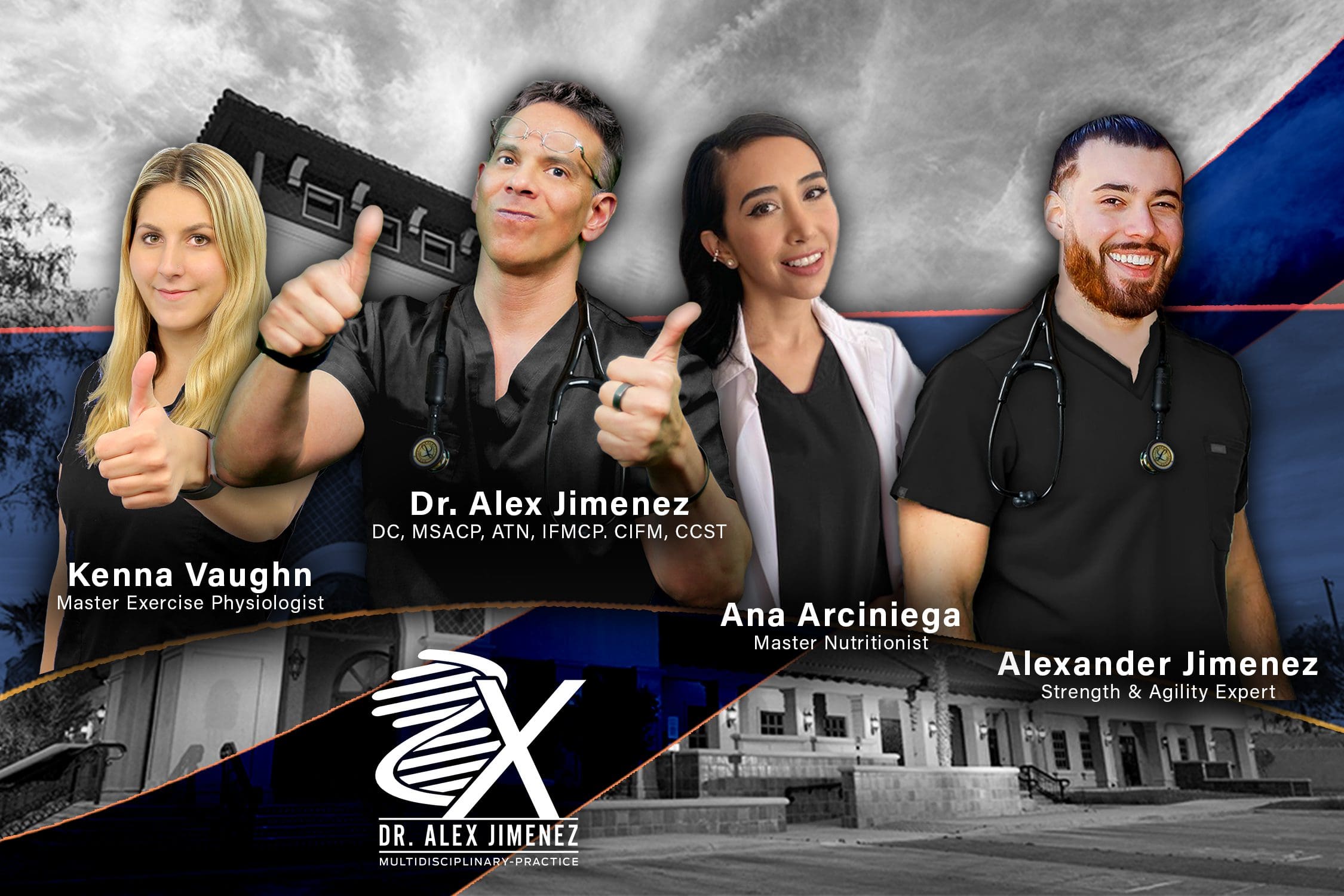
At Wellness Doctor RX, the focus is whole-person care. This means looking at the spine, nervous system, nutrition, inflammation, metabolism, movement, and lifestyle together. Dr. Alexander Jimenez, DC, APRN, FNP-BC, CCST, CFMP, IFMCP, ATN, combines chiropractic care, functional medicine, personal injury care, rehabilitation, and wellness support to help patients improve health from the inside out.
In this model, peptide therapy may be used as a supportive tool. It works best when combined with chiropractic adjustments, a focused nutrition plan, rehabilitation exercises, hydration, sleep, and medical oversight.

What Are Peptides?
Peptides are short chains of amino acids. Amino acids are the building blocks of protein. When amino acids link together in short chains, they form peptides. When they link together in longer chains, they form proteins.
Peptides help the body send messages between cells. These messages can affect many body functions, including tissue repair, inflammation, metabolism, immune response, and hormone signaling. In simple terms, peptides act like tiny instructions that tell cells what to do.
Research-based medical education defines peptides as short amino acid chains that play important roles in normal body function (Forbes Kaprive & Krishnamurthy, 2023).
Peptides may help support:
- Tissue repair
- Muscle recovery
- Joint and ligament support
- Inflammation balance
- Metabolic health
- Immune system function
- Cellular communication
- Energy and recovery
This is why many integrative and wellness clinics are now discussing peptides as part of a broader recovery and health plan.
Peptides Are Not Magic. They Are Messengers.
Peptides should not be viewed as magic treatments. They do not replace good food, proper movement, chiropractic care, sleep, hydration, or medical evaluation.
Instead, peptides may act as signals. A signal can tell the body to start or support a process. But the body still needs the right tools to finish the job.
For example, a tissue-support peptide may signal the body to help repair a ligament or tendon. But if the person does not eat enough protein, lacks key vitamins, has poor sleep, or continues to overload the injured area, the body may not have what it needs to complete the repair.
That is why peptide therapy works best as part of a complete plan. It should be used with nutrition, exercise, chiropractic care, rehabilitation, and provider guidance (ProCredits, 2025).
Nutrition Gives the Body the Building Blocks
Peptides may send the message, but nutrition supplies the materials.
Think of the body like a construction site. Peptides may act like the foreman giving directions. But the workers still need wood, cement, nails, tools, and energy to build. In the body, those building supplies come from food.
A strong nutrition plan gives the body:
- Amino acids from protein
- Vitamins for repair and energy
- Minerals for muscle and nerve function
- Healthy fats for cell membranes and inflammation balance
- Water for circulation and cellular function
- Fiber for gut and metabolic health
Med Matrix explains that peptide therapy works best when the body has proper nutrition, including protein, vitamins, minerals, and healthy lifestyle support (Med Matrix, 2026). Clean Eatz also explains that people using peptides or metabolic therapies need enough protein to help protect lean muscle and support tissue repair (Clean Eatz, n.d.).
Why Protein Is So Important
Protein matters because the body uses amino acids to build and repair tissue. Since peptides are made from amino acids, it makes sense that protein intake is important when using peptide-based support.
Protein helps support:
- Muscle repair
- Tendon and ligament recovery
- Collagen production
- Immune system strength
- Healthy metabolism
- Blood sugar balance
- Lean muscle during weight loss
This is especially important for people recovering from injuries or working on weight management. If a person eats too little protein, the body may struggle to rebuild tissue. In weight-loss programs, low protein intake can also increase the risk of losing muscle instead of mostly losing fat.
At Wellness Doctor RX, this aligns with the functional medicine principle of supporting the whole person. The goal is not just symptom relief. The goal is to help the body function better.
Chiropractic Care and the Nervous System
The nervous system controls many bodily functions and repairs. It helps manage movement, pain signals, digestion, balance, muscle tone, and recovery.
The spine protects the spinal cord and helps the body move. When the spine, joints, or soft tissues are not moving well, the body may develop stress patterns. These patterns can affect posture, movement, pain, and recovery.
Chiropractic care focuses on improving spinal and joint motion. It may help reduce mechanical stress, improve mobility, and support better communication within the nervous system. This does not mean chiropractic care cures every condition. This means that better movement and better structure may help create a healthier environment for healing.
This is where chiropractic care, peptides, and nutrition may work together. Chiropractic care supports structure and movement. Nutrition supplies the building blocks. Peptides may support cellular signaling. Rehabilitation helps the body learn how to move correctly again.
How Peptides and Chiropractic Care Can Work Together
An integrated wellness plan works best when every part has a purpose.
Chiropractic care may help improve joint motion, posture, spinal function, and movement patterns.
Peptide therapy may also support tissue repair, recovery, inflammation balance, or metabolism.
Nutrition gives the cells the raw materials they need to respond to repair signals.
Rehabilitation builds strength, stability, balance, and confidence.
Functional medicine looks for deeper patterns, such as inflammation, blood sugar imbalance, poor sleep, gut stress, hormone issues, or nutrient gaps.
This combined approach may be especially helpful for people dealing with:
- Back pain
- Neck pain
- Sports injuries
- Auto accident injuries
- Soft tissue injuries
- Chronic inflammation
- Slow recovery
- Metabolic concerns
- Weight management challenges
- Fatigue and poor resilience
Spectrum Pain Management describes peptide therapy and chiropractic care as a combined approach where chiropractic supports spine and joint function while peptides may support cellular repair and inflammation balance (Spectrum Pain Management, 2024).
Wellness Doctor RX and Whole-Person Care
Wellness Doctor RX presents health information focused on wellness, injury care, functional medicine, chiropractic care, nutrition, rehabilitation, and whole-person healing. Dr. Alex Jimenez’s clinical observations often focus on the relationship between pain, inflammation, metabolism, nutrition, and nervous system function.
This approach fits patients who need more than one type of support. For example, a patient recovering from a car accident may have neck pain, back pain, inflammation, muscle guarding, poor sleep, and stress. A simple one-step treatment may not be enough.
A whole-person plan may include:
- Chiropractic evaluation
- Injury assessment
- Functional medicine review
- Nutrition planning
- Lab testing when needed
- Rehabilitation exercises
- Soft tissue support
- Peptide discussion when appropriate
- Lifestyle coaching
- Medical oversight
This type of care looks at how the body’s systems work together.
Medical Oversight in an Integrated Clinic
Injury Medical Clinic PA in El Paso, Texas, includes a multidisciplinary care model. Dr. Maria Guadalupe Cardenas, MD, Board Certified in Internal Medicine, serves as Medical Director and Collaborative Physician for Dr. Alex Jimenez’s practice. Clinic materials identify Dr. Cardenas as NPI #1164426749 and Texas MD License #J2933.
This setup is common in integrative and injury care clinics. A medical doctor may provide medical direction, internal medicine knowledge, and oversight, while the chiropractor focuses on spine, joint, movement, and musculoskeletal care.
Together, this team-based model helps support patients who need a broader care plan. It can be especially useful in personal injury care, functional medicine, rehabilitation, and wellness programs.
The goal is not to replace one provider with another. The goal is to bring together different clinical strengths.
Peptides and Injury Recovery
Injury recovery is not only about pain. It is also about tissue repair, inflammation control, movement, strength, and long-term function.
Peptides may be discussed in injury care because some peptides are promoted for tissue repair, recovery, or inflammation support. Meeting Point Health describes peptide therapy as a possible support for injury repair when used with regenerative orthopedic care and a full recovery plan (Meeting Point Health, 2024).
However, patients should understand that injury recovery still depends on the basics:
- Accurate diagnosis
- Proper movement
- Good nutrition
- Enough protein
- Hydration
- Sleep
- Stress control
- Rehabilitation
- Avoiding reinjury
- Provider monitoring
Peptides may support the process, but they do not replace the process.
Peptides and Metabolic Health
Some peptides are also connected to metabolism and weight management. For example, GLP-1 medications are peptide-based therapies used in medical weight management and diabetes care. These medications affect appetite, blood sugar, and digestion.
But even with metabolic peptide therapies, nutrition remains essential. If a person eats too little or does not get enough protein, they may lose muscle, feel weak, or miss important nutrients.
A functional medicine approach can help by looking at:
- Protein intake
- Blood sugar balance
- Muscle mass
- Gut health
- Hydration
- Sleep quality
- Stress levels
- Lab markers
- Exercise tolerance
The goal is healthier metabolism, not just a lower number on the scale.
Safety Matters With Peptide Therapy
Peptide therapy should be handled carefully. Some peptides are FDA-approved for specific medical uses. Others are not approved and may lack robust safety data.
The FDA has warned that certain compounded bulk drug substances, including some peptides, may present safety risks because of concerns such as limited safety information, impurities, immune reactions, and route of administration (U.S. Food and Drug Administration, 2026).
This is why patients should not buy random “research peptides” online or use products without qualified medical guidance. Peptide therapy should be discussed with licensed providers who understand health history, medications, risks, and treatment goals.
A safe plan should include:
- Medical screening
- Clear goals
- Legal sourcing
- Proper dosing discussion
- Pharmacy quality review
- Follow-up monitoring
- Nutrition and lifestyle support
- Documentation of progress
Good care is not just about what is used. It is about how it is used.
The Inside-Out Healing Model
Healing happens from the inside out. The body needs clear signals, effective movement, adequate nutrients, strong circulation, proper nerve communication, and healthy control of inflammation.
Peptides may support signaling.
Nutrition supplies materials.
Chiropractic care supports movement and nervous system function.
Rehabilitation builds strength and stability.
Functional medicine looks for root causes.
Medical oversight helps keep the plan safe and appropriate.
When these pieces work together, patients may have a better chance of improving function, reducing stress on injured tissues, and supporting long-term wellness.
Final Thoughts
Peptides are short chains of amino acids that act as biological messengers. They may help support repair, inflammation balance, metabolism, and cellular communication. But they are not cure-alls.
At Wellness Doctor RX, the better message is clear: peptides may be useful when they are part of a complete wellness and recovery plan. They work best when combined with chiropractic care, proper nutrition, rehabilitation, functional medicine, and medical oversight.
Dr. Alex Jimenez, DC, APRN, FNP-BC, brings a whole-body clinical view that connects the spine, nervous system, nutrition, metabolism, and injury recovery. With medical direction from Dr. Maria Guadalupe Cardenas, MD, the clinic’s multidisciplinary model supports a safer and more complete approach to wellness care in El Paso.
The body heals best when it has the right message, the right materials, and the right support.
References
Back to Wellness Chiropractic. (2026). Peptide therapy in Parker, Colorado.
Clean Eatz. (n.d.). This is peptide nutrition 101.
Forbes Kaprive, J., & Krishnamurthy, K. (2023). Biochemistry, peptide. StatPearls Publishing.
Holistiq. (2026). What are peptides? A practical guide for modern wellness.
Integrative Health. (n.d.). Peptide therapy.
Jimenez, A. (2026). El Paso, TX chiropractor Dr. Alex Jimenez DC | Personal injury specialist.
Jimenez, A. (2026). Dr. Alexander Jimenez DC, APRN, FNP-BC, IFMCP, CFMP, ATN, CCST.
Med Matrix. (2026). Nutrition and peptide therapy: How they work together for better results.
Meeting Point Health. (2024). Peptide therapy for injury repair: Faster healing with regenerative orthopedic support.
Parker Chiropractic and Acupuncture. (n.d.). Peptide therapy.
ProCredits. (2025). Peptide therapy for chiropractors: Tissue repair and metabolic health.
Spectrum Pain Management. (2024). Unlocking the power of peptides in pain management: A chiropractic perspective.
U.S. Food and Drug Administration. (2026). Certain bulk drug substances for use in compounding that may present significant safety risks.
Wellness Doctor RX. (2026). EP Wellness & Functional Medicine Clinic.
Post Disclaimer
Professional Scope of Practice *
The information on this blog site is not intended to replace a one-on-one relationship with a qualified healthcare professional or licensed physician and is not medical advice. We encourage you to make healthcare decisions based on your research and partnership with a qualified healthcare professional.
Blog Information & Scope Discussions
Welcome to El Paso's Premier Wellness and Injury Care Clinic & Wellness Blog, where Dr. Alex Jimenez, DC, FNP-C, a board-certified Family Practice Nurse Practitioner (FNP-BC) and Chiropractor (DC), presents insights on how our team is dedicated to holistic healing and personalized care. Our practice aligns with evidence-based treatment protocols inspired by integrative medicine principles, similar to those found on this site and our family practice-based chiromed.com site, focusing on restoring health naturally for patients of all ages.
Our areas of chiropractic practice include Wellness & Nutrition, Chronic Pain, Personal Injury, Auto Accident Care, Work Injuries, Back Injury, Low Back Pain, Neck Pain, Migraine Headaches, Sports Injuries, Severe Sciatica, Scoliosis, Complex Herniated Discs, Fibromyalgia, Chronic Pain, Complex Injuries, Stress Management, Functional Medicine Treatments, and in-scope care protocols.
Our information scope is limited to chiropractic, musculoskeletal, physical medicine, wellness, contributing etiological viscerosomatic disturbances within clinical presentations, associated somato-visceral reflex clinical dynamics, subluxation complexes, sensitive health issues, and functional medicine articles, topics, and discussions.
We provide and present clinical collaboration with specialists from various disciplines. Each specialist is governed by their professional scope of practice and their jurisdiction of licensure. We use functional health & wellness protocols to treat and support care for the injuries or disorders of the musculoskeletal system.
Our videos, posts, topics, subjects, and insights cover clinical matters and issues that relate to and directly or indirectly support our clinical scope of practice.*
Our office has made a reasonable effort to provide supportive citations and has identified relevant research studies that support our posts. We provide copies of supporting research studies available to regulatory boards and the public upon request.
We understand that we cover matters that require an additional explanation of how they may assist in a particular care plan or treatment protocol; therefore, to discuss the subject matter above further, please feel free to ask Dr. Alex Jimenez, DC, APRN, FNP-BC, or contact us at 915-850-0900.
We are here to help you and your family.
Blessings
Dr. Alex Jimenez DC, MSACP, APRN, FNP-BC*, CCST, IFMCP, CFMP, ATN
email: [email protected]
Licensed as a Doctor of Chiropractic (DC) in Texas & New Mexico*
Texas DC License # TX5807
New Mexico DC License # NM-DC2182
Licensed as a Registered Nurse (RN*) in Texas & Multistate
Texas RN License # 1191402
ANCC FNP-BC: Board Certified Nurse Practitioner*
Compact Status: Multi-State License: Authorized to Practice in 40 States*
Graduate with Honors: ICHS: MSN-FNP (Family Nurse Practitioner Program)
Degree Granted. Master's in Family Practice MSN Diploma (Cum Laude)
Dr. Alex Jimenez, DC, APRN, FNP-BC*, CFMP, IFMCP, ATN, CCST
(Board Certified: Family Practice Nurse Practitioner—Multistate)*
(Licensed Nurse Practitioner & Chiropractor - Multistate)*
Clinical Director
Digital Business Card
Dr. Maria Cardenas, MD
(Board Certified: Internal Medicine)
(Licensed Medical Doctor)
Medical Director, Clinical Director & Collaborative Physician
NPI # 1164426749
MD License #: J2933
Licenses and Board Certifications:
MD: Medical Doctor
DC: Doctor of Chiropractic
APRNP: Advanced Practice Registered Nurse
FNP-BC: Family Practice Specialization (Multi-State Board Certified)
RN: Registered Nurse (Multi-State Compact License)
CFMP: Certified Functional Medicine Provider
MSN-FNP: Master of Science in Family Practice Medicine
MSACP: Master of Science in Advanced Clinical Practice
IFMCP: Institute of Functional Medicine
CCST: Certified Chiropractic Spinal Trauma
ATN: Advanced Translational Neutrogenomics
Memberships & Associations:
TCA: Texas Chiropractic Association: Member ID: 104311
AANP: American Association of Nurse Practitioners: Member ID: 2198960
ANA: American Nurse Association: Member ID: 06458222 (District TX01)
TNA: Texas Nurse Association: Member ID: 06458222
NPI: 1205907805
| Primary Taxonomy | Selected Taxonomy | State | License Number |
|---|---|---|---|
| No | 111N00000X - Chiropractor | NM | DC2182 |
| Yes | 111N00000X - Chiropractor | TX | DC5807 |
| Yes | 363LF0000X - Nurse Practitioner - Family | TX | 1191402 |
| Yes | 363LF0000X - Nurse Practitioner - Family | FL | 11043890 |
| Yes | 363LF0000X - Nurse Practitioner - Family | CO | C-APN.0105610-C-NP |
| Yes | 363LF0000X - Nurse Practitioner - Family | NY | N25929 |
Dr. Alex Jimenez, DC, APRN, FNP-BC*, CFMP, IFMCP, ATN, CCST
(Board Certified: Family Practice Nurse Practitioner—Multistate)*
(Licensed Nurse Practitioner & Chiropractor - Multistate)*
Clinical Director
Digital Business Card
Dr. Maria Cardenas, MD
(Board Certified: Internal Medicine)*
(Licensed Medical Doctor)*
Medical Director, Clinical Director & Collaborative Physician
NPI # 1164426749
MD License #: J2933

Comments are closed.