

Pain-Free Optimal Joint Movement for Better Health


Table of Contents
Optimal Joint Movement: Key to Pain-Free Living and Performance
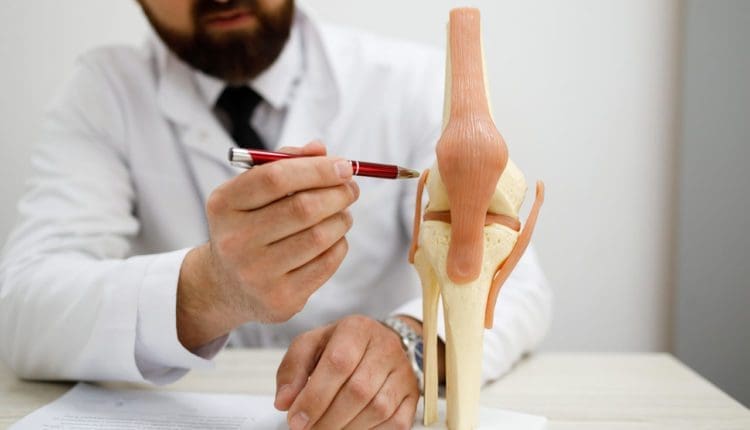
Optimal joint movement is often taken for granted until it begins to cause problems. It’s the ability to move a joint through its full, anatomically intended range of motion (ROM) in a smooth, coordinated, and pain-free manner. This is often called high-quality mobility. It combines sufficient flexibility with active control, which supports everyday tasks and sports performance (Anschutz Medical Campus, n.d.). In simple terms, optimal joint movement means your joints can bend, twist, and stretch as they are designed to, without any hitches or discomfort.
Think about it like this: Your body is like a machine with many moving parts. Each joint must function properly for the entire system to operate smoothly. When joints move optimally, you can walk, run, lift, or even just sit comfortably. But if something goes wrong, such as an injury or prolonged sitting, it can throw everything off balance. This leads to less mobility in that joint, and your body starts using other joints in ways they’re not meant to, which can cause more issues over time (NASM, n.d.).
Another way to look at it is the balance between mobility and stability. Mobility refers to active, controlled movement, whereas stability is the ability to maintain a joint in the correct position. Together, they let muscles, ligaments, and tendons function properly. Integrative chiropractic care plays a big role here. It employs spinal adjustments, soft-tissue therapy, and guidance on movement to improve joint function, reduce swelling, and enhance how the nerves and muscles work together (Mainstay Medical, n.d.). By improving how joints move, building up the muscles around them, and clearing up nerve pathways, this approach helps people move more easily, more efficiently, and with less chance of getting hurt.
The Importance of Range of Motion
Range of motion, or ROM, is how far a joint can move in different directions. For example, a healthy knee can bend from straight (0 degrees) to approximately 135 degrees, and a shoulder can lift to approximately 180 degrees above the horizontal (Verywell Health, 2023a). Normal ROM varies by joint, but it’s key for daily life. If your ROM is limited, simple tasks such as reaching for a shelf or tying your shoes become difficult.
Here are some normal ROM values for common joints, based on standard measures:
- Neck: Flexion (chin to chest) 50 degrees, extension (looking up) 60 degrees, rotation 80 degrees each way (Physiopedia, n.d.a).
- Shoulder: Flexion 180 degrees, abduction 180 degrees, internal rotation 70 degrees (Physiopedia, n.d.a).
- Elbow: Flexion 150 degrees, extension 0 degrees (Verywell Health, 2023a).
- Hip: Flexion 120 degrees, extension 30 degrees, abduction 45 degrees (Physiopedia, n.d.a).
- Knee: Flexion 135 degrees, extension 0 degrees (The GO Knee, n.d.).
- Ankle: Dorsiflexion (toes up) 20 degrees, plantarflexion (toes down) 50 degrees (Baliston, n.d.).
These numbers are derived from anatomical norms; however, individuals vary. What’s important is that your ROM allows you to do what you need without pain. Doctors assess ROM using tools such as goniometers, which measure angles precisely (Verywell Health, 2023a).
Mobility vs. Stability: Finding the Balance
Mobility and stability are like two sides of the same coin. Mobility lets you move freely, while stability keeps things steady so you don’t wobble or get injured. For instance, your ankle requires mobility to flex during walking but stability to avoid twisting on uneven ground (ACE Fitness, n.d.a).
The body follows a pattern called the joint-by-joint approach. Some joints, such as the ankle and hip, are designed for greater mobility, whereas others, such as the knee and lower back, are designed for stability (Motus Physio, n.d.). If a mobile joint becomes stiff, the stable one may attempt to move more, leading to pain or injury. This is why balanced training is crucial.
- Signs of Imbalance: Hip stiffness causing back pain, or weak shoulders leading to neck strain.
- Benefits of Balance: Better posture, more power in sports, and fewer injuries (Activ Therapy, n.d.).
Exercises that build both, like yoga or weight training, help maintain this balance (Royal City Physio, n.d.).
How Injuries and Sedentary Behavior Disrupt Joint Movement
Injuries, such as a sprained ankle or a torn ligament, can cause scar tissue formation and limit ROM. Sedentary behavior—sitting all day—makes muscles tight and joints stiff (Dr. OngKeeLeong, n.d.). Over time, this causes compensatory movements, in which other parts of the body overwork to compensate (Physical Therapy FitMJC, n.d.).
Your lower back may bend more if your hip is stiff, for instance, which could cause pain in that area. Prolonged immobility due to injury can exacerbate this, creating a cycle of reduced movement and increased stiffness (Frozen Shoulder Clinic, n.d.). Studies show that physical inactivity is associated with conditions such as arthritis, in which joints swell and become painful (Arthritis Foundation, n.d.).
Clinical observations from Dr. Alexander Jimenez, DC, APRN, FNP-BC, highlight this. In his practice, he sees many patients with reduced mobility from auto accidents or sports injuries. He notes that untreated imbalances in muscles and gait patterns lead to chronic pain and limited ROM. Through his integrative approach, he employs techniques such as the muscle energy technique (MET) to address these issues, restoring natural movement and preventing further complications. Dr. Jimenez emphasizes that early intervention with chiropractic adjustments and rehab exercises can break this cycle, helping patients regain full function.
Benefits of Optimal Joint Movement
Having good joint movement isn’t just about avoiding pain—it’s about living better. Here are some key benefits:
- Daily Function: Easier to do chores, play with kids, or garden without strain (OneStep, n.d.).
- Athletic Performance: Greater ROM is associated with greater power, speed, and agility in sports (Activ Therapy, n.d.).
- Injury Prevention: Flexible, stable joints better handle stress, reducing risk (Anschutz Medical Campus, n.d.).
- Pain Relief: Reduces pain associated with chronic conditions such as arthritis by maintaining joint lubrication (Arthritis Foundation, n.d.).
- Better Walking and Balance: Improves gait, which affects overall health, even brain function (Baliston, n.d.).
- Long-Term Health: Maintains independence as you age, preventing falls (Chesapeake Regional, n.d.).
Research shows that regular physical activity helps maintain joint health by increasing blood flow and nutrient delivery (Smart Sports Med, n.d.).
Assessing and Improving Joint Mobility
To check if your joints are moving well, look at “end-feel”—how a joint feels at the end of its ROM. Normal end-feel is soft or firm, not painful or empty (Physiopedia, n.d.b).
If you have deficits, start with simple tests: Can you touch your toes? Raise your arms overhead? If not, it might be a ROM issue (Physical Therapy FitMJC, n.d.).
Ways to improve:
- Stretching: Daily routines for flexibility, like shoulder rolls or knee bends (Chesapeake Regional, n.d.).
- Strength Training: Builds muscles for stability, using weights or bodyweight exercises (ACE Fitness, n.d.b).
- Mobility Drills: Multi-joint moves like squats or lunges (Royal City Physio, n.d.).
- Walking: Boosts ankle and hip ROM, plus overall circulation (Baliston, n.d.).
- Yoga or Pilates: Combines mobility and stability (Muscle and Motion, n.d.).
For arthritis, low-impact activities such as swimming are beneficial without causing stress (Arthritis Foundation, n.d.).
The Role of Integrative Chiropractic Care
Integrative chiropractic care goes beyond just cracking backs. It includes adjustments to realign the spine, soft-tissue work (e.g., massage), and exercise recommendations. This restores joint function and reduces inflammation (Rodgers Stein Chiropractic, n.d.a).
Chiropractors, such as Dr. Jimenez, employ a whole-body approach. He integrates functional medicine to address root causes, such as nutrition or stress affecting joints. His clinic offers programs for sciatica or hip pain, using manual adjustments to improve ROM and muscle balance.
Benefits include:
- Enhanced Flexibility: Adjustments free up stuck joints (TXMAC, n.d.).
- Better Neuromuscular Coordination: Clears nerve paths for smoother movement (Evolved Health Chiropractic, n.d.).
- Long-Term Joint Health: Prevents wear and tear (Duca Chiropractic, n.d.).
- Pain-Free Mobility: Helps with daily tasks (Core Integrative Health, n.d.).
Studies support the conclusion that manual therapy, such as mobilization, helps maintain joint health (Smart Sports Med, n.d.).
Clinical Insights from Dr. Alexander Jimenez
Dr. Alexander Jimenez, based in El Paso, Texas, has extensive experience in treating joint issues. As a chiropractor and nurse practitioner, he observes that many mobility problems stem from lifestyle factors such as poor diet or physical inactivity. In his blog, he discusses how gait patterns affect joints and uses MET to address imbalances to improve walking and running.
He notes that auto accident victims often lose shoulder or neck ROM, but with chiropractic care, they regain it quickly. For athletes, he stresses agility training to maintain optimal movement. His approach includes dietary interventions to reduce inflammation, thereby facilitating joint healing. Testimonials from his patients indicate improved mobility following treatment for back pain or knee injuries, enabling them to return to active lives.
Dr. Jimenez also highlights the gut-spine connection: Poor gut health can lead to joint inflammation. His detoxification programs and exercises aim to restore this balance to improve overall mobility.
Joint Movement During Activities Like Walking
During gait, joints work in sequence: Ankles flex, knees bend, and hips extend. Good ROM ensures efficient steps (Physiopedia, n.d.c). Limited ankle mobility can lead to knee or back problems (Baliston, n.d.).
To optimize:
- Warm-Ups: Light walks before exercise.
- Proper Footwear: Supports natural movement.
- Strengthen Core: For stability.
Challenges in Specific Joints
The shoulder is the most mobile joint, but is prone to instability (Indy Spine, n.d.). For squatting or climbing, the knees require a functional range of motion (The GO Knee, n.d.).
In frozen shoulder, prolonged immobility reduces ROM, whereas therapy improves it (Frozen Shoulder Clinic, n.d.).
The Kinetic Chain and Overall Movement
The kinetic chain is the sequence of body parts that link during movement. Imbalance in one joint affects others (OMassageT, n.d.). Optimal movement requires mobility and stability throughout (ACE Fitness, n.d.a).
Eight Components of Movement Health
Movement health includes flexibility, strength, coordination, and more (Stretch Affect, n.d.). Focusing on these ensures joints stay optimal.
Conclusion
Optimal joint movement is essential for a healthy, active life. By understanding its definitions, balancing mobility and stability, and employing integrative chiropractic care, you can maintain it. Insights from experts such as Dr. Jimenez show that personalized care makes a significant difference. Start with simple exercises and seek professional help if needed to maintain mobility.
References
ACE Fitness. (n.d.a). Stability vs. mobility: What’s the difference?
ACE Fitness. (n.d.b). Joint mobility and stability.
Activ Therapy. (n.d.). Why improve joint movement for sporting success.
Anschutz Medical Campus. (n.d.). Flexibility, mobility, stability and injury prevention.
Arthritis Foundation. (n.d.). 8 ways exercise helps joints.
Baliston. (n.d.). How does your range of motion impact your quality of walking.
Bernstein, J. (n.d.). Integrated fixation.
Chesapeake Regional. (n.d.). Exercise to improve your arthritis symptoms.
Core Integrative Health. (n.d.). Chiropractic care: Moving freely with great range of motion.
DrOngKeeLeong. (n.d.). Improve shoulder mobility.
Duca Chiropractic. (n.d.). The benefits of chiropractic care for long-term joint health.
Frozen Shoulder Clinic. (n.d.). MUA frozen shoulder.
Indy Spine. (n.d.). The shoulder: The most mobile and troublesome joint in the body.
Jimenez, A. (n.d.). Dr. Alex Jimenez’s website.
Mainstay Medical. (n.d.). Relationship between joint mobility and stability.
Motus Physio. (n.d.). The joint-by-joint approach to physiotherapy: Understanding knee pain.
Muscle and Motion. (n.d.). Mobility: The key to optimal movement.
Musculoskeletal Key. (n.d.). Assessment and classification of uncontrolled movement.
NASM. (n.d.). Mobility and stability: Joint functions when we move.
OMassageT. (n.d.). Understanding the kinetic chain: How body structure affects movement.
OneStep. (n.d.). The importance of range of motion.
Peninsula WP. (n.d.). How integrative chiropractic care connects movement and recovery.
Physical Therapy FitMJC. (n.d.). How to figure out if you have a range of motion deficit.
Physiopedia. (n.d.a). Range of motion normative values.
Physiopedia. (n.d.b). End-feel.
Physiopedia. (n.d.c). Joint range of motion during gait.
Rodgers Stein Chiropractic. (n.d.a). Why do adjustments enhance mobility and flexibility.
Rodgers Stein Chiropractic. (n.d.b). 5 ways chiropractic adjustments enhance flexibility.
Royal City Physio. (n.d.). Flexibility vs. mobility: They are different and what you should know.
Smart Sports Med. (n.d.). Enhancing joint health: The role of joint mobilization in manual therapy.
Stretch Affect. (n.d.). The eight components to movement health.
The GO Knee. (n.d.). Understanding knee range of motion.
Trainerize. (n.d.). Understanding normal ranges of motion.
TXMAC. (n.d.). Why choose chiropractic for enhanced flexibility.
Verywell Health. (2023a). What is normal range of motion in a joint.
Post Disclaimer
Professional Scope of Practice *
The information on this blog site is not intended to replace a one-on-one relationship with a qualified healthcare professional or licensed physician and is not medical advice. We encourage you to make healthcare decisions based on your research and partnership with a qualified healthcare professional.
Blog Information & Scope Discussions
Welcome to El Paso's Premier Wellness and Injury Care Clinic & Wellness Blog, where Dr. Alex Jimenez, DC, FNP-C, a board-certified Family Practice Nurse Practitioner (FNP-BC) and Chiropractor (DC), presents insights on how our team is dedicated to holistic healing and personalized care. Our practice aligns with evidence-based treatment protocols inspired by integrative medicine principles, similar to those found on this site and our family practice-based chiromed.com site, focusing on restoring health naturally for patients of all ages.
Our areas of chiropractic practice include Wellness & Nutrition, Chronic Pain, Personal Injury, Auto Accident Care, Work Injuries, Back Injury, Low Back Pain, Neck Pain, Migraine Headaches, Sports Injuries, Severe Sciatica, Scoliosis, Complex Herniated Discs, Fibromyalgia, Chronic Pain, Complex Injuries, Stress Management, Functional Medicine Treatments, and in-scope care protocols.
Our information scope is limited to chiropractic, musculoskeletal, physical medicine, wellness, contributing etiological viscerosomatic disturbances within clinical presentations, associated somato-visceral reflex clinical dynamics, subluxation complexes, sensitive health issues, and functional medicine articles, topics, and discussions.
We provide and present clinical collaboration with specialists from various disciplines. Each specialist is governed by their professional scope of practice and their jurisdiction of licensure. We use functional health & wellness protocols to treat and support care for the injuries or disorders of the musculoskeletal system.
Our videos, posts, topics, subjects, and insights cover clinical matters and issues that relate to and directly or indirectly support our clinical scope of practice.*
Our office has made a reasonable effort to provide supportive citations and has identified relevant research studies that support our posts. We provide copies of supporting research studies available to regulatory boards and the public upon request.
We understand that we cover matters that require an additional explanation of how they may assist in a particular care plan or treatment protocol; therefore, to discuss the subject matter above further, please feel free to ask Dr. Alex Jimenez, DC, APRN, FNP-BC, or contact us at 915-850-0900.
We are here to help you and your family.
Blessings
Dr. Alex Jimenez DC, MSACP, APRN, FNP-BC*, CCST, IFMCP, CFMP, ATN
email: [email protected]
Licensed as a Doctor of Chiropractic (DC) in Texas & New Mexico*
Texas DC License # TX5807
New Mexico DC License # NM-DC2182
Licensed as a Registered Nurse (RN*) in Texas & Multistate
Texas RN License # 1191402
ANCC FNP-BC: Board Certified Nurse Practitioner*
Compact Status: Multi-State License: Authorized to Practice in 40 States*
Graduate with Honors: ICHS: MSN-FNP (Family Nurse Practitioner Program)
Degree Granted. Master's in Family Practice MSN Diploma (Cum Laude)
Dr. Alex Jimenez, DC, APRN, FNP-BC*, CFMP, IFMCP, ATN, CCST
My Digital Business Card

Comments are closed.