
Regenerative Medicine Advancements for Musculoskeletal Health

Transform your approach to musculoskeletal health with regenerative medicine techniques aimed at healing and recovery.
Table of Contents
Abstract
I am Dr. Alex Jimenez, DC, APRN, FNP-BC, CFMP, IFMCP, ATN, CCST. In this educational post, I present a comprehensive, first-person journey through modern integrative and regenerative medicine, grounded in evidence and clinical practice. I explain how we blend integrative chiropractic care, Internal Medicine oversight, functional medicine, personal injury rehabilitation, and advanced orthobiologics to address musculoskeletal pain, immune dysregulation, cellular dysfunction, pelvic floor weakness, and fibrotic remodeling. I showcase the latest findings from leading researchers on mesenchymal stem cells (medicinal signaling cells), exosomes, Wharton’s jelly matrices, umbilical cord-derived biologics, menstrual-derived stem cells and secretomes, antifibrotic signaling, microRNA regulation, angiogenesis, vagal modulation, gut-brain-thyroid dynamics, and sarcopenia. I detail how our multidisciplinary clinic model integrates the roles of chiropractor and medical doctor: I serve as the clinical lead for chiropractic and functional medicine, while Dr. Maria Guadalupe Cardenas, MD (Board Certified in Internal Medicine; NPI #1164426749; Texas MD License #J2933) serves as our Medical Director and Collaborative Physician at Injury Medical Clinic PA (also known as Mission Plaza Injury Medical Clinic), in El Paso, Texas. I provide clear protocols, rationale, and safety considerations for joint stabilization, ligamentous laxity correction, peripheral and spinal injections, pelvic floor HIFEM therapy, allergy testing and immunotherapy, and rehabilitation frameworks, while thoroughly explaining physiological underpinnings (inflammation, mechanotransduction, immune resolution, ECM remodeling, mitochondrial function, neural pain modulation). Throughout, I weave in clinical observations from my practice, published insights, and patient-centered narratives drawn from WellnessDoctorRx and my professional profile. My goal is to make complex science accessible and actionable, demonstrating how integrative chiropractic care fits into modern regenerative and functional healing for durable outcomes.
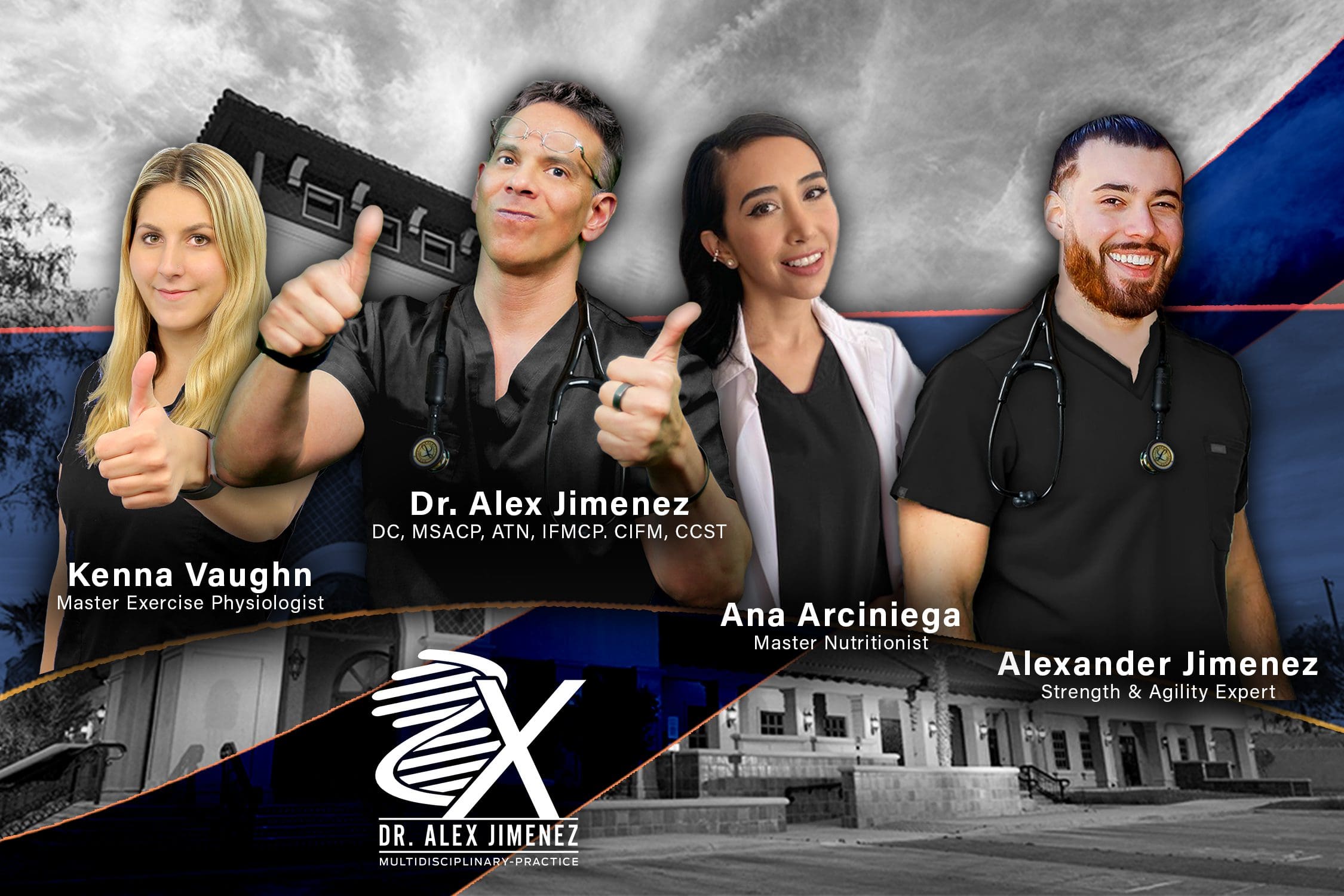
Meet Our Integrative Team And Care Philosophy
I built our clinic on the principle that true healing happens when we treat the whole person—structure, biochemistry, neurology, and life context—within a coordinated, medically supervised model. Our multidisciplinary setup is foundational to our outcomes and reflects the standards of modern integrative injury care clinics.
- Medical Director and Collaborative Physician: Dr. Maria Guadalupe Cardenas, MD
-
- Board Certified in Internal Medicine
- NPI #1164426749
- Texas MD License #J2933
- Over 40 years of Internal Medicine experience
- Provides medical oversight, diagnostics, safety governance, and interventional guidance
- Integrative Chiropractic Care: Led by me, Dr. Alex Jimenez, DC, APRN, FNP-BC, CFMP, IFMCP, ATN, CCST
-
- Advanced chiropractic techniques, spinal and extremity joint care
- Biomechanics, functional movement, neuromuscular rehabilitation
- Pain neuroscience education and graded exposure protocols
- Functional Medicine: Systems biology and root-cause analysis
-
- Nutrition, mitochondrial function, detoxification support, gut health
- Endocrine and HPA-axis modulation, stress and sleep optimization
- Regenerative Medicine (Orthobiologics):
-
- Human cellular tissue products (HCT/Ps), umbilical cord-derived matrices, exosomes
- Precision injection protocols for joint stability, ligamentous repair, tendon healing
- Cell-free secretome insights for anti-inflammatory and antifibrotic modulation
- Personal Injury Care and Rehabilitation:
-
- Post-accident diagnostics, graded exercise, neuromotor re-education
- Ergonomics, tissue remodeling timelines, return-to-activity planning
- Pelvic Floor Therapy:
-
- High-intensity focused electromagnetic (HIFEM) supramaximal contractions
- Non-invasive protocols to restore continence, sexual function, core stability
This synergy allows me to focus on integrative chiropractic and functional medicine while Dr. Cardenas ensures medical safety, diagnostic precision, and coordinated care pathways—essential when deploying advanced therapies.
Why I Chose Integrative Regenerative Care
For two decades, I watched patients follow a predictable and often disappointing path: physical therapy, NSAIDs, corticosteroid shots, and “wait until you’re older” for joint replacement. Those tools can help, but in chronic conditions they often suppress symptoms and undermine long-term tissue quality. I searched for better answers. Around 2012, I immersed myself in regenerative medicine and functional medicine communities (e.g., AOAPRM), learning from clinicians dedicated to genuine healing.
My own body is proof of concept. I have trained as a gymnast and martial artist since age nine; at 56, my knees feel stronger than they did a decade ago. Integrative strategies—hormonal optimization, IV therapies, ozone therapy, red light therapy, orthobiologics, functional nutrition, chiropractic stabilization—have kept me active and resilient. The lesson is simple: we are not prisoners of age; we can re-engage healing cycles when we align structure, physiology, and smart intervention with a calm, medically supervised framework.
Understanding Chronic Pain: The Broken Healing Cycle
When pain persists, the healing cycle has broken down. From my clinical vantage, four drivers recur:
- Chemical irritation: Low-grade systemic inflammation from diet, toxins, stress
- Tissue damage: Unresolved microtrauma and partial tears that didn’t fully repair
- Mechanical stress: Misalignment, instability, repetitive strain that reinjures tissues
- Nerve injury/sensitization: Heightened nociception, aberrant neural signaling
Age and lifestyle determine our repair capacity. Genes matter less than environment; even with predispositions, healthy inputs can prevent expression. The conventional model often perpetuates this break by chronic anti-inflammatory suppression (NSAIDs/steroids) that blunt the regulated, necessary early inflammatory phase of healing. In contrast, integrative chiropractic and regenerative care aim to restore the cycle—structural integrity, guided inflammatory resolution, angiogenesis, and staged tissue remodeling.
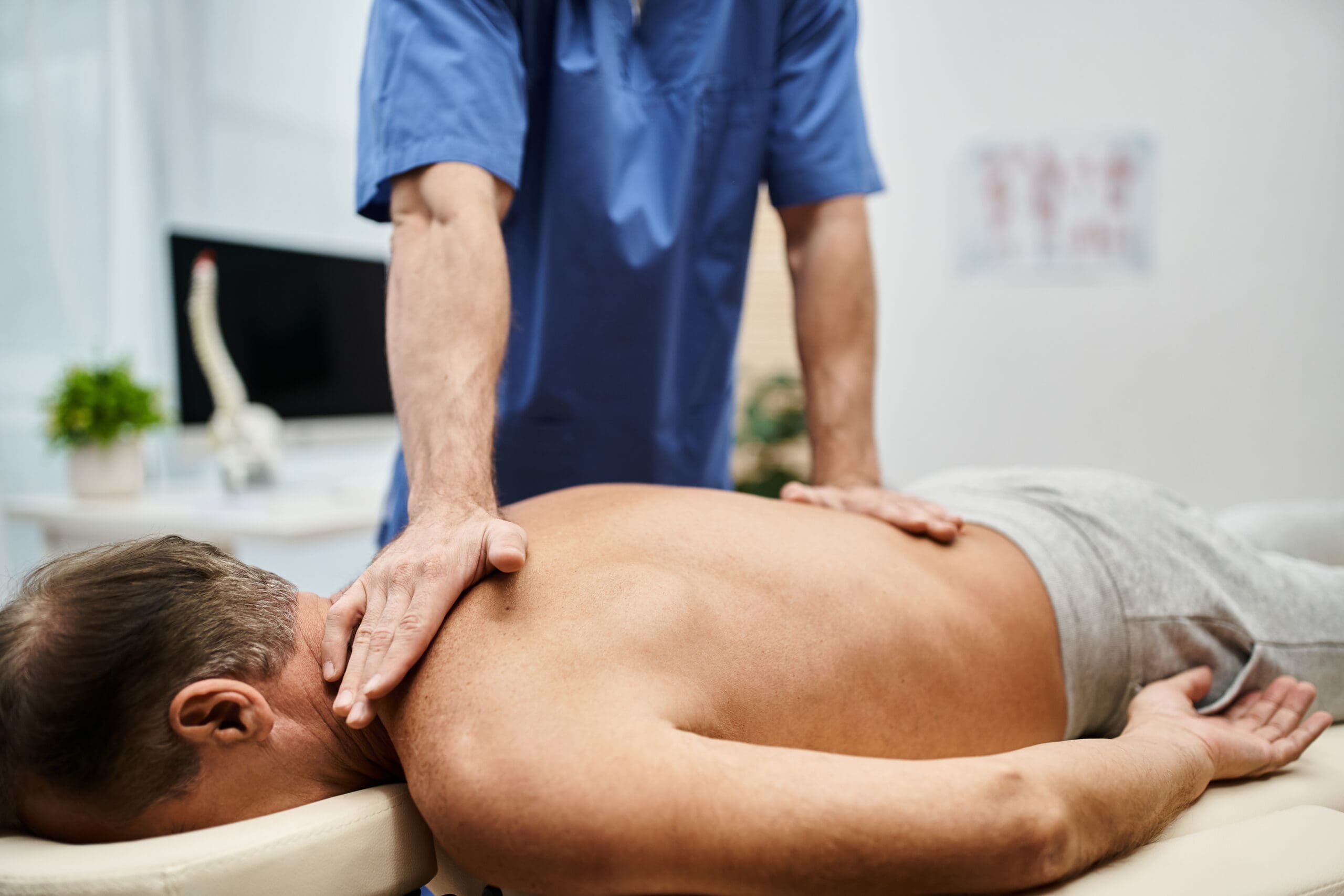
Integrative Chiropractic Care: The Structural Foundation
I value chiropractic because structure and function are inseparable. A joint is only as strong as its weakest ligament. If an adjustment “doesn’t hold,” it often signals connective tissue insufficiency—lax ligaments and tendons around unstable joints. My approach:
- Thorough history and physical: Listen deeply, palpate precisely (“My Reproducibility Instrument”), reproduce the patient’s pain to confirm source
- Assess instability: Varus/valgus stress, Lachman, anterior/posterior drawer, SI provocation tests
- Rule out red flags: Rapid weight loss, night sweats, recurrent fevers; consider MRI with/without contrast; in cancer histories (breast, lung, thyroid, kidney, prostate), screen for metastasis before manual therapies or injections.
- Diagnostic lidocaine test: A tiny 1% lidocaine at a tender ligament point temporarily removes pain; if relief is immediate,we’vee localized the pain generator—ligament, tendon, capsule—rather than bone or disc
When instability exists, adjustments alone won’t stabilize a “loose hinge.” We must “tighten the hinges” (ligaments/tendons). Integrative chiropractic fits seamlessly with orthobiologic injections and targeted exercise to restore passive and active stability—so adjustments begin to “hold” and the degenerative loop breaks.
Orthobiologics: How Natural Biologics Reboot Healing
Regenerative medicine is refined tissue engineering. Orthobiologics act through several coordinated mechanisms that I see repeatedly in practice:
- Cut down inflammatory cytokines: Rapid relief from chronic destructive signals
- Immunomodulation: Reprogram immune balance toward pro-healing phenotypes (M1 to M2 macrophage shift)
- Neuro-calming: Soothe hyper-excitable nociceptive fibers that perpetuate pain
I avoid sensational “stem cell cure” claims; I use precise language—orthobiologics, regenerative medicine, human cellular tissue products (HCT/Ps). Mesenchymal stem cells are better understood as Medicinal Signaling Cells (MSCs), the “job foremen” orchestrating the healing cascade via paracrine signaling rather than turning directly into target tissues.
The Five Stages Of Regeneration: A Biological Symphony
True repair is staged and time-bound. I set expectations:
- Homing signal (paracrine effect): Injected biologics broadcast “come here” cues to resident repair cells
- Influx of host stem cells: Your own dormant progenitors migrate and gather
- Proliferation: Repair cells expand to critical mass
- Differentiation: Cells specialize (chondrocytes, tenocytes, osteoblasts) guided by local cues
- Remodeling: Collagen organizes (from “wet pasta” to aligned fibers), cross-linking strengthens, angiogenesis matures
Initial pain relief often comes in 2–3 weeks from immunomodulation. Structural remodeling can take months. I once felt amazing 48 hours after a back treatment and impulsively hiked nine miles—too much, too soon. Healing honors biology. Our guidance prevents setbacks.
Why Perinatal Umbilical Cord Tissue? The Power Of Youth
I often select umbilical cord-derived HCT/Ps (Wharton’s jelly matrices) because ounce-for-ounce they contain high densities of youthful signaling and supportive scaffolding:
- Potency and density: MSC ratios decline with age (Caplan, 2017): near-birth 1/10,000; teens 1/100,000; 50s ~1/400,000; 80s ~1/2,000,000
- Ethical sourcing: Donated after full-term births with informed consent; not fetal tissue; historically discarded “waste” now recognized as biologic gold
- Avoid autologous limitations: Older bone marrow/adipose harvests carry invasiveness, infection risk, and reduced cell responsiveness compared to day-one biology.
Wharton’s jelly provides a complete regenerative matrix—growth factors, matrix peptides, carbohydrates, amino acids, mRNA/miRNA, and hyaluronic acid (HA) for immediate shielding and lubrication, analogous to viscosupplementation but within a living bioactive milieu.
Exosomes And Secretomes: Precision Cellular Messaging
Exosomes—nanometer-scale extracellular vesicles—carry growth factors, mRNA, and microRNA (miRNA), the short strands that regulate gene expression. In inflamed joints, miRNA can insert” junk code” into inflammatory templates, shutting down overproduction of pain-driving proteins. Their small size allows them to cross the blood-brain barrier, making them valuable in CNS-related issues (post-concussion, brain fog, tremor). In practice, combining live cells with exosomes accelerates relief and rehabilitation engagement.
- VEGF: Supports angiogenesis for poorly vascularized tissues (ligaments, cartilage)
- PDGF: Drives cellular proliferation and wound repair
- Mitochondrial exchange: Through tunneling nanotubes, MSCs can donate “powerhouses” to struggling host cells, restoring ATP capacity
The clinical outcomes validate the mechanism: quicker pain control, better tissue perfusion, and faster engagement with corrective exercises.
Creating The Right Internal Environment: Functional Medicine As Fertile Soil
I can inject the finest biologics, but seeds won’t grow in toxic soil. Before orthobiologics, we assess and optimize:
- Glycemic control: Reduce insulin resistance and glycemic variability
- Inflammation: Lower hs-CRP, homocysteine; eliminate pro-inflammatory foods
- Nutrient sufficiency: Vitamin D, magnesium, omega-3s, collagen precursors (glycine, proline), zinc, copper
- Gut integrity: Heal leaky gut, modulate dysbiosis; lower LPS translocation that fuels systemic inflammation
- Stress and sleep: Normalize HPA axis, improve sleep architecture for growth hormone-mediated repair
These inputs are non-negotiable—otherwise, biologics “fight fires” in a burning building. Functional medicine fertilizes the soil; orthobiologics coordinate the rebuild.
Injection Day: Preparation, Calm, Accuracy
Speed is fine; accuracy is final. Once biologics are thawed, the clock runs. My mantra:
- Make the patient wait for the product, not the product for the patient: Cleaned, draped, consented, comfortable before thawing
- Red light priming: Brief near-infrared exposure to energize mitochondria
- Project calm: The captain’s demeanor sets physiology; avoid chaos that risks vasovagal events
- Hydration and sleep: Reschedule if sleep-deprived/dehydrated
I draw upon decades of clinical pattern recognition and technical precision to ensure products reach their intended targets safely.
Safety And Contraindications: Medical Oversight Matters
Under Dr. Cardenas’ supervision, we manage risks:
- Anticoagulants: Ideally paused per half-life, always coordinated with cardiology; supplement review (turmeric, ashwagandha, fish oil) for bleeding risk
- Cancer: Active cancer is a hard contraindication; in remission, five years is my general buffer with imaging when needed
- Chemotherapy: Prefer two weeks post-chemo before interventions
- Hardware caution: Use ultrasound guidance to avoid prostheses and reduce catastrophic infection risk
Her Internal Medicine governance ensures safe protocols across complex comorbidities.
Clinical Decision-Making: Who Is A Good Candidate?
I teach practical heuristics with imaging and palpation:
- Partial-thickness rotator cuff tears: Excellent regenerative candidates; intact scaffolding
- Complete retracted cuff tears: Surgical; injections cannot reconnect severed, retracted tendon ends
- Meniscal tears: Great targets; include MCL and medial compartment stabilizers
- End-stage osteoarthritis (bone-on-bone): Honest counsel toward joint replacement when labrum and cartilage are gone; we can help with pain and motion but cannot rebuild missing mechanical components.
The aim is truth and timing: intervene early enough to direct biology; acknowledge limits when structural absence precludes conservative repair.
Knee Care: The Best”“First Joint” For Regenerative Success
The knee’s hinge mechanics make it predictable. Yet details matter:
- Don’t assume intra-articular pain: Many knees hurt from extra-articular sources (MCL laxity, pes anserine bursitis)
- Test all stabilizers: ACL (Lachman), collateral ligaments (varus/valgus), patellar tracking, tendinous insertions
- Dose concentration: Do not dilute products to “treat the whole back”; focus on primary pain generator for meaningful change, then stage subsequent areas
When we stabilize ligaments and nourish cartilage, degenerative grinding slows or stops.
Post-Surgical Pain: The “Plastic Knee” Paradox
Patients may hurt after total knee replacement despite “perfect X-rays.” Titanium has no nociceptors; pain originates from stretched collateral ligaments, tendons, and capsule:
- Valgus/varus laxity: Often present from intraoperative distraction and patellar dislocation
- Treat soft tissues: Inject around MCL/LCL, pes anserine, hamstring attachments; ultrasound-guided to avoid hardware
- Spinal fusions with instrumentation: Work above or below instrumentation levels safely
We restore stability to peri-prosthetic soft tissues; pain declines as the sleeve tightens.
Shoulder Stabilization: A Balancing Act
Shoulders are responsive when you target the right structures:
- Palpation map: SC joint, AC joint, bicipital groove, supraspinatus/infraspinatus insertions
- Tests: Hawkins-Kennedy (impingement), empty can (supraspinatus), resisted rotations, O’Brien’s (labrum)
- Injections: Intra-articular for global milieu; targeted tendon/capsule dosing for localized pathology
- Myth dispelled: Shoulders do respond—if you address the entire stabilizing network and substitution patterns
Our ultrasound-guided precision builds stability, function, and durable motion.
Elbow Mastery: Beyond The Common Extensor Tendon
Tennis elbow is not just extensor tendinopathy. Often, the annular ligament is lax, allowing radial head micromotion:
- Two-pronged approach: Treat tendinosis at lateral epicondyle and inject annular ligament to restore radioulnar joint stability
- Nerve safety:
-
- Ulnar nerve: Keep arm straighter; mark “danger” zone posterior to medial epicondyle
- Radial nerve: Pronate forearm to move nerve posteriorly during lateral injections
Tighten the passive stabilizer; heal the dynamic overworker. The dual strategy yields robust and lasting results.
Foot And Ankle: Proprioceptive Masterpieces
Small ligament problems lead to large instability cascades:
- ATFL: The most common inversion sprain target; stabilize lateral ankle
- Syndesmosis (“high ankle” sprain): Treat tibiofibular stabilizers
- Spring ligament: Essential for medial arch integrity
- Morton’s neuroma: Not just an inflamed nerve—often lax transverse metatarsal ligaments bang heads together, compressing interdigital nerve; tighten ligaments and calm nerve
When we restore ligament stiffness and positional integrity, proprioception recalibrates, and pain signals decline.
Hip Complexity: Dose Heavier, Plan Longer
Hips require higher dosing and nuanced strategies:
- Intra-articular: Avoid high-volume”“hydrodissection” that stretches capsule painfully; opt for potent but modest volumes
- Peri-hip structures: Address quad tendons, capsule ligaments, gluteal tendons
- Avascular necrosis (AVN): Consider regenerative angiogenesis support; it may be the last conservative option before arthroplasty
- Pain differentiation:
-
- Intra-articular hip pain: Groin-deep ache with internal rotation
- Greater trochanteric pain: Often gluteal tendinosis, not bursa
- Posterior “hip” pain: Often SI joint, not hip
Stabilize the entire lumbopelvic engine; hips respond better when the kinetic chain is aligned and loaded properly.
SI Joint And Lumbar Facets: Under-Appreciated Pain Generators
SI joints are massive contributors to “low back pain.” Hackett’s points help target ligamentous attachments:
- Facet injections: Safest approach is lateral-to-medial; peri-facet dosing is effective even when direct capsule penetration is challenging
- Iliolumbar ligaments: Critical to stabilize lumbopelvic mechanics
- Supraspinous/interspinous ligaments: For advanced cases
- Imaging humility: Asymptomatic people show many”“abnormalities” on imaging; trust your exam first (Jensen et al., 1994; Wiesel et al., 1984)
We rebuild stability and shift mechanotransduction away from stiffness loops that perpetuate nociception.
Cervical Spine Safety: Know Your Boundaries
The cervical spine demands respect:
- Do not inject above C2: Vertebral arteries raise catastrophic risk
- Lateral approaches: Half-cc perifacet dosing; regenerative products spread like “smoke grenades” to inflamed regions
- Occipital ridge: Safe, effective “pepper-line” treatment for cervicogenic headaches; tendon insertions relax, pain abates
Anatomical vigilance and dosing prudence prevent rare but severe complications.
Post-Procedure Care: Sustain The Gains
Day-after follow-up builds confidence; avoid NSAIDs. I recommend:
- Analgesia: Tramadol or Tylenol #3 if needed
- Adjuncts: Acupuncture, shockwave, red light, gentle massage
- Chiropractic timing: Delay direct adjustments at the treated area for 3–4 weeks; adjust other areas as needed
- Needle phobia strategies: Smallest gauge, ethyl chloride spray, “touch and slide” exhalation entry
Patient reassurance and incremental loading protect remodeling tissues and improve outcomes.
Non-Invasive Modalities: Stem Wave, Shockwave, PEMF, Peptides
Some patients avoid injections. We still have strong tools:
- Shockwave (ESWT): Promotes angiogenesis, modulates inflammation, stimulates collagen synthesis, analgesic on nerve endings
- PEMF: Electromagnetic fields optimize mitochondrial ATP output and cellular signaling
- Peptides: BPC-157, TB-500 to support angiogenesis, collagen formation, and tissue protection; integrate cautiously in medically complex cases
Layer these with chiropractic stabilization and functional medicine for robust non-needle regenerative support.
Pelvic Floor Revolution: HIFEM For Continence, Sexual Health, Core Stability
Pelvic floor dysfunction affects men and women. Traditional Kegels are often ineffective due to difficulty isolating deep pelvic muscles and, in some cases. HIFEM chairs deliver supramaximal contractions—the equivalent of thousands of perfectly targeted contractions in 28 minutes:
- Mechanism: Electromagnetic depolarization bypasses voluntary control limits; induces hypertrophy, hyperplasia, and neuromuscular re-education
- Phased sessions: Short cycles of contraction and relaxation to flush lactic acid and address hypertonicity
- Candidates: Postpartum women, peri/postmenopausal women, post-prostatectomy men, athletes, older adults seeking independence
- Non-negotiable safety: Avoid in patients with pacemakers/defibrillators/pain pumps, pelvic metal implants, copper IUDs; require post-surgical clearance
- Protocol: Six sessions over three weeks; maintenance thereafter
- Clinical gains: Measured by “litmus tests”—jump rope without leakage, pad-free days, sneeze confidence, improved sexual function
I integrate pelvic floor strengthening into core canister care (diaphragm, abdominal wall, paraspinals). Pain reduction and lumbopelvic stability improve when the “bottom of the canister” is strong.
Allergy Testing And Immunotherapy: Unmasking A Hidden Inflammatory Burden
More than half of patients have underlying allergies fueling systemic inflammation. Our streamlined, in-office allergy program delivers:
- Percutaneous skin scratch test: 72 regional allergens; rapid “wheal and flare” results in ~20–30 minutes; 90% coverage by commercial insurers, Medicare, Tricare
- Immunotherapy: Disease-modifying desensitization
-
- SCIT (shots): Weekly in-clinic dosing fits chiropractic cadence
- SLIT (sublingual): Home-based, safer, affordable; strong option for convenience
- Mechanism: Shift from IgE-driven hyperreactivity toward IgG4 blocking antibodies and regulatory T-cells; lower cytokine storms that amplify pain thresholds and brain fog
Lowering allergic inflammation supports chiropractic outcomes; patients report improved energy, cognition, and pain tolerance when immune overload diminishes.
Gut-Brain-Thyroid Axis: Cell Dysfunction And Neuroinflammation
Chronic disease reflects cellular dysfunction—a mismatch between nutrient sufficiency and toxin load. The vagus nerve superhighway carries 80–90% afferent input from gut to brain; dysbiosis and leaky gut (zonulin-mediated tight junction disruption) allow LPS into circulation, crossing the blood-brain barrier to activate microglia and induce neuroinflammation. Thyroid health interlocks:
- Thyroid impacts gut and brain: Peristalsis, gut barrier integrity, gastric acid production, neurotransmitter tone, cerebral metabolism.
- Gut impacts thyroid: Deiodinase-mediated T4-to-T3 conversion; inflammation shifts conversion toward reverse T3 and suppresses TSH signal.s
- AutoimmunityHashimoto’s’s): Molecular mimicry (e.g., gliadin) triggers cross-reactive antibodies against thyroid tissue
- HPA-axis stress: Elevated cortisol suppresses TSH, conversion, and receptor sensitivity
We run comprehensive thyroid panels (TSH, Free T3/T4, Reverse T3, TPO/TG antibodies), stool microbiome assays, organic acids, and inflammatory markers. Chiropractic care augments vagal tone, lowers sympathetic dominance, and helps reset neuroimmune feedback loops.
Sarcopenia: The Silent Driver Of Metabolic And Immune Decline
Muscle is a critical metabolic organ, a glucose sink, and an anti-inflammatory myokine factory. Loss of muscle leads to insulin resistance, metabolic syndrome, and “inflammaging.” We combat sarcopenia with:
- Assessment: BIA or DEXA body composition; grip strength; chair stands; gait speed
- Resistance training: Progressive overload activates mTOR; eccentric/isometric protocols for tendon remodeling
- Protein timing: 30–40g high-quality protein per meal; leucine-rich sources (whey, meat, fish, eggs)
- Creatine, vitamin D, omega-3: Enhance muscle synthesis, reduce inflammation
- Chiropractic integration: Optimize joint centration and movement patterns; reduce pain barriers to exercise
When patients gain lean mass, entire metabolic and inflammatory profiles improve; regenerative therapies gain a supportive systemic milieu.
Imaging And Expectations: Trust Your Hands Before The Report
I continually remind patients and clinicians: imaging can reveal “abnormalities” in asymptomatic people. Clinical correlation is essential. We use imaging to rule out red flags and confirm hypotheses—not to allow a picture to drive a plan beyond the person’s story and exam. When exam and imaging match, targeted intervention thrives.
Clinical Observations And Practice Insights
From WellnessDoctorRx and my clinical platforms, I report that:
- Patients on anti-inflammatory nutrition and structured, progressive loading show longer-lasting chiropractic gains and improved functional milestones
- Layered care (chiropractic, functional medicine, orthobiologics, pelvic floor, allergy immunotherapy) yields durable outcomes when staged according to biology
- Medical oversight by Dr. Cardenas ensures we safely serve patients with complex comorbidities, adjusting interventions to maintain safety while advancing function.
I personally measure outcomes via pain scales, ROM, strength, endurance, functional capacity tests, and patient-reported life goals (return to family activities, work, sport). These metrics drive adjustments in protocols.
Practice Operations: Communication, Leadership, Accountability
Patients fear uncertainty more than cost. We address this with:
- Structured report-of-findings: Concise, outcome-focused, anchored topatient’ss “why”
- Offer choices: Plan A (comprehensive) and Plan B (still valuable, shorter/less intensive) shift the decision from “yes/no” to “which is right for me”
- Investment language: Replace “bill/pay” with “investment in your health”
- Leadership: Keep hands on the wheel; train staff regularly; set and uphold standards
- Accountability: Protect schedule integrity; simplify processes; remove unnecessary complexity
Our clinic’s financial viability allows us to serve more people with higher quality. Underpricing devalues expertise and threatens sustainability; fair fees reflect decades of training and results.
Bringing It All Together: An Integrated Regenerative Blueprint
I design care plans that braid structure, biology, and behavior:
- Phase 1: Calm and Stabilize
-
- Chiropractic adjustments and soft tissue release to reduce nociception and restore motion
- Functional medicine “soil prep” to lower inflammation, correct deficiencies
- Orthobiologic injections targeted at primary pain generators and instability sites
- Pelvic floor HIFEM for continence/core if indicated
- Allergy testing/immunotherapy for systemic load
- Phase 2: Load And Remodel
-
- Progressive resistance training with eccentric/isometric emphasis
- Peri-joint stability exercises; gait and posture retraining
- Shockwave/PEMF adjuncts where appropriate
- Exosome boosters based on clinical response
- Phase 3: Sustain And Prevent
-
- Maintenance chiropractic for joint centration and motion hygiene
- Nutrition and sleep protocols long-term
- Periodic pelvic floor maintenance sessions
- Allergy desensitization persistence (three-year minimum preferred)
This blueprint respects fibrosis biology, mechanotransduction loops, immune resolution, angiogenesis kinetics, and tissue remodeling timelines—while aligning care with life goals.
References
- Caplan, A. I. (2017). Mesenchymal stem cells: Time to change the name! Stem Cells Translational Medicine, 6(6), 1445–1451.
- Jensen, M. C., Brant-Zawadzki, M. N., Obuchowski, N., Modic, M. T., Malkasian, D., & Ross, J. S. (1994). Magnetic resonance imaging of the lumbar spine in people without back pain. New England Journal of Medicine, 331(2), 69–73.
- Wiesel, S. W., Tsourmas, N., Feffer, H. L., Citrin, C. M., & Patronas, N. (1984). A study of computer-assisted tomography. I. The incidence of positive CAT scans in an asymptomatic group of patients. Spine, 9(6), 549–551.
- Lanzoni, G., Linetsky, E., Correa, D., Messinger, S., Um-Ikeya, T. M., Bell, D. R., … & Ricordi, C. (2021). Umbilical cord mesenchymal stem cells for COVID-19 acute respiratory distress syndrome: A double-blind, phase 1/2a, randomized controlled trial. Stem Cells Translational Medicine, 10(5), 660–673.
- Li, X., & Wang, J. (2018). The role of microRNA in inflammatory pathways of cartilage and osteoarthritis. International Journal of Molecular Sciences, 19(11), 3564.
- Madrigal, M., Rao, K. S., & Riordan, N. H. (2014). A review of therapeutic effects of mesenchymal stem cells. Osteoarthritis and Cartilage, 22, S15.
- Wang, L. T., Liu, K. J., Sytwu, H. K., Yen, M. L., & Yen, B. L. (2014). The role of the immunomodulatory properties of mesenchymal stem cells in allogeneic transplantation. Korean Journal of Internal Medicine, 29(2), 143–157.
- Andia, I., & Maffulli, N. (2019). A contemporary view of platelet-rich plasma therapies: moving from commercial to biological classification. The Journal of Bone and Joint Surgery. American Volume, 101(2), 175–186.
- Laudy, A. B., Bakker, E. W., Rekers, M., & Visser, C. E. (2015). Efficacy of platelet-rich plasma injections in osteoarthritis of the knee: a systematic review and meta-analysis. British Journal of Sports Medicine, 49(10), 657–665.
- Panero, A. J., Salt, E. J., & Darrow, M. (2019). Regenerative medicine for axial and radicular spine-related pain: a narrative review. Journal of Pain Research, 12, 979–990.
- Rabago, D., & Slattengren, A. (2019). Prolotherapy for Chronic Musculoskeletal Pain. The Journal of the American Board of Family Medicine, 32(5), 693–696.
- Spahn, G., Kahl, E., Mückley, T., Hofmann, G. O., & Klinger, H. M. (2016). The effects of a single intra-articular injection of bone marrow aspirate concentrate on the knee joint in patients with knee osteoarthritis. Archives of Orthopedic and Trauma Surgery, 136(12), 1667–1675.
- Evans, A. (2019). Menstrual fluid milieu accelerates keratinocyte wound closure in ex vivo human skin models. Journal of Dermatological Science, 93(2), 145–153.
- Cuenca, J., et al. (2018). Menstrual blood-derived stem cells enhance cutaneous wound healing via extracellular matrix remodeling. Frontiers in Physiology, 9, 145.
- Carabotti, M., Scirocco, A., Maselli, M. A., & Severi, C. (2015). The gut-brain axis: interactions between enteric microbiota, central and enteric nervous systems. Annals of Gastroenterology, 28(2), 203–209.
- Martin, C. R., Osadchiy, V., Kalani, A., & Mayer, E. A. (2018). The Brain-Gut-Microbiome Axis. Cellular and Molecular Gastroenterology and Hepatology, 6(2), 133–148.
- Knezevic, J., Starchl, C., Berisha, A. T., & Amrein, K. (2020). Thyroid-Gut-Axis: How Does the Microbiota Influence Thyroid Function?. Nutrients, 12(6), 1769.
- Cruz-Jentoft, A. J., & Sayer, A. A. (2019). Sarcopenia. The Lancet, 393(10191), 2636–2646.
- Pedersen, B. K. (2019). Physical activity and myokines. Journal of Experimental Biology, 222(Suppl 1), jeb192102.
Clinical Observations And Professional Resources
- WellnessDoctorRx: https://wellnessdoctorrx.com/
- LinkedIn: https://www.linkedin.com/in/dralexjimenez/
SEO Tags
regenerative medicine, integrative chiropractic care, Internal Medicine oversight, orthobiologics, exosomes, WWharton’sjelly, umbilical cord tissue, medicinal signaling cells, ligamentous laxity, joint instability, sacroiliac joint, facet injections, shoulder pain, tennis elbow, annular ligament, Morton’s neuroma, hip pain, avascular necrosis, pelvic floor HIFEM, urinary incontinence, sexual health, allergy testing, immunotherapy, gut-brain axis, thyroid health, sarcopenia, myokines, angiogenesis, microRNA, mechanotransduction, fibrosis, anti-inflammatory nutrition, functional medicine, Injury Medical Clinic PA, Mission Plaza Injury Medical Clinic, Dr. Maria Guadalupe Cardenas MD, Dr. Alex Jimenez DC
Post Disclaimer
Professional Scope of Practice *
The information on this blog site is not intended to replace a one-on-one relationship with a qualified healthcare professional or licensed physician and is not medical advice. We encourage you to make healthcare decisions based on your research and partnership with a qualified healthcare professional.
Blog Information & Scope Discussions
Welcome to El Paso's Premier Wellness and Injury Care Clinic & Wellness Blog, where Dr. Alex Jimenez, DC, FNP-C, a board-certified Family Practice Nurse Practitioner (FNP-BC) and Chiropractor (DC), presents insights on how our team is dedicated to holistic healing and personalized care. Our practice aligns with evidence-based treatment protocols inspired by integrative medicine principles, similar to those found on this site and our family practice-based chiromed.com site, focusing on restoring health naturally for patients of all ages.
Our areas of chiropractic practice include Wellness & Nutrition, Chronic Pain, Personal Injury, Auto Accident Care, Work Injuries, Back Injury, Low Back Pain, Neck Pain, Migraine Headaches, Sports Injuries, Severe Sciatica, Scoliosis, Complex Herniated Discs, Fibromyalgia, Chronic Pain, Complex Injuries, Stress Management, Functional Medicine Treatments, and in-scope care protocols.
Our information scope is limited to chiropractic, musculoskeletal, physical medicine, wellness, contributing etiological viscerosomatic disturbances within clinical presentations, associated somato-visceral reflex clinical dynamics, subluxation complexes, sensitive health issues, and functional medicine articles, topics, and discussions.
We provide and present clinical collaboration with specialists from various disciplines. Each specialist is governed by their professional scope of practice and their jurisdiction of licensure. We use functional health & wellness protocols to treat and support care for the injuries or disorders of the musculoskeletal system.
Our videos, posts, topics, subjects, and insights cover clinical matters and issues that relate to and directly or indirectly support our clinical scope of practice.*
Our office has made a reasonable effort to provide supportive citations and has identified relevant research studies that support our posts. We provide copies of supporting research studies available to regulatory boards and the public upon request.
We understand that we cover matters that require an additional explanation of how they may assist in a particular care plan or treatment protocol; therefore, to discuss the subject matter above further, please feel free to ask Dr. Alex Jimenez, DC, APRN, FNP-BC, or contact us at 915-850-0900.
We are here to help you and your family.
Blessings
Dr. Alex Jimenez DC, MSACP, APRN, FNP-BC*, CCST, IFMCP, CFMP, ATN
email: [email protected]
Licensed as a Doctor of Chiropractic (DC) in Texas & New Mexico*
Texas DC License # TX5807
New Mexico DC License # NM-DC2182
Licensed as a Registered Nurse (RN*) in Texas & Multistate
Texas RN License # 1191402
ANCC FNP-BC: Board Certified Nurse Practitioner*
Compact Status: Multi-State License: Authorized to Practice in 40 States*
Graduate with Honors: ICHS: MSN-FNP (Family Nurse Practitioner Program)
Degree Granted. Master's in Family Practice MSN Diploma (Cum Laude)
Dr. Alex Jimenez, DC, APRN, FNP-BC*, CFMP, IFMCP, ATN, CCST
(Board Certified: Family Practice Nurse Practitioner—Multistate)*
(Licensed Nurse Practitioner & Chiropractor - Multistate)*
Clinical Director
Digital Business Card
Dr. Maria Cardenas, MD
(Board Certified: Internal Medicine)
(Licensed Medical Doctor)
Medical Director, Clinical Director & Collaborative Physician
NPI # 1164426749
MD License #: J2933
Licenses and Board Certifications:
MD: Medical Doctor
DC: Doctor of Chiropractic
APRNP: Advanced Practice Registered Nurse
FNP-BC: Family Practice Specialization (Multi-State Board Certified)
RN: Registered Nurse (Multi-State Compact License)
CFMP: Certified Functional Medicine Provider
MSN-FNP: Master of Science in Family Practice Medicine
MSACP: Master of Science in Advanced Clinical Practice
IFMCP: Institute of Functional Medicine
CCST: Certified Chiropractic Spinal Trauma
ATN: Advanced Translational Neutrogenomics
Memberships & Associations:
TCA: Texas Chiropractic Association: Member ID: 104311
AANP: American Association of Nurse Practitioners: Member ID: 2198960
ANA: American Nurse Association: Member ID: 06458222 (District TX01)
TNA: Texas Nurse Association: Member ID: 06458222
NPI: 1205907805
| Primary Taxonomy | Selected Taxonomy | State | License Number |
|---|---|---|---|
| No | 111N00000X - Chiropractor | NM | DC2182 |
| Yes | 111N00000X - Chiropractor | TX | DC5807 |
| Yes | 363LF0000X - Nurse Practitioner - Family | TX | 1191402 |
| Yes | 363LF0000X - Nurse Practitioner - Family | FL | 11043890 |
| Yes | 363LF0000X - Nurse Practitioner - Family | CO | C-APN.0105610-C-NP |
| Yes | 363LF0000X - Nurse Practitioner - Family | NY | N25929 |
Dr. Alex Jimenez, DC, APRN, FNP-BC*, CFMP, IFMCP, ATN, CCST
(Board Certified: Family Practice Nurse Practitioner—Multistate)*
(Licensed Nurse Practitioner & Chiropractor - Multistate)*
Clinical Director
Digital Business Card
Dr. Maria Cardenas, MD
(Board Certified: Internal Medicine)*
(Licensed Medical Doctor)*
Medical Director, Clinical Director & Collaborative Physician
NPI # 1164426749
MD License #: J2933

Comments are closed.