
Athletes Can Keep Training With Integrative Chiropractic Therapy

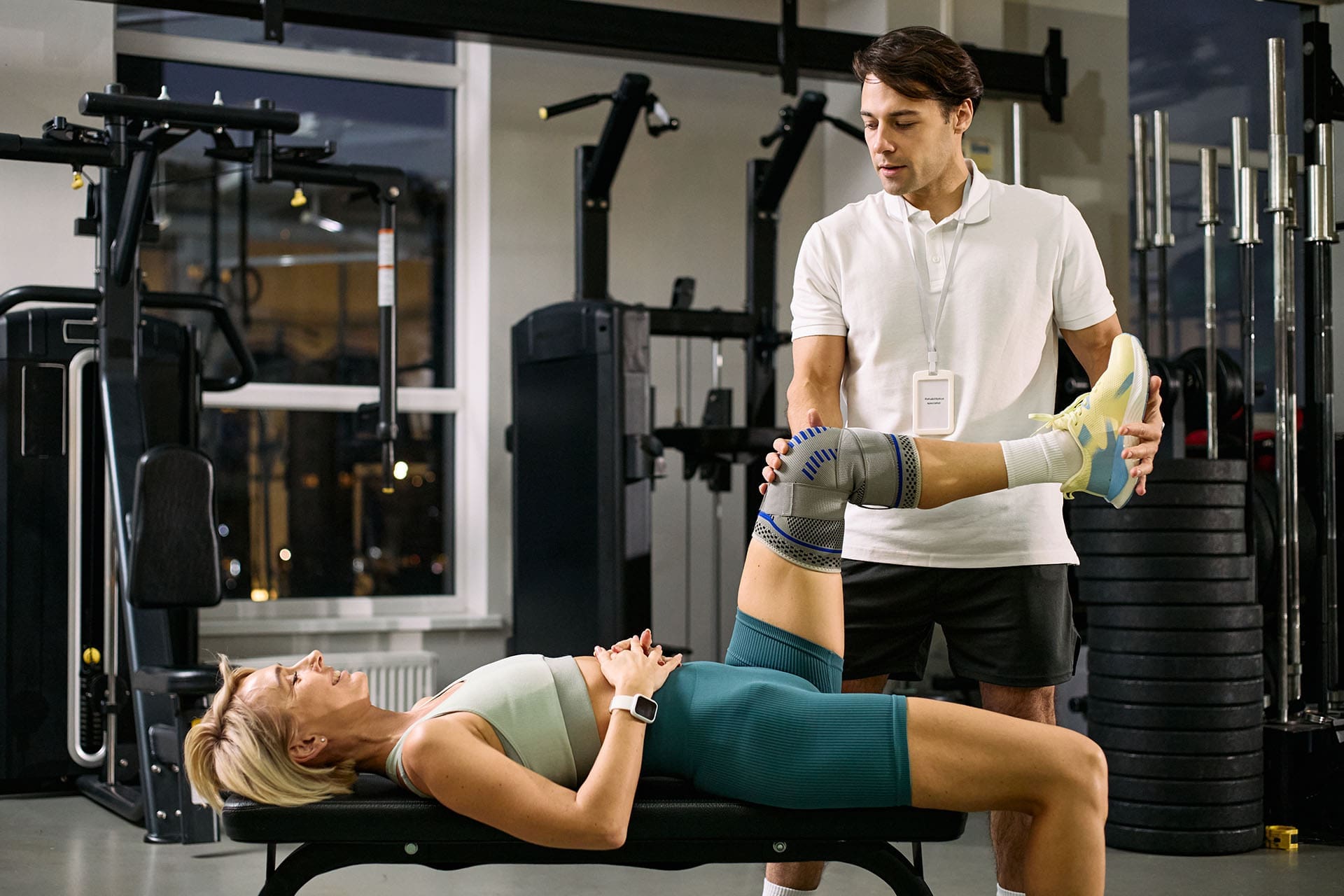
Table of Contents
Can Athletes Keep Training While Seeing an Integrative Chiropractor?
Athletes often worry that starting chiropractic care means they have to stop training completely. In many cases, that is not true. Most athletes can continue some level of exercise or sport while under the care of an integrative chiropractor, but the work usually has to be modified. The main goal is not to push through pain or shut everything down. The goal is to use the right amount of movement, loading, and recovery so the body can heal while the athlete keeps as much strength, conditioning, and confidence as possible. Research on athletic rehabilitation supports “relative rest” rather than total inactivity, meaning the injured area is protected while the athlete still performs safe movements to avoid deconditioning and muscle loss (Crockett & Sandrey, 2011; Centers for Disease Control and Prevention [CDC], 2025).
An integrative chiropractor becomes a partner in that process. Rather than saying, “Do nothing until you feel better,” the chiropractor helps the athlete move from “complete rest” to “controlled, modified training.” This is important because too much rest can lower fitness, reduce joint motion, weaken muscles, and make the athlete feel less ready to return. At the same time, too much activity too soon can irritate injured tissue and delay healing. That is why optimal loading matters. It means applying enough stress to the body to stimulate repair, but not so much that the damaged structure becomes overwhelmed (Crockett & Sandrey, 2011; Elite Performance Physio Manchester, 2026).
What “optimal loading” means for an athlete
Optimal loading is a practical middle ground. It is not bed rest, and it is not “train like normal and hope for the best.” It is a careful progression based on the athlete’s symptoms, movement quality, sport demands, and stage of healing. For one athlete, that may mean biking instead of sprinting. For another, it may mean reduced practice time, lighter weights, fewer jumps, or no-contact drills for a short period. The key idea is that healing tissues usually respond better to smart, graded stress than to complete inactivity (Crockett & Sandrey, 2011; University of Iowa Health Care, 2017).
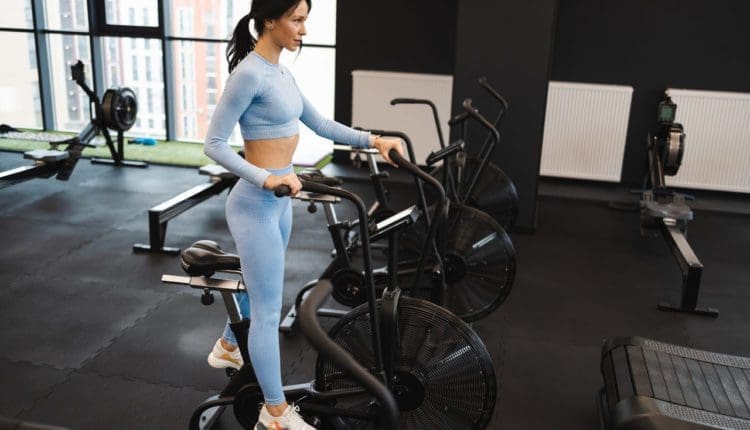
A strong rehabilitation plan also shifts the conversation. Instead of focusing only on what the athlete cannot do, it emphasizes what the athlete can still do safely. For example, an athlete with a lower-leg injury may still be able to do pool running, upper-body work, core training, or low-impact conditioning. This helps preserve fitness, routine, and morale while protecting the injured area. That approach is supported in sports rehabilitation literature, which notes that many athletes can continue some training if they follow a modified activity plan (Crockett & Sandrey, 2011).
Can athletes play sports right after a chiropractic visit?
The answer depends on why they are being treated. Many athletes can resume light exercise soon after a chiropractic session, especially if the visit is for maintenance, mobility, or performance support rather than for an acute injury. However, full-speed training or heavy impact may need to wait, especially after a recent injury or when the adjustment involves an area under high mechanical stress. Several sports chiropractic and rehab sources recommend easing back in with low-impact movement first and waiting before intense twisting, bending, or high-impact exercise until the provider gives clear guidance (Rincon Chiropractic, 2023; New Hope Physiotherapy, 2025).
This is one reason a personalized plan matters. A healthy athlete getting routine care before a game may tolerate same-day participation well. An athlete recovering from a sprain, strain, disc irritation, or overuse problem may need more protection. The chiropractor’s job is to tailor the recommendation to the athlete’s condition, not to apply a one-size-fits-all rule (New Hope Physiotherapy, 2025; Elite Performance Physio Manchester, 2026).
What an integrative chiropractor adds
Integrative chiropractic care looks beyond a single painful spot. It combines spinal and joint care with movement analysis, soft-tissue work, exercise, recovery strategies, and, when needed, medical evaluation. On Dr. Alexander Jimenez’s platform, his integrative model is described as looking at medical safety, spinal and joint health, biomechanics and movement, and broader wellness factors such as nutrition and stress. His published material also emphasizes that athletes and active patients often experience re-injury cycles when they return to sport too early or without addressing root problems such as poor alignment, weak supporting muscles, reduced flexibility, or faulty posture (Jimenez, 2025a, 2025b).
These clinical observations matter because athletes rarely get hurt for only one reason. The pain may show up in the knee, shoulder, back, or ankle, but the underlying problem may involve poor mechanics, loss of mobility, muscle imbalances, fatigue, training errors, or inadequate recovery. Dr. Jimenez’s integrative sports care model also highlights the value of combining chiropractic assessment with nurse practitioner oversight, imaging when appropriate, exercise progression, hydration, sleep, and whole-person recovery planning (Jimenez, 2025a, 2025c).
What modified training can look like
A modified training plan should protect the injured tissue while keeping the athlete engaged. Depending on the injury, the plan may include:
-
Light aerobic work such as walking, biking, or pool work
-
Mobility drills that do not provoke symptoms
-
Strength training for uninjured regions
-
Reduced volume, reduced speed, or reduced impact
-
Non-contact drills before live sports action
-
Shorter practices with close symptom monitoring
This type of progression fits standard return-to-activity models. University of Iowa Health Care describes a graduated progression from light aerobic activity to moderate activity, then to non-contact drills, then to full-contact practice, and finally to competition. The CDC provides similar stepwise guidance following a concussion and notes that each step typically takes at least 24 hours and should be supervised by a healthcare provider (CDC, 2025; University of Iowa Health Care, 2017).
Even when the injury is not a concussion, the basic principle still makes sense: progress in stages, test tolerance, and do not skip steps. An athlete should not jump from pain and dysfunction to full-speed competition just because one treatment felt good. Feeling better is important, but return to play also depends on control, strength, endurance, confidence, and the ability to handle sport-specific demands safely (Crockett & Sandrey, 2011; Doege et al., 2021).
Why complete rest is rarely the best answer
There are times when short-term rest is necessary, especially after severe injury, major inflammation, concussion, or fracture, or when red-flag symptoms are present. But for many common sports injuries, prolonged rest can create new problems. Fitness drops. Muscles weaken. Joints stiffen. The athlete may also become fearful about returning. Relative rest and guided movement help prevent those setbacks while allowing recovery to continue (Crockett & Sandrey, 2011).
This is where chiropractic care may support both performance and recovery simultaneously. A recent review on chiropractic in sports reported that chiropractic care has the potential to improve athlete performance and health by addressing biomechanical imbalances and optimizing neuromuscular function. That does not mean adjustments alone solve everything, but it does support the broader idea that movement quality, joint function, and nerve-muscle coordination matter in both rehabilitation and performance (Lin et al., 2023).
Recovery habits still matter
Athletes often focus only on treatment tables and rehab drills, but recovery outside the clinic is just as important. Basic habits support tissue healing and help the athlete better handle training loads. Sports recovery guidance commonly recommends:
-
Good sleep
-
Consistent hydration
-
Adequate nutrition
-
Active recovery
-
Gradual increase in workload
Chiropractic Fitness notes that sleep, nutrition, active recovery, hydration, and recovery tools all support better athletic recovery and performance. These are simple ideas, but they are often the difference between steady progress and repeated setbacks (Chiropractic Fitness, 2025).
When athletes should not push through
Athletes are often taught to be tough, but pain is not always something to ignore. Training should be adjusted or stopped when there is:
-
Sharp or worsening pain
-
Swelling that keeps increasing
-
Loss of strength or stability
-
Numbness, tingling, or radiating pain
-
Head injury symptoms such as headache, dizziness, confusion, or light sensitivity
-
A clear drop in movement quality
In those situations, the athlete needs reassessment, not just more effort. This is another reason the chiropractor should be seen as a partner. A good provider guides decisions, monitors progress, and adjusts the plan based on the athlete’s response.
Dr. Alexander Jimenez’s clinical perspective
Dr. Alexander Jimenez, DC, APRN, FNP-BC, describes an integrative model that blends chiropractic care, nurse practitioner evaluation, movement-based rehab, imaging when needed, and recovery strategies that go beyond the painful area. His published clinical materials emphasize that athletes perform better when care addresses biomechanics, posture, flexibility, strength, and broader lifestyle factors rather than focusing solely on short-term symptom relief. He also emphasizes that returning to sport too early or without addressing root causes can set up repeated injury cycles (Jimenez, 2025a, 2025b, 2025c).
That is a practical message for athletes: the goal is not just to “feel okay enough” to play. The goal is to return with better movement, better support, and better control so performance is pain-free and sustainable.
Final thoughts
Yes, athletes can often continue training or even participate in sports while under the care of an integrative chiropractor. But that does not mean training stays exactly the same. The smartest approach is usually controlled, modified activity based on optimal loading. Instead of complete rest, the athlete follows a structured plan that protects healing tissues while preserving strength, conditioning, and confidence. With the right mix of chiropractic care, rehabilitation exercises, soft-tissue work, recovery habits, and staged return-to-play progressions, many athletes can heal more efficiently and return to full performance with a lower risk of reinjury (CDC, 2025; Crockett & Sandrey, 2011; Jimenez, 2025b).
References
Centers for Disease Control and Prevention. (2025, September 15). Returning to sports.
Chiropractic Fitness. (2025, April 14). 5 tips for athlete recovery and performance.
Crockett, B., & Sandrey, M. A. (2011). Rehabilitation of the athlete. Sports Health.
Doege, J., Ayala, F., Krause, M., Zeman, F., Banzer, W., & Granacher, U. (2021). Defining return to sport: A systematic review. Journal of Clinical Medicine, 10(12), 2594.
Elite Performance Physio Manchester. (2026, January 20). How sports rehabilitation supports you after injury.
Jimenez, A. (2025a). Telemedicine sports care: NP and chiropractor teamwork.
Jimenez, A. (2025b). Improve circulation with chiropractic integrative detox support.
Jimenez, A. (2025c). Why choose our clinical team?.
Lin, A. F. C., Man, K. K. C., Chan, C. Y., Wong, C. K. H., & Wong, M. S. (2023). Unlocking athletic potential: The integration of chiropractic care into the sports industry and its impact on the performance and health of athletes and economic growth in China and Hong Kong. Cureus, 15(3), e35745.
New Hope Physiotherapy. (2025, October 24). Can athletes resume sports right after chiropractic treatment?.
Rincon Chiropractic. (2023). Is it OK to exercise after an adjustment?.
University of Iowa Health Care. (2017, June 1). Graduated return to play.
Post Disclaimer
Professional Scope of Practice *
The information on this blog site is not intended to replace a one-on-one relationship with a qualified healthcare professional or licensed physician and is not medical advice. We encourage you to make healthcare decisions based on your research and partnership with a qualified healthcare professional.
Blog Information & Scope Discussions
Welcome to El Paso's Premier Wellness and Injury Care Clinic & Wellness Blog, where Dr. Alex Jimenez, DC, FNP-C, a board-certified Family Practice Nurse Practitioner (FNP-BC) and Chiropractor (DC), presents insights on how our team is dedicated to holistic healing and personalized care. Our practice aligns with evidence-based treatment protocols inspired by integrative medicine principles, similar to those found on this site and our family practice-based chiromed.com site, focusing on restoring health naturally for patients of all ages.
Our areas of chiropractic practice include Wellness & Nutrition, Chronic Pain, Personal Injury, Auto Accident Care, Work Injuries, Back Injury, Low Back Pain, Neck Pain, Migraine Headaches, Sports Injuries, Severe Sciatica, Scoliosis, Complex Herniated Discs, Fibromyalgia, Chronic Pain, Complex Injuries, Stress Management, Functional Medicine Treatments, and in-scope care protocols.
Our information scope is limited to chiropractic, musculoskeletal, physical medicine, wellness, contributing etiological viscerosomatic disturbances within clinical presentations, associated somato-visceral reflex clinical dynamics, subluxation complexes, sensitive health issues, and functional medicine articles, topics, and discussions.
We provide and present clinical collaboration with specialists from various disciplines. Each specialist is governed by their professional scope of practice and their jurisdiction of licensure. We use functional health & wellness protocols to treat and support care for the injuries or disorders of the musculoskeletal system.
Our videos, posts, topics, subjects, and insights cover clinical matters and issues that relate to and directly or indirectly support our clinical scope of practice.*
Our office has made a reasonable effort to provide supportive citations and has identified relevant research studies that support our posts. We provide copies of supporting research studies available to regulatory boards and the public upon request.
We understand that we cover matters that require an additional explanation of how they may assist in a particular care plan or treatment protocol; therefore, to discuss the subject matter above further, please feel free to ask Dr. Alex Jimenez, DC, APRN, FNP-BC, or contact us at 915-850-0900.
We are here to help you and your family.
Blessings
Dr. Alex Jimenez DC, MSACP, APRN, FNP-BC*, CCST, IFMCP, CFMP, ATN
email: [email protected]
Licensed as a Doctor of Chiropractic (DC) in Texas & New Mexico*
Texas DC License # TX5807
New Mexico DC License # NM-DC2182
Licensed as a Registered Nurse (RN*) in Texas & Multistate
Texas RN License # 1191402
ANCC FNP-BC: Board Certified Nurse Practitioner*
Compact Status: Multi-State License: Authorized to Practice in 40 States*
Graduate with Honors: ICHS: MSN-FNP (Family Nurse Practitioner Program)
Degree Granted. Master's in Family Practice MSN Diploma (Cum Laude)
Dr. Alex Jimenez, DC, APRN, FNP-BC*, CFMP, IFMCP, ATN, CCST
My Digital Business Card

Comments are closed.