
MVA’s in El Paso and Integrative Chiropractic Recovery

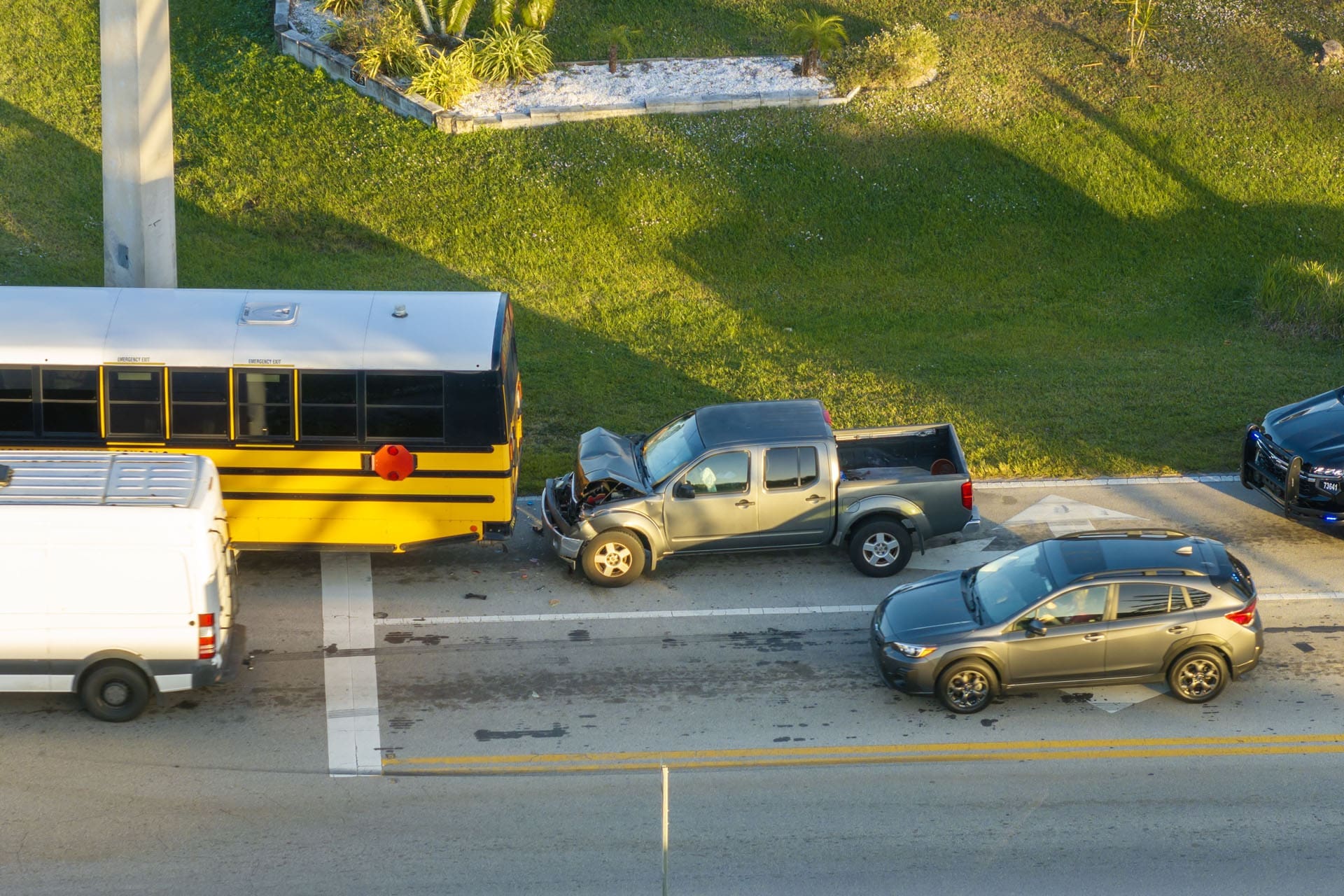
Table of Contents
Motor Vehicle Accidents in El Paso: Common Crash Types, Common Injuries, and How Integrative Chiropractic Care Can Help You Heal

Motor vehicle accidents (MVAs) are unfortunately common in El Paso. This makes sense when you consider how busy the roads can get—especially major routes like I-10 and Loop 375—and the mix of commuters, tourists, and heavy commercial and border-related traffic. Local law firms and safety resources often point to the same patterns: distracted driving, impaired driving, speeding, intersection crashes, and rear-end collisions are frequent causes of serious injuries.
This article explains:
-
What kinds of crashes happen most often in El Paso
-
What injuries are common (like whiplash, back sprains, headaches, herniated discs, fractures, and traumatic brain injuries)
-
Why can symptoms show up later
-
How integrative chiropractic care (chiropractic + rehab + soft tissue care + lifestyle support) can help recovery
Important note: If you have severe symptoms (loss of consciousness, confusion, weakness, numbness, trouble walking, repeated vomiting, chest pain, or severe headache), seek urgent medical care right away.
Why El Paso Sees So Many Car and Truck Accidents
El Paso has several risk factors that can stack up on the road:
-
High-traffic corridors (commuting plus interstate flow)
-
Busy intersections with frequent stopping and merging
-
Weather and visibility issues at times (like dust or storms)
-
A strong commercial trucking presence connected to regional commerce and border traffic
Some sources also highlight that serious crashes remain a major concern in the region. For example, one El Paso statistics page cites Texas DOT crash totals and injury categories for 2024 (including fatal crashes and suspected serious injuries).
Common Types of Motor Vehicle Accidents in El Paso
Rear-end collisions
Rear-end collisions are among the most common types of crashes. These often happen in stop-and-go traffic, during rush hour, or near busy shopping and commuting zones. Local El Paso accident resources specifically mention Loop 375 as a common setting for rear-end crashes.
Why rear-end crashes happen
-
Following too closely
-
Looking at a phone
-
Eating or drinking
-
Sudden braking in congestion
Intersection crashes (T-bone/side-impact)
Side-impact crashes often happen at major intersections when drivers:
-
Run red lights
-
Fail to yield
-
Misjudge speed or distance
-
Drive distracted
Speeding-related crashes
Speeding reduces reaction time and increases crash force. El Paso-focused sources point out speeding as a major contributor on routes like I-10 and Loop 375.
Distracted driving crashes
Distracted driving is not just texting. It includes anything that pulls attention away from driving, including food, navigation systems, and even adjusting controls.
Common distractions
-
Texting or scrolling
-
Calls and notifications
-
GPS adjustments
-
Eating and drinking
-
Talking to passengers
Drunk or drug-impaired driving crashes
Impaired driving is repeatedly listed in El Paso accident and injury discussions as a major safety issue.
Pedestrian accidents
Pedestrian crashes can happen when drivers fail to check blind spots, turn too quickly, speed, or drive distracted—especially around crossings and busy areas.
Truck accidents (commercial vehicle collisions)
Truck crashes tend to be more severe due to the size and force of the vehicles involved. El Paso County commercial crash totals are discussed by legal resources referencing TxDOT-reported figures.
Why Injuries Happen Even in “Minor” Crashes
A crash does not need to “look bad” to cause injury. The body can be hurt by:
-
Sudden acceleration/deceleration
-
Twisting forces (especially in side impacts)
-
Seatbelt forces across the chest/abdomen
-
Head motion and brain movement inside the skull
That’s why symptoms sometimes appear hours or days later, especially with whiplash and concussion-type injuries.
Common MVA Injuries in El Paso
Below are injuries frequently discussed in MVA recovery resources and clinical references.
Whiplash and neck sprain/strain
Whiplash is commonly linked to an acceleration–deceleration mechanism—often from rear-end or side-impact collisions.
Common whiplash symptoms
-
Neck pain and stiffness
-
Headaches
-
Shoulder/upper back tightness
-
Reduced range of motion
-
Muscle spasm
Back sprains/strains and soft tissue injuries
Soft tissue injuries can affect muscles, tendons, and ligaments. These may lead to:
-
Ongoing soreness
-
Protective muscle tightness
-
Trigger points
-
Movement avoidance (which can slow recovery)
Headaches after a crash
Headaches can come from:
-
Whiplash-related neck strain
-
Concussion/mild TBI
-
Jaw/upper neck tension
-
Stress and poor sleep
Herniated discs or disc-related pain
Disc problems can flare after trauma due to compressive force or twisting. Disc-related symptoms may include:
-
Back pain that radiates
-
Numbness/tingling
-
Pain with sitting, bending, or lifting
Fractures and more serious trauma
Some crashes lead to fractures, rib injuries, or other serious damage. MVA injury resources cover the full range, from soft-tissue pain to severe injuries.
Traumatic brain injury (TBI) and concussion (mild TBI)
A mild TBI (concussion) can occur even without a direct head strike, because rapid movement can make the brain move within the skull.
Common concussion symptoms (CDC)
-
Headache
-
Dizziness/balance problems
-
Nausea or vomiting (early)
-
Light/noise sensitivity
-
Feeling foggy or slowed down
-
Irritability or mood changes
The “Hidden Injury” Problem: Why You Might Feel Worse Later
People often feel “okay” right after a crash because adrenaline rises and pain can be delayed. But later, you may notice:
-
Tightness and stiffness the next morning
-
Headaches that build over days
-
New numbness or tingling
-
Sleep disruption and fatigue
-
Anxiety, jumpiness, or fear of driving again
This is one reason many clinical and injury-focused resources emphasize early evaluation, so subtle problems don’t turn into long-term issues.
What Integrative Chiropractic Care Means (In Simple Terms)
Integrative chiropractic care is not just “an adjustment.” It blends multiple therapies to support the whole recovery process—joints, muscles, nerves, and daily function.
An integrative plan may include:
-
Chiropractic adjustments to improve joint motion and reduce mechanical stress
-
Soft tissue care (manual therapy, myofascial work, massage) to reduce muscle guarding and help with healing
-
Rehab-style exercises to rebuild stability, balance, and coordination
-
Physical therapy-style training when needed to restore function
-
Lifestyle and nutrition support to help manage inflammation, sleep, and recovery capacity
Many multidisciplinary recovery articles report better outcomes when care is coordinated across chiropractic, rehab, and supportive wellness strategies rather than relying on a single approach.
How Integrative Chiropractic Care Can Help Common MVA Injuries
For whiplash and neck pain
Goals usually include reducing pain, restoring range of motion, and calming irritated tissues.
Common components
-
Gentle spinal/joint mobilization or adjustments (as appropriate)
-
Soft tissue therapy for tight neck/upper back muscles
-
Stretching and controlled strengthening
-
Posture and ergonomic coaching
For back pain and sprains/strains
A good plan often focuses on:
-
Improving movement without flare-ups
-
Reducing protective muscle spasm
-
Rebuilding core and hip stability
-
Gradual return to normal activity
For headaches
Headache care depends on the cause. Many post-crash headaches are linked to neck strain, poor sleep, and stress.
Support may include:
-
Neck mobility work
-
Soft tissue therapy
-
Sleep support routines
-
Screen/neck posture coaching
If a concussion is suspected, care should follow appropriate concussion guidelines and medical oversight.
For disc-related symptoms (like radiating pain)
A careful exam matters here. Some chiropractic/rehab resources describe combined approaches that may include:
-
Joint care to improve mechanics
-
Decompression-style strategies (when appropriate)
-
Rehab to stabilize and unload irritated structures
For emotional stress after a crash
Car accidents can create emotional stress, sleep disruption, and fear of driving. Integrative models often mention whole-person recovery, including stress reduction and supportive lifestyle strategies.
Dr. Alexander Jimenez’s Clinical Observations (El Paso Perspective)
Dr. Alexander Jimenez, DC, APRN, FNP-BC, frequently emphasizes that post-MVA recovery works best when the injury is approached from multiple angles—structure, function, inflammation, and whole-body healing. In his educational content, he highlights:
-
Early assessment and individualized plans
-
Chiropractic care combined with supportive strategies (including holistic recovery concepts)
-
Using clinical evaluation and diagnostics to understand the injury pattern
-
Supporting the patient beyond pain alone, including function and daily life
A practical way to summarize this “dual-scope” mindset is:
-
Mechanical care (spine, joints, mobility)
-
Clinical support (overall health context, inflammation, sleep, recovery resilience)
What a First Post-Accident Evaluation Often Includes
A solid first visit is typically focused on safety and clarity.
Common steps
-
Review of the crash details and symptom timeline
-
Health history and prior injuries
-
Range-of-motion and orthopedic testing
-
Neurological screening (strength, sensation, reflexes)
-
Referral for imaging or medical evaluation when red flags appear
Red flags that should be checked quickly
-
Progressive weakness or numbness
-
Severe headache with confusion
-
Loss of consciousness
-
Chest pain or trouble breathing
-
Repeated vomiting
-
Trouble walking or severe balance issues
Simple Recovery Tips That Often Help (Alongside Professional Care)
Every injury is different, but these basics often support healing:
-
Don’t “power through” sharp pain. Gentle movement is usually better than total rest, but it should be guided.
-
Use heat or ice as recommended. Early inflammation may respond to cold; tight muscles often respond to heat (timing matters).
-
Protect sleep. Sleep is when tissue repair and nervous system recovery happen.
-
Stay hydrated and eat protein-rich meals. Your body needs building blocks to repair tissue.
-
Track symptoms daily. Note that headaches, dizziness, numbness, sleep changes, and mood patterns matter, especially for concussion concerns.
Why a Team-Based Approach Can Speed Up Return to Normal Life
Many recovery-focused resources describe better functional outcomes when patients combine:
-
Joint/spine care (chiropractic)
-
Muscle and movement rehab (physio-style exercise)
-
Soft tissue support (massage/manual therapy)
-
Whole-person strategies (stress, sleep, nutrition)
That “integrated toolkit” is often how people move from pain management to real recovery—better movement, less fear, and stronger daily capacity.
Conclusion
In El Paso, common MVAs include distracted driving, impaired driving, speeding, rear-end collisions (often on routes like Loop 375 and I-10), intersection crashes, pedestrian accidents, and truck collisions tied to heavy commercial traffic.
Common injuries include whiplash, neck and back sprains, soft tissue injuries, headaches, herniated discs, fractures, and traumatic brain injuries.
Integrative chiropractic care can help by combining spinal adjustments with rehab exercises, soft-tissue therapy, and supportive lifestyle strategies—aimed at reducing pain and inflammation, restoring mobility, and helping you return to life with more confidence and function.
References
-
Traumatic Brain Injury & Concussion Discharge Instructions (CDC PDF)
-
Whiplash (Neck Strain): Symptoms & Treatment (Cleveland Clinic)
-
Motor Vehicle Accident Attorney in El Paso, Texas (Labinoti Law Firm)
-
Your Complete Guide to Car Accidents in El Paso (Lovett Law Firm)
-
Motor Vehicle Accident Injuries (Spectrum Therapy Consultants)
-
What Are Your Chiropractic Treatment Options After a Car Accident? (The Neck and Back Clinics)
-
Your First Chiropractic Appointment After a Car Accident (The Neck and Back Clinics)
-
Role of Chiropractic Care & Massage for Accident Recovery (ALWC)
-
Comprehensive Care Integrating Chiropractic, Physiotherapy, Naturopathy & More (Altitude Health)
-
Natural Healing Protocols for MVAs: A Guide (Dr. Alexander Jimenez)
-
Recovering from Car Accidents: A Holistic Approach (LinkedIn – Dr. Alexander Jimenez)
Post Disclaimer
Professional Scope of Practice *
The information on this blog site is not intended to replace a one-on-one relationship with a qualified healthcare professional or licensed physician and is not medical advice. We encourage you to make healthcare decisions based on your research and partnership with a qualified healthcare professional.
Blog Information & Scope Discussions
Welcome to El Paso's Premier Wellness and Injury Care Clinic & Wellness Blog, where Dr. Alex Jimenez, DC, FNP-C, a board-certified Family Practice Nurse Practitioner (FNP-BC) and Chiropractor (DC), presents insights on how our team is dedicated to holistic healing and personalized care. Our practice aligns with evidence-based treatment protocols inspired by integrative medicine principles, similar to those found on this site and our family practice-based chiromed.com site, focusing on restoring health naturally for patients of all ages.
Our areas of chiropractic practice include Wellness & Nutrition, Chronic Pain, Personal Injury, Auto Accident Care, Work Injuries, Back Injury, Low Back Pain, Neck Pain, Migraine Headaches, Sports Injuries, Severe Sciatica, Scoliosis, Complex Herniated Discs, Fibromyalgia, Chronic Pain, Complex Injuries, Stress Management, Functional Medicine Treatments, and in-scope care protocols.
Our information scope is limited to chiropractic, musculoskeletal, physical medicine, wellness, contributing etiological viscerosomatic disturbances within clinical presentations, associated somato-visceral reflex clinical dynamics, subluxation complexes, sensitive health issues, and functional medicine articles, topics, and discussions.
We provide and present clinical collaboration with specialists from various disciplines. Each specialist is governed by their professional scope of practice and their jurisdiction of licensure. We use functional health & wellness protocols to treat and support care for the injuries or disorders of the musculoskeletal system.
Our videos, posts, topics, subjects, and insights cover clinical matters and issues that relate to and directly or indirectly support our clinical scope of practice.*
Our office has made a reasonable effort to provide supportive citations and has identified relevant research studies that support our posts. We provide copies of supporting research studies available to regulatory boards and the public upon request.
We understand that we cover matters that require an additional explanation of how they may assist in a particular care plan or treatment protocol; therefore, to discuss the subject matter above further, please feel free to ask Dr. Alex Jimenez, DC, APRN, FNP-BC, or contact us at 915-850-0900.
We are here to help you and your family.
Blessings
Dr. Alex Jimenez DC, MSACP, APRN, FNP-BC*, CCST, IFMCP, CFMP, ATN
email: [email protected]
Licensed as a Doctor of Chiropractic (DC) in Texas & New Mexico*
Texas DC License # TX5807
New Mexico DC License # NM-DC2182
Licensed as a Registered Nurse (RN*) in Texas & Multistate
Texas RN License # 1191402
ANCC FNP-BC: Board Certified Nurse Practitioner*
Compact Status: Multi-State License: Authorized to Practice in 40 States*
Graduate with Honors: ICHS: MSN-FNP (Family Nurse Practitioner Program)
Degree Granted. Master's in Family Practice MSN Diploma (Cum Laude)
Dr. Alex Jimenez, DC, APRN, FNP-BC*, CFMP, IFMCP, ATN, CCST
My Digital Business Card

Comments are closed.