

Best Medications for Neuropathy Pain Management

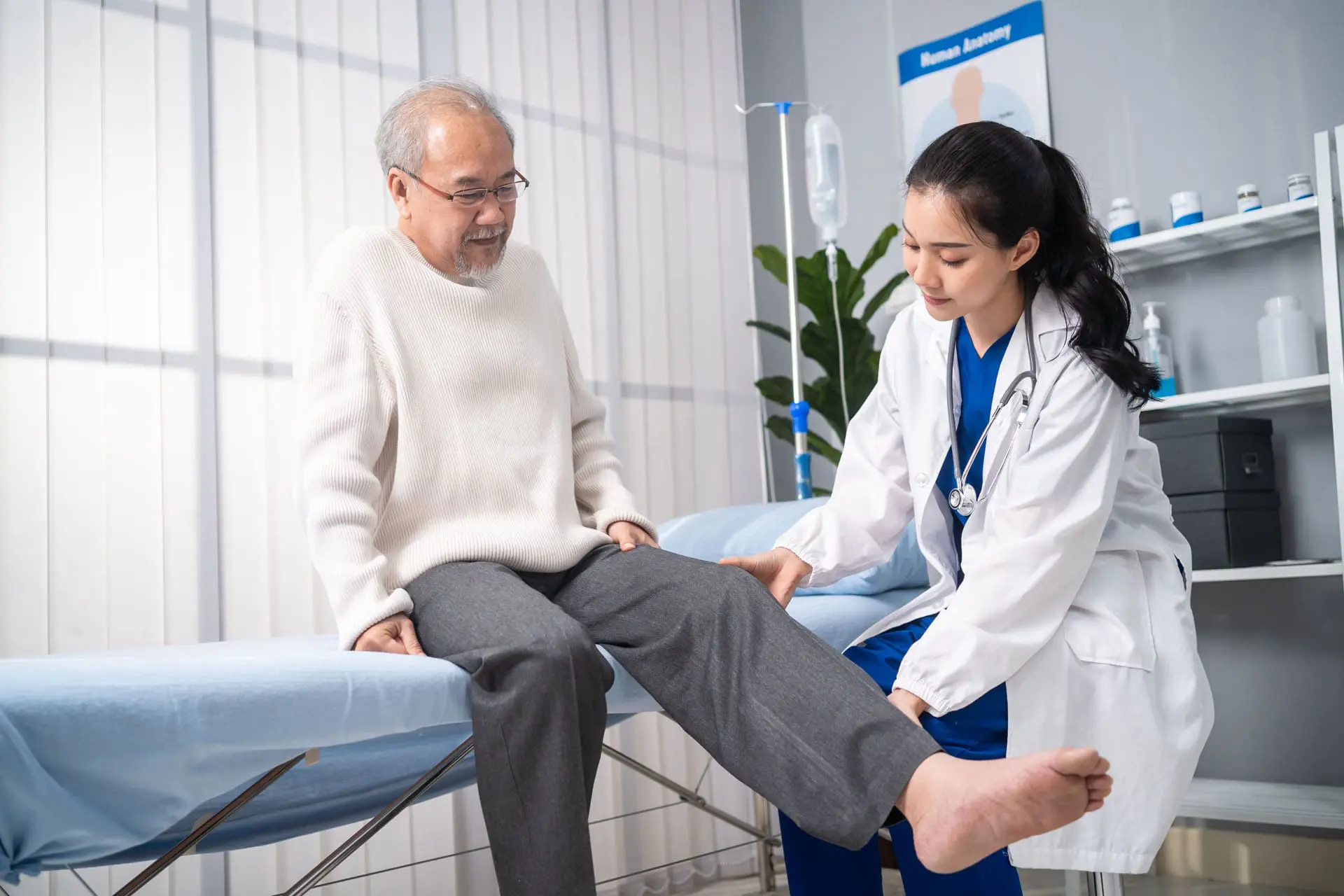
Table of Contents
Best Medications for Neuropathy Pain and How Nurse Practitioners and Integrative Chiropractors Can Help

Neuropathy is a condition characterized by nerve damage that leads to pain, numbness, tingling, or weakness, often affecting the hands and feet. It affects millions of people and can make daily life tough. Many folks with neuropathy wonder about its causes, how to handle the pain, and if it can get better. Diabetes is a big link, as high blood sugar can harm nerves over time. Other causes include injuries, infections, vitamin deficiencies, and certain medications. While some types can improve if the root problem is fixed, like fixing a vitamin deficiency, others, like diabetic neuropathy, might not fully reverse but can be managed to stop them from getting worse (HealthCentral, n.d.).
Patients often ask their healthcare providers key questions. For example, “What caused this?” or “Can I make changes to feel better?” Lifestyle tweaks like eating well, exercising, and keeping blood sugar in check can help slow it down. Now, let’s examine one common concern: the best medications for pain, and how professionals like nurse practitioners (NPs) and integrative chiropractors collaborate to help.
Common Causes and Symptoms of Neuropathy
Neuropathy doesn’t just happen; it has triggers. Diabetes tops the list, but things like alcohol overuse, chemotherapy, or autoimmune issues can play a role, too. Symptoms typically begin as minor sensations, such as tingling in the toes, but can progress to burning pain or loss of balance (NewYork-Presbyterian, n.d.a).
- Link to Diabetes: High blood glucose damages small blood vessels that supply nerves, leading to pain and numbness.
- Other causes include infections such as shingles, heavy metal toxins, or thyroid problems.
- Symptoms to Watch: Numbness, sharp pain, muscle cramps, or feeling as if you’re walking on pins.
Early catch can make a difference. Tests such as blood work or nerve studies help determine it (Azar et al., 2020).
Best Medications for Neuropathy Pain
When pain hits, meds are often the first go-to. There’s no one “best” pill for everyone—it depends on your situation. Doctors start with options that change how pain signals travel in the body. Common first-line choices include gabapentin, pregabalin, and duloxetine. These help many people balance relief with fewer side effects (Universal Neurocare, n.d.).
Gabapentin and pregabalin are anti-seizure drugs that calm overactive nerves. Duloxetine is an antidepressant that boosts brain chemicals to dull pain. Studies show that these are effective for nerve pain associated with diabetes or other causes (Attal et al., 2017).
- Gabapentin: Start low and titrate; effective for burning pain, but can cause dizziness or sleepiness.
- Pregabalin: Similar to gabapentin; often provides faster relief, but monitor for weight gain or swelling.
- Duloxetine: Helps with mood, too, with side effects like nausea or dry mouth.
Expect initial side effects such as fatigue or gastrointestinal upset. Doctors aim for the lowest dose that works. If these don’t cut it, they might add topical creams or stronger options, but opioids are a last resort due to addiction risks (NHS, n.d.).
Why Neuropathy Pain Gets Worse at Night
Many people notice their pain ramps up when they lie down. Why? During the day, you’re busy, so distractions keep it in check. At night, with fewer external stimuli, the brain is more attuned to internal signals. Also, lying flat can change blood flow or pressure on nerves. Cooler temperatures or contact with bed sheets on sensitive skin can also trigger it (Straight A Nursing, n.d.).
To ease nighttime woes:
- Keep your feet warm with socks.
- Use a fan for white noise.
- Consider relaxation, such as deep breathing, before bed.
If it’s bad, talk to your doc about timing meds for evening relief.
Non-Drug Treatments for Neuropathy
Not everyone wants pills, or they might not work alone. Good news: there are other ways to fight pain. These focus on soothing nerves without drugs.
TENS units send mild electric pulses through skin pads to block pain signals. Acupuncture uses thin needles to stimulate points that release endogenous opioids. Physical therapy builds strength and balance to cut fall risks. Topical agents such as capsaicin (from peppers) or lidocaine numb the area (AzIPC, n.d.).
- TENS Units: portable and easy to use; use daily for relief.
- Acupuncture: May reduce tingling; effects accumulate with repeated sessions.
- Physical Therapy: Exercises for better circulation and muscle support.
- Topical Creams: Apply to sore spots; capsaicin initially causes burning but may help over the long term.
Integrative options such as yoga or massage increase blood flow and relax tight muscles (RxWellness, n.d.).
What to Do If Your Medication Isn’t Working
If meds fall short, don’t give up. Next steps include tweaking the dose, switching drugs, or adding therapies. Ask your provider: “What else can we try?” They might suggest tests to check progression or rule out new issues (Nerve Renewal Now, n.d.).
Options if meds fail:
- Combine with non-drugs like TENS.
- Check for hidden causes, such as a vitamin deficiency.
- Consult a specialist for advanced care, such as nerve stimulation implants.
Tracking symptoms helps—note when pain spikes and what helps.
How Nurse Practitioners Help with Neuropathy
Nurse practitioners (NPs) are key players in pain care. They handle check-ups, prescribe meds, and create plans tailored to you. NPs look at the whole picture: your daily life, other health issues, and goals. They manage chronic pain well, often in primary care, where they see lots of neuropathy cases (Haddad et al., 2021).
For example, an NP might initiate duloxetine, monitor for side effects, and adjust as needed. They teach self-care, such as foot checks to prevent sores, particularly for individuals with diabetes. Care plans include:
- Pain tracking tools.
- Diet tips for nerve health.
- Referrals to therapy.
NPs focus on safety, like avoiding falls, and team up with others for the best results (NurseTogether, n.d.).
The Role of Integrative Chiropractors in Neuropathy Care
Integrative chiropractors blend hands-on fixes with overall wellness. They use adjustments to align the spine, alleviating nerve compression and improving blood flow. This can cut pain without meds. They also provide exercises, laser therapy, or nutritional advice to treat nerve injuries (El Paso Back Clinic, n.d.).
Dr. Alexander Jimenez, a chiropractor and NP in El Paso, Texas, shares clinical insights from over 30 years. He sees neuropathy from things like spine issues or diabetes. His approach: fix root causes with adjustments, functional medicine, and lifestyle changes. He notes that symptoms such as tingling or weakness improve with noninvasive treatments, including decompression or electroacupuncture. As both a DC and an FNP-BC, he integrates medical and natural methods to improve outcomes (Jimenez, n.d.a; Jimenez, n.d.b).
Chiropractic perks:
- Reduces inflammation.
- Improves balance and strength.
- Avoids surgery risks.
Many find relief in weeks with regular visits (Mana.md, n.d.).
Combining Nurse Practitioner and Chiropractic Care for Better Results
Together, NPs and integrative chiropractors offer a powerhouse team. NPs handle meds and medical tests, while chiropractors focus on body mechanics and natural healing. This combination addresses pain from all angles, improving function and quality of life.
For instance, an NP might prescribe gabapentin, and a chiropractor adds adjustments to enhance its effects. Dr. Jimenez’s practice demonstrates this: multidisciplinary teams comprising NPs, therapists, and chiropractors develop custom plans. Patients get less pain, better mobility, and tools for long-term health (Progressive Health Clinic, n.d.).
Benefits of this approach:
- Personalized plans.
- Fewer side effects.
- Focus on prevention.
Studies back combined care for chronic pain, leading to fewer meds and more activity (Advanced Pain Management, n.d.).
Living Well with Neuropathy
Neuropathy pain is tough, but options exist. Meds like gabapentin help many, but pair them with non-drugs for the best relief. NPs guide the medical side, while integrative chiropractors add natural boosts. Ask questions, track progress, and make changes—such as exercise or diet—to remain active (Absolute Foot Care, n.d.).
Remember, early help matters. With the right team, you can reduce discomfort and enjoy life more.
References
Absolute Foot Care. (n.d.). How to stay active and live a full life with neuropathy. https://www.absolutefootcarelv.com/blog/how-to-stay-active-and-live-a-full-life-with-neuropathy.cfm.html
Advanced Pain Management. (n.d.). Best neuropathic treatment options for nerve pain relief. https://advancedpainmanagementva.com/best-neuropathic-treatment-options-for-nerve-pain-relief/
Attal, N., et al. (2017). Pharmacotherapy for neuropathic pain: A review. Pain and Therapy, 6(Suppl 1), 23–33. https://pmc.ncbi.nlm.nih.gov/articles/PMC5701897/
Azar, M., et al. (2020). Peripheral neuropathy: Evaluation and differential diagnosis. American Family Physician, 102(12), 732-739. https://www.aafp.org/pubs/afp/issues/2020/1215/p732.html
AzIPC. (n.d.). 10 treatment options for peripheral neuropathy. https://www.azipc.com/post/10-treatment-options-for-peripheral-neuropathy
Dr. Dennis Harris. (n.d.). Common questions about neuropathy. https://www.drdennisharris.com/common-questions-about-neuropathy/
El Paso Back Clinic. (n.d.). Common questions about neuropathy in El Paso, TX solutions. https://elpasobackclinic.com/common-questions-about-neuropathy-in-el-paso-tx-solutions/
Haddad, L. M., et al. (2021). Assessing practice patterns and influential factors for nurse practitioners who manage chronic pain. Pain Management Nursing, 22(4), 508-514. https://www.sciencedirect.com/science/article/abs/pii/S152490422100014X
HealthCentral. (n.d.). Neuropathy: What you need to know. https://www.healthcentral.com/condition/neuropathy
Jimenez, A. (n.d.a). Dr. Alex Jimenez. https://dralexjimenez.com/
Jimenez, A. (n.d.b). Dr. Alexander Jimenez DC, APRN, FNP-BC, IFMCP, CFMP, ATN ♛. https://www.linkedin.com/in/dralexjimenez/
Liv Hospital. (n.d.). 14 causes of leg pain, numbness, and tingling: Quick guide to symptoms. https://int.livhospital.com/14-causes-of-leg-pain-numbness-and-tingling-quick-guide-to-symptoms/
Mana.md. (n.d.). Chiropractic care for peripheral neuropathy. https://mana.md/chiropractic-care-for-peripheral-neuropathy/
Memorial Sloan Kettering Cancer Center. (n.d.). Managing peripheral neuropathy. https://www.mskcc.org/cancer-care/patient-education/managing-peripheral-neuropathy
Nerve Renewal Now. (n.d.). Questions to ask your doctor about neuropathy and nerve pain. https://nerverenewalnow.com/questions-ask-doctor-neuropathy-nerve-pain/
NewYork-Presbyterian. (n.d.a). Neuropathy. https://www.nyp.org/neuro/neuromuscular-disorders/neuropathy
NewYork-Presbyterian. (n.d.b). Neuropathy: Diagnosis & treatment. https://www.nyp.org/neuro/neuromuscular-disorders/neuropathy/treatment
NHS. (n.d.). Peripheral neuropathy – Treatment. https://www.nhs.uk/conditions/peripheral-neuropathy/treatment/
NurseTogether. (n.d.). Peripheral neuropathy nursing diagnosis & care plan. https://www.nursetogether.com/peripheral-neuropathy-nursing-diagnosis-care-plan/
Progressive Health Clinic. (n.d.). Neuropathy relief. https://www.progressivehealthclinicllc.com/neuropathy
RxWellness. (n.d.). Natural peripheral neuropathy treatments for lasting relief. https://www.rxwellness.net/natural-peripheral-neuropathy-treatments-for-lasting-relief/
Straight A Nursing. (n.d.). Peripheral neuropathy. https://straightanursingstudent.com/peripheral-neuropathy/
Universal Neurocare. (n.d.). Questions to ask neurologist about neuropathy. https://universalneurocare.com/questions-to-ask-neurologist-about-neuropathy/
Yahoo News. (n.d.). Questions to ask your doctor for nerve pain. https://www.yahoo.com/news/questions-ask-doctor-nerve-pain-194107814.html
Post Disclaimer
Professional Scope of Practice *
The information on this blog site is not intended to replace a one-on-one relationship with a qualified healthcare professional or licensed physician and is not medical advice. We encourage you to make healthcare decisions based on your research and partnership with a qualified healthcare professional.
Blog Information & Scope Discussions
Welcome to El Paso's Premier Wellness and Injury Care Clinic & Wellness Blog, where Dr. Alex Jimenez, DC, FNP-C, a board-certified Family Practice Nurse Practitioner (FNP-BC) and Chiropractor (DC), presents insights on how our team is dedicated to holistic healing and personalized care. Our practice aligns with evidence-based treatment protocols inspired by integrative medicine principles, similar to those found on this site and our family practice-based chiromed.com site, focusing on restoring health naturally for patients of all ages.
Our areas of chiropractic practice include Wellness & Nutrition, Chronic Pain, Personal Injury, Auto Accident Care, Work Injuries, Back Injury, Low Back Pain, Neck Pain, Migraine Headaches, Sports Injuries, Severe Sciatica, Scoliosis, Complex Herniated Discs, Fibromyalgia, Chronic Pain, Complex Injuries, Stress Management, Functional Medicine Treatments, and in-scope care protocols.
Our information scope is limited to chiropractic, musculoskeletal, physical medicine, wellness, contributing etiological viscerosomatic disturbances within clinical presentations, associated somato-visceral reflex clinical dynamics, subluxation complexes, sensitive health issues, and functional medicine articles, topics, and discussions.
We provide and present clinical collaboration with specialists from various disciplines. Each specialist is governed by their professional scope of practice and their jurisdiction of licensure. We use functional health & wellness protocols to treat and support care for the injuries or disorders of the musculoskeletal system.
Our videos, posts, topics, subjects, and insights cover clinical matters and issues that relate to and directly or indirectly support our clinical scope of practice.*
Our office has made a reasonable effort to provide supportive citations and has identified relevant research studies that support our posts. We provide copies of supporting research studies available to regulatory boards and the public upon request.
We understand that we cover matters that require an additional explanation of how they may assist in a particular care plan or treatment protocol; therefore, to discuss the subject matter above further, please feel free to ask Dr. Alex Jimenez, DC, APRN, FNP-BC, or contact us at 915-850-0900.
We are here to help you and your family.
Blessings
Dr. Alex Jimenez DC, MSACP, APRN, FNP-BC*, CCST, IFMCP, CFMP, ATN
email: [email protected]
Licensed as a Doctor of Chiropractic (DC) in Texas & New Mexico*
Texas DC License # TX5807
New Mexico DC License # NM-DC2182
Licensed as a Registered Nurse (RN*) in Texas & Multistate
Texas RN License # 1191402
ANCC FNP-BC: Board Certified Nurse Practitioner*
Compact Status: Multi-State License: Authorized to Practice in 40 States*
Graduate with Honors: ICHS: MSN-FNP (Family Nurse Practitioner Program)
Degree Granted. Master's in Family Practice MSN Diploma (Cum Laude)
Dr. Alex Jimenez, DC, APRN, FNP-BC*, CFMP, IFMCP, ATN, CCST
My Digital Business Card

Comments are closed.