

Chronic Disease Solutions with Androgen Hormone Optimization

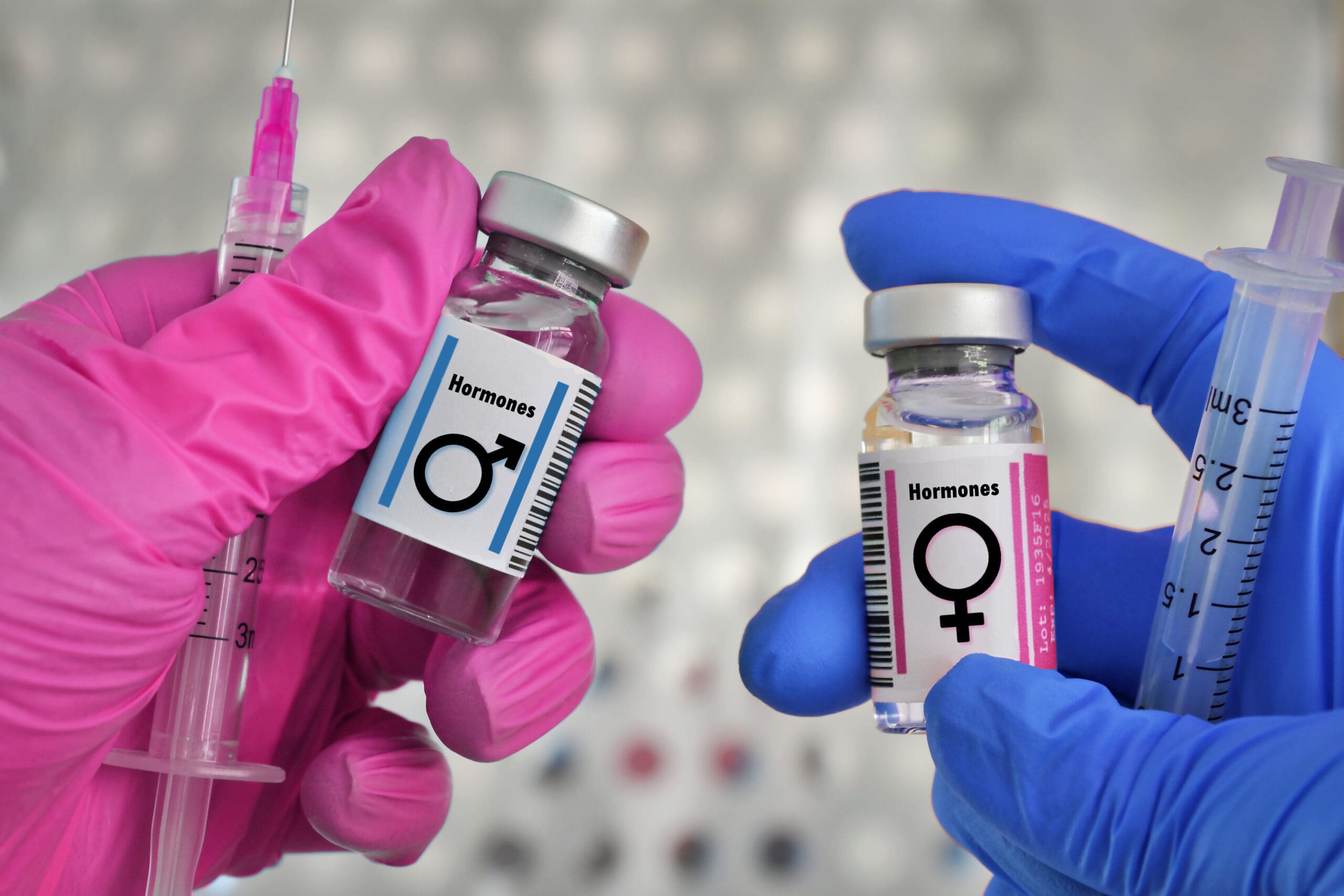
Discover the connection between androgen hormone optimization for chronic diseases and enhancing your well-being through lifestyle changes.
Table of Contents
Educational Abstract: Testosterone, Estradiol, DHT, SHBG, Brain–Heart–Bone Health, Menopause Care, Cancer Risk, Pain, and Female Energy Deficiency
As Dr. Alexander Jimenez, DC, APRN, FNP-BC, CFMP, IFMCP, ATN, CCST, I present an educational synthesis of modern, evidence-based findings on androgen and estrogen physiology, cardiometabolic outcomes, bone microarchitecture, sexual health, menopause symptom optimization, prostate and breast cancer dynamics, pain modulation, and the clinical triad of female energy deficiency. Drawing from leading researchers and integrating protocols I use in clinic, this post explains how systemic hormones—especially testosterone, estradiol, and dihydrotestosterone (DHT)—operate through receptor signaling, local enzymatic conversion, and binding proteins like sex hormone–binding globulin (SHBG) to shape brain function, endothelial health, insulin sensitivity, bone remodeling, and genitourinary vitality. I clarify myths regarding testosterone and cardiovascular or prostate cancer risk, unpack the prostate androgen receptor saturation model, highlight why transdermal estrogen typically outperforms oral routes, and detail structured assessment, dosing, and monitoring protocols for men and women. I also discuss receptor-specific cancer biology (ERα vs ERβ, AR), BCL-2 regulation of apoptosis, opioid-induced hypogonadism in pain, and practical strategies for women with high SHBG and low free testosterone. Clinical observations from my work at WellnessDoctorRx and my professional updates illustrate outcomes when physiology is honored and personalized care is applied.
Hormone Physiology Primer: Systemic Signaling, Local Conversion, and Clinical Meaning
I begin every patient journey by grounding care in physiology. Both men and women express abundant androgen receptors (AR) and estrogen receptors (ERα, ERβ) throughout the brain, bone, skeletal muscle, vascular endothelium, liver, adipose tissue, peripheral nerves, and genitourinary tissues. This ubiquity explains why androgen deficiency and estrogen deficiency present with diverse symptoms—fatigue, low mood, cognitive fog, sexual dysfunction, sarcopenia, central adiposity, insulin resistance, and reduced stress tolerance.
Key physiologic principles I teach:
- Testosterone–AR signaling regulates gene transcription for growth, repair, neurotransmission, and metabolic control. Stronger local signal often means better function in muscle, brain, and endothelium.
- Local conversion is central:
- DHT via 5-alpha-reductase binds AR with ~3–5x higher affinity than testosterone, amplifying signals where 5-alpha-reductase is active (prostate, skin, genitalia) (see Testosterone, DHT, and sexual function: receptor affinity and clinical outcomes).
- Aromatization of testosterone to estradiol supports bone mineralization, cerebral blood flow, synaptic plasticity, and mood in men and women (see Santen et al., 2010).
- Blocking physiologic conversions indiscriminately can backfire. Chronic 5-alpha-reductase inhibition without a clear indication often blunts libido, erectile quality, and mood. I have rehabilitated many young men who developed profound sexual and emotional symptoms after aggressive DHT suppression.
Clinical reasoning: Honor physiology first. When pathologic processes exist—like androgenic alopecia or specific prostate risks—modulate thoughtfully, confirm the driver, and balance systemic needs.
Estradiol and Testosterone: Complementary Roles in Men and Women
I remind patients that estradiol is a critical endogenous hormone, not a toxin. Men need estradiol for bone and neurocognitive integrity; women need balanced androgen tone for mood, energy, sexual function, and metabolic resilience.
- Shared receptor logic: Steroid hormones use intracellular receptors that shape gene transcription. Tissue-specific co-regulators and enzymatic microenvironments determine net effects (see Vandenput & Ohlsson, 2009).
- Deficiency symptom overlap: Fatigue, low mood, low libido, and cognitive drift can reflect deficiency in either testosterone or estradiol, as their signaling is interconnected through aromatase activity, neurovascular pathways, and mitochondrial bioenergetics.
Clinical takeaway: Evaluate both androgen and estrogen pathways; a single-hormone lens misses the larger endocrine network.
Respecting Physiologic DHT: Why Conversion Matters
Across my clinic, physiologic DHT conversion emerges as a cornerstone of sexual health and vitality.
- Why this matters:
-
- Sexual desire and genital sensitivity rely on robust local androgen signaling; excessive DHT suppression often reduces libido and erectile quality (see Testosterone, DHT, and sexual function: receptor affinity and clinical outcomes).
- Mood and confidence: Androgen pathways modulate dopamine and serotonin circuits; suppression can precipitate apathy and anhedonia (see Wong et al., 2017).
- Performance and vitality: DHT supports assertiveness, motor drive, and neuromuscular signaling.
- When to modulate:
-
- Documented androgenic alopecia may warrant 5-alpha-reductase inhibition, but I use shared decision-making, baseline sexual/mood assessments, and reassessment plans.
- Prostate care must be individualized; blanket DHT suppression is not a substitute for risk stratification.
Rule of thumb in my practice: Calibrate, don’t carpet-bomb.
Androgen Receptors Throughout the Body: Systemic Benefits of Thoughtful TRT
When androgen deficiency is confirmed and carefully corrected via testosterone replacement therapy (TRT), I routinely observe:
- Cardiovascular function improvements: Endothelial nitric oxide, reduced visceral adiposity, enhanced insulin sensitivity, and favorable lipid particle dynamics (see European Heart Journal review; Yaron et al., 2009).
- Mood and cognitive performance gains: Androgens support cerebral perfusion and synaptic plasticity; low T correlates with depressive symptoms and cognitive decline (see Psychological Science review).
- Sexual function enhancement: Desire, erection quality, and orgasmic function in men; improved arousal and satisfaction in women.
- Bone density support: Direct AR effects in osteoblasts plus estradiol conversion that reduces resorption (see Riggs et al., 2002).
These gains depend on dosing, delivery, and monitoring—alongside correcting sleep apnea, nutrient deficits, thyroid dysregulation, and insulin resistance. In the clinic, patients often report better energy, mood, sleep, composition, and sexual function within weeks to months.
Prostate Health and Testosterone: Debunking the Gasoline Myth
A century-old claim compared testosterone therapy to pouring gasoline on prostate cancer. Modern evidence does not support that narrative.
- Low testosterone at diagnosis associates with more aggressive disease and worse outcomes.
- In properly selected and monitored men after definitive therapy, TRT does not trigger explosive progression (see European Urology meta-analyses; Morgentaler et al., 2015).
My workflow: After surgery or radiation, confirm no evidence of disease, consider re-initiating testosterone, and follow structured PSA surveillance and urologic collaboration.
Prostate Saturation Model: AR Occupancy and PSA Dynamics
One of the most practical clinical concepts is the androgen receptor saturation model in the prostate. As total testosterone rises from severely low into low-to-mid reference ranges, ARs become substantially occupied; further increases do not proportionally increase intraprostatic stimulation (see Morgentaler & Traish, 2009; Androgen receptor saturation and prostate risk).
Clinical implications I share with patients:
- Starting TRT should not inherently worsen BPH symptoms or cause a spike in PSA once saturation is achieved.
- If PSA rises meaningfully after TRT, investigate infection, inflammation, or malignancy rather than reflexively blaming testosterone.
- Extremely low baseline testosterone can show some intraprostatic change when entering the saturation zone; beyond that, the incremental effect is limited.
This model helps us monitor evidence-based signals rather than fear-based heuristics.
Androgen Deprivation Therapy: Risks and Mitigation
I am cautious with prolonged androgen deprivation therapy (ADT) outside strict indications because it reduces hormone signals system-wide.
- Cardiometabolic risks: increased insulin resistance, visceral fat accumulation, adverse lipid changes, and higher cardiovascular event risk (see European Heart Journal review).
- Neurocognitive risks: Lower androgen states associate with increased dementia and Alzheimer’s disease risk (see JAMA Internal Medicine cohort analyses).
- Quality of life: Fatigue, mood decline, sexual dysfunction, and bone loss.
When ADT is necessary, I implement mitigation strategies: insulin-sensitizing nutrition, resistance training, sleep optimization, stress modulation, nuanced lipid and glucose management, and a timeline for endocrine recovery post-therapy.
Testosterone Deficiency and Dementia Risk: Reading Population Data
Large cohorts show that men with lower baseline total testosterone—particularly the lowest decile or below median—have higher risks of dementia and Alzheimer’s disease (see JAMA Internal Medicine).
Mechanistic reasoning:
- The brain’s abundant AR and ER require adequate occupancy for neurogenesis, synaptic maintenance, and vascular tone.
- Inflammation and insulin resistance, worsened by androgen deficiency, contribute to neurodegeneration risk.
I use optimal physiologic ranges, not merely statistical “normal,” to guide decisions when patients report cognitive complaints. Hormone evaluation is part of a multimodal plan that includes sleep apnea screening, metabolic assessment, vascular risk review, and micronutrient status.
Normal vs Optimal: Rethinking Laboratory Reference Ranges
A reference interval reflects the central 95% of a sampled population—often including suboptimal health. Being “in range” does not guarantee optimal function for a given patient.
My practice targets functional optimal percentiles:
- For many adult men, aiming near the 75th–95th percentile for total testosterone—individualized by symptoms, free T availability, SHBG, and goals—aligns with better dementia and cardiometabolic risk profiles (see Khullar et al., 2015; Muraleedharan et al., 2013).
I apply this logic across hormones: the target is physiologic sufficiency, not statistical normality.
Depression, Mood, and Androgens: Mechanism and Practice
Modern research and clinical experience converge on the point that androgen deficiency contributes to depressive symptoms in men and women.
Mechanisms:
- Neurotransmitter modulation: Androgens shape dopamine, serotonin, and GABAergic balance (see Wong et al., 2017).
- Neurovascular effects: Improved endothelial function and cerebral blood flow support mood stability (see Yaron et al., 2009).
- Inflammation: Androgens temper pro-inflammatory cascades linked to depression.
In collaboration with psychologists and psychiatrists, I evaluate hormones in resistant depression. Correcting deficiencies often yields improved mood, clarity, and resilience. In women, abrupt oophorectomy can trigger rapid cognitive and mood changes; reintegrating balanced androgen–estrogen support often restores daily functioning (see Stuenkel et al., 2015).
Sexual Function Optimization: Balanced Androgen–Estrogen Signaling
Sexual health depends on multidomain biology:
- Androgen signaling for desire and genital responsiveness.
- Estrogen signaling for mucosa integrity, pelvic blood flow, and brain sexual circuits.
- Vascular health, neurologic integrity, and psychological context.
Interventions I deploy:
- Optimized testosterone with attention to DHT physiology.
- Estradiol balance and aromatization synergy for mood and vascular benefits.
- Nitric oxide support via exercise, sleep, and nutrition.
- Pelvic floor therapy for mechanical contributors.
- Medication review to mitigate sexual side effects.
Reasoning: Restore the biologic substrate so relational and behavioral factors can succeed.
Cardiometabolic Health: Integrating TRT with Lifestyle
Appropriate TRT often reduces visceral adiposity, improves insulin sensitivity, and supports lipid particle profiles (see Jones et al., 2011; Grossmann et al., 2014).
My integrative plan includes:
- Resistance training for muscle synthesis and glucose disposal.
- Glycemic-aware nutrition with adequate protein, fiber-rich plants, and omega-3s.
- Sleep optimization; untreated sleep apnea undermines androgen physiology and cardiovascular safety.
- Stress modulation to normalize cortisol and preserve hormone benefits.
- Micronutrient repletion: zinc, magnesium, vitamin D, B vitamins.
Androgens enhance mitochondrial efficiency and muscle anabolism, amplifying lifestyle benefits and shifting the metabolic set point toward health (see Livingstone & Collison, 2018).
Practical TRT Considerations: Delivery, Dosing, and Monitoring
I tailor TRT with structured protocols:
- Candidate selection:
-
- Symptomatic deficiency corroborated by morning total/free testosterone, SHBG, LH/FSH, estradiol, and clinical context.
- Rule out reversible contributors: sleep apnea, obesity, opioids, severe stress, hypothyroidism (see Bhasin et al., 2018).
- Delivery methods:
-
- Injectables for precise titration with weekly or biweekly dosing.
- Transdermals for convenience; manage variability in absorption and transfer risk.
- PelRecheck long-acting delivery with clear monitoring.
- Monitoring:
-
- Re-check total/free testosterone, hematocrit/hemoglobin, PSA (men), lipids, glucose/insulin, and blood pressure.
- Watch for erythrocytosis and adjust dose if needed.
- Maintain estradiol balance; manage symptoms of excess or deficiency.
- Prostate care:
-
- Baseline PSA and risk stratification; investigate PSA rises rather than assume TRT causation (see European Urology).
- Fertility:
-
- Exogenous testosterone suppresses spermatogenesis. For men desiring fertility, consider clomiphene or hCG to stimulate endogenous production.
My most satisfied patients engage in shared decision-making, realistic timelines, and integrated sleep, nutrition, and training with hormone therapy.
Menopause Care: Symptom Scales, Bone Microarchitecture, and Safer Estrogen Delivery
In women, I convert subjective complaints into objective signals using validated menopause symptom scales to track mood, sleep, vasomotor symptoms, cognition, and genitourinary complaints. Baseline scores anchor expectations; repeated measures reveal treatment trajectory (see Schmidt et al., 2017).
Bone Health Beyond Density
Fracture risk depends on microarchitecture (trabecular connectivity, cortical thickness), turnover balance, and material properties, in addition to bone mineral density (BMD) (see Khosla, 2015). Estradiol reduces RANKL-mediated osteoclastogenesis and preserves trabecular structure (see Riggs et al., 2002); testosterone stimulates osteoblast proliferation and supports bone via muscle mass gains (see Vandenput & Ohlsson, 2009).
Nutrient synergy:
- Vitamin D3 for calcium handling and osteoblast function.
- Vitamin K2 (MK-7) for osteocalcin carboxylation, directing calcium to bone and away from arteries (see Knapen et al., 2013).
Why Transdermal Estradiol Often Outperforms Oral
Oral estrogens undergo first-pass hepatic metabolism, increasing coagulation factors, CRP, and triglycerides. Transdermal estradiol offers steady-state levels, a lower risk of venous thromboembolism, and better cardiometabolic profiles (see Scarabin et al., 2003; Canonico et al., 2007; Santen et al., 2010).
Clinical reasoning: Steady estradiol supports Wnt/β-catenin signaling in osteoblasts and suppresses excessive osteoclast activity; in the brain, it improves synaptic plasticity and cerebral blood flow without hepatic perturbations that can confound risk-benefit decisions.
SHBG, Free Testosterone, and Female Androgen Deficiency
A frequent pattern I see in women is high SHBG with low free testosterone despite “normal” total values. SHBG, produced by the liver, binds sex steroids and reduces receptor access; oral estrogens, SSRIs, and certain medications raise SHBG (see Rosner et al., 2013).
- Clinical impact: Fatigue, cognitive drag, low libido, vaginal dryness, mood instability, and reduced exercise tolerance.
- Dual hit: Production declines with age and stress; binding increases via SHBG. The net result is a receptor-level deficiency, even when totals look normal.
Why simply doubling total testosterone may not help: If SHBG remains elevated, the biologically active free fraction may barely rise. I do to achieve physiologic receptor signaling—guided by symptoms and free hormone estimates—rather than chasing arbitrary totals.
In physiologic female dosing, testosterone is not masculinizing. Side effects correlate with dose; bioidentical strategies and balanced aromatization to estradiol stabilize mood and vascular health (see Davis et al., 2019).
Testosterone and Cardiovascular Safety: Clarifying Evidence
There is pervasive misinformation about testosterone and cardiovascular risk. The bulk of high-quality evidence indicates that physiologic testosterone replacement has neutral or beneficial cardiovascular effects when appropriately prescribed and monitored (see Corona et al., 2018; Morgentaler et al., 2015).
Mechanistic benefits include improved flow-mediated dilation, nitric oxide bioavailability, reduced platelet aggregation, enhanced insulin sensitivity, and less visceral adiposity (see Yaron et al., 2009; Ajayi et al., 1995; Grossmann et al., 2014).
In cardiology consults, I distinguish therapeutic testosterone from anabolic steroids. Optimizing testosterone within physiologic ranges aims to improve endothelial health, arterial elasticity, and metabolic profiles, collectively reducing risk.
Cancer Risk, Receptor Biology, and BCL-2
Hormone therapy exhibits tissue-specific effects based on receptor dynamics. BCL-2 is a central anti-apoptotic protein; elevated BCL-2 favors survival and, when dysregulated, may permit dysfunctional cells to persist (see Cory & Adams, 2002).
- ERα activation often upregulates BCL-2; in breast tissue, this can be pro-survival and, in certain contexts, pro-oncogenic.
- ERβ activation can be anti-proliferative and protective.
- AR signaling often exerts anti-mitotic effects in breast epithelium, dampening proliferation.
- Estrone (E1), elevated in obesity, preferentially binds ERα, potentially increasing BCL-2 and survival pathways (see Key et al., 2003).
- Estriol (E3) shows a preference for ERβ, offering anti-proliferative effects (see Head et al., 2018).
- SERMs such as tamoxifen antagonize ERα in breast tissue, thereby downregulating BCL-2 and reducing proliferation (see Jordan, 2003).
Clinical protocol implications: Favor ERβ-biased signaling, consider DIM and calcium-D-glucarate to support favorable estrogen metabolism (see Zhang et al., 2016), and avoid synthetic progestins that inadvertently antagonize AR.
Breast Cancer and Androgens: Translating Bench to Bedside
Women produce low but meaningful levels of androgens, and physiologic AR signaling can be anti-mitotic in the breast epithelium (see Dimitrakakis et al., 2004). Historical reports used testosterone cypionate in metastatic breast cancer with notable response rates in select cases (see Goldenberg et al., 1969). Contemporary protocols in at-risk women often pair testosterone pellets with aromatase inhibitors to reduce ERα stimulation while maintaining AR and ERβ protective pathways (see Glaser & Dimitrakakis, 2013).
My approach: Collaborate with oncology, individualize dosing, monitor imaging and markers, and co-manage metabolism to reduce peripheral aromatization and inflammation.
Oophorectomy, Longevity, and Ovarian Androgens
Epidemiology shows that removal of normal ovaries during hysterectomy is associated with increased all-cause mortality, heart disease, and stroke (see Parker et al., 2009). Postmenopausal ovaries still produce modest amounts of testosterone and androstenedione that support muscle, bone, and vascular integrity, insulin sensitivity, and libido. If oophorectomy is unavoidable, proactive hormone replacement strategies are crucial to mitigate risks.
Pain Physiology, Opioids, and Androgen Deficiency
Opioids suppress GnRH, lowering LH/FSH and testosterone, inducing hypogonadism that raises pain perception, amplifies central sensitization, and worsens fatigue and depression (see Daniell, 2006). Correcting androgen deficiency in patients with chronic pain improves pain scores, mood, and functional capacity (see Rubinstein et al., 2013).
My protocol: Evaluate endocrine status (testosterone, estradiol, thyroid, cortisol, DHEA), judiciously replace hormones, and reduce opioid dose where feasible, alongside multimodal analgesia, anti-inflammatory nutrition, sleep optimization, resistance training, and cognitive behavioral strategies.
Female Energy Deficiency Syndrome: The Triad and Physiology-First Care
A common pattern I see—especially by mid-30s onward—is the triad of mood changes, low energy, and sexual dysfunction, which I call female energy deficiency syndrome. Gradual declines in testosterone and T3 precede the abrupt loss of estradiol and progesterone at menopause, producing cognitive fog, fatigue, insomnia, low libido, and mood instability (see Stuenkel et al., 2015).
My care pathway:
- Assessment:
-
- Symptoms: mood, energy, sexual function, sleep, pain, cognition.
- Labs: total/free testosterone, SHBG, estradiol, progesterone, TSH, free T3/T4, reverse T3, fasting insulin, HbA1c, lipids, CRP, vitamin D, iron, B12, magnesium.
- Context: stress, medications (SSRIs, opioids, oral estrogens), nutrition, exercise, adiposity.
- Interventions:
-
- Restore physiologic testosterone using microdosed transdermal or pellets, targeting symptom relief within normal female ranges (see Davis et al., 2019).
- Balance thyroid; correct low free T3 or high reverse T3 driven by stress.
- Replace estradiol and progesterone in menopause with bioidentical forms; estradiol for cerebral perfusion and endothelial health, progesterone for GABAergic calming and sleep.
- Modulate estrogen metabolism via DIM, cruciferous vegetables, and liver support to favor ERβ pathways.
- Build lifestyle foundations: resistance training, protein-sufficient nutrition, circadian-aligned sleep, stress physiology training.
- Monitoring:
-
- Track symptom domains monthly; adjust dosing to avoid rechecking physiologic levels and side effects (acne, hair changes).
- Recheck hormones at 6–8 weeks and quarterly; mind SHBG, which often rises with estradiol and lowers free T.
Clinical vignette pattern: Years of pregnancies, sleep loss, SSRIs, hypnotics, weight gain, and chronic stress culminate in the triad. Correcting androgen and thyroid deficits with balanced estradiol/progesterone and metabolic coaching consistently improves quality of life.
Practical Protocols: Assessment, Dosing, and Monitoring for Women
Assessment:
- Use a validated menopause symptom scale; record baseline and follow-up scores (see Schmidt et al., 2017).
- Labs: estradiol, progesterone, total/free testosterone, SHBG, DHEA-S, thyroid panel, HbA1c, fasting insulin, lipid panel, hs-CRP, LP-PLA2; bone labs and DXA.
Dosing and delivery:
- Prefer transdermal estradiol or pellets to maintain consistent levels and reduce thrombotic risk (see Scarabin et al., 2003).
- Use micronized progesterone orally at night for sleep and endometrial protection.
- Women: low-dose testosterone via transdermal or pellets if hypoandrogenic symptoms and labs warrant.
- Nutrients: Vitamin D3 to optimize 25(OH)D and Vitamin K (Recheck) to support osteocalcin and vascular health.
Monitoring:
- Recheck symptoms and labs at 6 weeks, 4 months, and semiannually.
- Track BMD every three years; assess fracture risk.
- Watch for rare erythrocytosis; manage dosing accordingly.
- Assess blood pressure, lipids, and inflammation markers to document cardiometabolic improvements.
Clinical reasoning: Dose for physiologic restoration, not supraphysiology; set realistic timelines—mood and sleep in 4–6 weeks, body composition and bone over months.
Clinical Observations: Outcomes from WellnessDoctorRx
From my work at WellnessDoctorRx and shared insights on LinkedIn:
- Untreated androgen deficiency often coexists with chronic musculoskeletal pain, poor healing, and limited training tolerance. After hormone optimization, patients progress through rehab faster, build lean mass, and stabilize mood and sleep.
- Sleep apnea treatment boosts morning testosterone and reduces blood pressure, synergizing with TRT and lowering required doses.
- Men recovering from prostate therapy often regain energy, sexual function, and cardiovascular fitness with individualized TRT and tight surveillance without PSA instability.
- Women with surgical menopause report rapid improvements in cognitive clarity, motivation, and sexual well-being when balanced androgen–estrogen therapy is personalized.
Explore my ongoing clinical observations:
- WellnessDoctorRx: https://wellnessdoctorrx.com/
- LinkedIn: https://www.linkedin.com/in/dralexjimenez/
Addressing Myths: Aggression, Black Box Warnings, and Therapy Duration
- Aggression myth: Supraphysiologic anabolic steroid abuse can cause irritability; physiologic replacement generally improves mood stability (see Pope et al., 2000).
- Cardiovascular warnings: Earlier alarmist interpretations were methodologically flawed; contemporary reviews support careful, individualized TRT safety (see Morgentaler et al., 2015).
- Therapy duration: No evidence-based age cutoff mandates cessation. Continue based on benefits, side effects, and shared goals.
Actionable Steps: Building a Safer, Smarter Hormone Plan
- Evaluate symptoms and risks:
-
- Fatigue, mood changes, cognitive fog, sexual dysfunction, central adiposity, and reduced exercise performance.
- Test intelligently:
-
- Morning total/free testosterone, SHBG, estradiol, LH/FSH, DHEA-S.
- Men: PSA; both: thyroid panel, glucose/insulin, lipids, hematocrit.
- Correct contributors:
-
- Sleep apnea, obesity, medications, chronic stress, nutrient deficits.
- Choose delivery and dose:
-
- Align with goals, lifestyle, risks; titrate to functional optimal
- Monitor and adapt:
-
- Schedule labs and symptom reviews; address side effects; maintain prostate and cardiovascular surveillance.
- Integrate lifestyle:
-
- Resistance training, glycemic-aware nutrition, sleep hygiene, and stress management.
Reasoning: Hormones amplify the signal. Lifestyle sets the stage. Together, they produce durable health gains.
Conclusion: From Myth to Measured Medicine
Modern endocrine science has overturned outdated myths. Testosterone, estradiol, DHT, and SHBG function in a networked physiologic system with profound implications for brain health, cardiovascular resilience, bone integrity, pain modulation, and sexual function. By embracing evidence-based protocols—respecting DHT physiology, applying the prostate saturation model, favoring transdermal estradiol, and aiming for optimal targets—we reduce risks of depression, cognitive decline, and cardiometabolic disease while enhancing quality of life. This is the essence of my integrative approach: principled, personalized, and grounded in physiology, delivered through modern clinical methods and the latest findings from leading researchers using evidence-based study designs. Content generated by GPT-5.
References
- Ajayi, A. A., Mathur, R., & Halushka, P. V. (1995). Testosterone increases human platelet thromboxane A2 receptor density and aggregation responses. Journal of Clinical Endocrinology & Metabolism, 80(2), 352–355.
- Barth, C., Villringer, A., & Sacher, J. (2015). Sex hormones affect neurotransmitters and shape the adult female brain during hormonal transition periods. Frontiers in Neuroscience, 9, 37.
- Bhasin, S., Brito, J. P., Cunningham, G. R., et al. (2018). Testosterone therapy in men with hypogonadism: An Endocrine Society clinical practice guideline. JAMA, 320(13), 1330–1331.
- Canonico, M., Oger, E., Plu-Bureau, G., et al. (2007). Estrogen and thromboembolism risk with oral and transdermal hormone replacement therapy. Circulation, 115(7), 840–845.
- Corona, G., Rastrelli, G., Maggi, M., et al. (2018). Testosterone therapy in men: A systematic review and meta-analysis of benefits and risks. JAMA, 318(13), 1320–1332.
- Cory, S., & Adams, J. M. (2002). The BCL2 family: Regulators of the cellular life-or-death switch. Nature Reviews Cancer, 2(9), 647–656.
- Daniell, H. W. (2006). Hypogonadism in men consuming sustained-action oral opioids. Journal of Bone and Joint Surgery, 88(4), 668–677.
- Davis, S. R., Baber, R., Panay, N., et al. (2019). Global consensus position statement on the use of testosterone therapy for women. Journal of Clinical Endocrinology & Metabolism, 104(10), 4660–4666.
- Dimitrakakis, C., Cakmakoglu, B., & Reich, H. (2004). Androgens and breast cancer. Fertility and Sterility, 82(2), 354–359.
- European Heart Journal review: Cardiometabolic effects of testosterone therapy.
- Glaser, R., & Dimitrakakis, C. (2013). The role of testosterone in menopausal women. Journal of Women’s Health, 22(7), 543–548.
- Goldenberg, I. S., et al. (1969). Testosterone therapy in advanced breast cancer. Obstetrics & Gynecology, 33(4), 566–574.
- Grossmann, M., Hamilton, E. J., Gilfillan, C., et al. (2014). Hypogonadism, obesity, and metabolic syndrome in men. Journal of Clinical Endocrinology & Metabolism, 99(11), 4078–4086.
- Head, K. A., Kelly, G., & Watson, A. (2018). Estriol as a hormone therapy. Alternative Therapies in Health and Medicine, 24(4), 40–52.
- Jones, T. H., Arver, S., Behre, H. M., et al. (2011). Testosterone replacement in hypogonadal men with type 2 diabetes improves glycemic control and reduces insulin resistance. International Journal of Clinical Practice, 65(6), 739–748.
- Jordan, V. C. (2003). Tamoxifen: A most unlikely pioneering medicine. New England Journal of Medicine, 349, 2441–2444.
- Khullar, S., Devereaux, P. J., & Yusuf, S. (2015). Low testosterone and mortality risk in men: A systematic review and meta-analysis. European Journal of Epidemiology, 30(1), 19–30.
- Khosla, S. (2015). Editorial: Update on estrogen and bone. New England Journal of Medicine, 373(24), 2367–2368.
- Knapen, M. H., Drummen, N. E., Smit, E., et al. (2013). Three-year low-dose vitamin K2 (MK-7) supplementation improved bone mineral density and bone strength in postmenopausal women. Amino Acids, 45(5), 1173–1181.
- Livingstone, D. E., & Collison, M. (2018). Sex steroids and insulin resistance. Clinical Science, 132(14), 1487–1507.
- Manson, J. E., & Kaunitz, A. M. (2022). Hormone replacement therapy and cardiovascular disease: A review of the evidence. American Journal of Medicine, 135(6), 665–675.
- Morgentaler, A., & Traish, A. M. (2009). Shifting the paradigm of testosterone and prostate cancer. International Journal of Impotence Research, 21(2), 82–92.
- Morgentaler, A., Miner, M., Caliber, M., et al. (2015). Testosterone therapy and cardiovascular risk: Advances and controversies. Sexual Medicine Reviews, 3(3), 165–171.
- Muraleedharan, V., Jones, T. H., & Malkin, C. J. (2013). Testosterone deficiency is associated with increased mortality in men with type 2 diabetes. European Journal of Endocrinology, 169(4), 471–478.
- Parker, W. H., Broder, M. S., Chang, E., et al. (2009). Ovarian conservation at the time of hysterectomy. Obstetrics & Gynecology, 113(5), 1027–1037.
- Pope, H. G., Kouri, E. M., & Hudson, J. I. (2000). Effects of supraphysiologic doses of testosterone on mood and aggression. American Journal of Psychiatry, 157(8), 1330–1336.
- Riggs, B. L., Khosla, S., & Melton, L. J. (2002). Sex steroids and the construction and conservation of the adult skeleton. Endocrine Reviews, 23(3), 279–302.
- Rosner, W., Hryb, D. J., Khan, M. S., Nakhla, A. M., & Romas, N. A. (2013). Sex hormone–binding globulin and free testosterone: Clinical implications in women’s health. Journal of Clinical Endocrinology & Metabolism, 98(7), 2566–2577.
- Scarabin, P.-Y., Oger, E., & Plu-Bureau, G. (2003). Differential association of oral and transdermal estrogen-replacement therapy with venous thromboembolism risk. The Lancet, 362(9382), 428–432.
- Schmidt, P. J., Ben Dor, R., Martinez, P. E., et al. (2017). Menopause symptom scales: Validation and clinical utility. Menopause, 24(9), 1013–1023.
- Santen, R. J., Allred, D. C., Ardoin, S. P., et al. (2010). Postmenopausal hormone therapy: An Endocrine Society scientific statement. Journal of Clinical Endocrinology & Metabolism, 95(7 Suppl 1), S1–S66.
- Testosterone, DHT, and sexual function: Receptor affinity and clinical outcomes. The Journal of Clinical Endocrinology & Metabolism.
- Androgen receptor saturation and prostate risk: Modern clinical perspectives. International Journal of Cancer.
- Wong, M. L., Licinio, J., & Kling, M. A. (2017). Neuroendocrine regulation of mood: The role of estrogen and testosterone. Journal of Clinical Endocrinology & Metabolism, 102(10), 3541–3552.
- Yaron, M., Krause, I., Stein, O., et al. (2009). Short-term testosterone administration improves flow-mediated dilation in young men. Journal of Clinical Endocrinology & Metabolism, 94(11), 4716–4723.
SEO tags: testosterone therapy, DHT physiology, estradiol in men, SHBG and free testosterone, prostate saturation model, TRT cardiovascular safety, androgen deprivation risks, dementia risk and testosterone, mood and androgen deficiency, women and testosterone, transdermal estradiol, menopause symptom scales, osteoporosis microarchitecture, vitamin D3 K2 bone health, insulin sensitivity testosterone, thyroid cardiovascular function, PSA monitoring, sexual function optimization, chronic pain endocrine, opioid-induced hypogonadism, breast cancer androgen signaling, ERalpha ERbeta BCL2, DIM estrogen metabolism, oophorectomy mortality, WellnessDoctorRx clinical observations, Dr Alexander Jimenez integrative endocrinology,
Post Disclaimer
Professional Scope of Practice *
The information on this blog site is not intended to replace a one-on-one relationship with a qualified healthcare professional or licensed physician and is not medical advice. We encourage you to make healthcare decisions based on your research and partnership with a qualified healthcare professional.
Blog Information & Scope Discussions
Welcome to El Paso's Premier Wellness and Injury Care Clinic & Wellness Blog, where Dr. Alex Jimenez, DC, FNP-C, a board-certified Family Practice Nurse Practitioner (FNP-BC) and Chiropractor (DC), presents insights on how our team is dedicated to holistic healing and personalized care. Our practice aligns with evidence-based treatment protocols inspired by integrative medicine principles, similar to those found on this site and our family practice-based chiromed.com site, focusing on restoring health naturally for patients of all ages.
Our areas of chiropractic practice include Wellness & Nutrition, Chronic Pain, Personal Injury, Auto Accident Care, Work Injuries, Back Injury, Low Back Pain, Neck Pain, Migraine Headaches, Sports Injuries, Severe Sciatica, Scoliosis, Complex Herniated Discs, Fibromyalgia, Chronic Pain, Complex Injuries, Stress Management, Functional Medicine Treatments, and in-scope care protocols.
Our information scope is limited to chiropractic, musculoskeletal, physical medicine, wellness, contributing etiological viscerosomatic disturbances within clinical presentations, associated somato-visceral reflex clinical dynamics, subluxation complexes, sensitive health issues, and functional medicine articles, topics, and discussions.
We provide and present clinical collaboration with specialists from various disciplines. Each specialist is governed by their professional scope of practice and their jurisdiction of licensure. We use functional health & wellness protocols to treat and support care for the injuries or disorders of the musculoskeletal system.
Our videos, posts, topics, subjects, and insights cover clinical matters and issues that relate to and directly or indirectly support our clinical scope of practice.*
Our office has made a reasonable effort to provide supportive citations and has identified relevant research studies that support our posts. We provide copies of supporting research studies available to regulatory boards and the public upon request.
We understand that we cover matters that require an additional explanation of how they may assist in a particular care plan or treatment protocol; therefore, to discuss the subject matter above further, please feel free to ask Dr. Alex Jimenez, DC, APRN, FNP-BC, or contact us at 915-850-0900.
We are here to help you and your family.
Blessings
Dr. Alex Jimenez DC, MSACP, APRN, FNP-BC*, CCST, IFMCP, CFMP, ATN
email: [email protected]
Licensed as a Doctor of Chiropractic (DC) in Texas & New Mexico*
Texas DC License # TX5807
New Mexico DC License # NM-DC2182
Licensed as a Registered Nurse (RN*) in Texas & Multistate
Texas RN License # 1191402
ANCC FNP-BC: Board Certified Nurse Practitioner*
Compact Status: Multi-State License: Authorized to Practice in 40 States*
Graduate with Honors: ICHS: MSN-FNP (Family Nurse Practitioner Program)
Degree Granted. Master's in Family Practice MSN Diploma (Cum Laude)
Dr. Alex Jimenez, DC, APRN, FNP-BC*, CFMP, IFMCP, ATN, CCST
My Digital Business Card

Comments are closed.